The Truth About Modern Vehicle Maintenance: Separating Myth from Reality
In the world of car care, there's a persistent myth floating around:
modern vehicles are maintenance-free.
There are even manufacturers advertising their vehicles as “maintenance free”. While there's some truth to this notion in certain areas, the reality is far more nuanced.
Let's delve into this myth and separate fact from fiction.
On one hand, it's true that some cars no longer require chassis lubrication thanks to self-lubricating materials and sealed joints. This might seem like a win for the maintenance-free camp. However, the advent of sophisticated variable valve timing systems introduces new vulnerabilities. Components in the valve train are susceptible to oil sludge buildup, emphasizing the importance of regular oil changes.
Electronic ignition systems have indeed eliminated the need for replacing points, supporting the maintenance-free narrative. Yet, the emergence of direct injection engines brings expensive fuel injectors into the picture, necessitating timely fuel system cleanings.
As automotive technology evolves, it streamlines or eliminates certain maintenance tasks while heightening the importance of others. While the checklist may evolve, the maintenance mindset remains crucial for preserving the longevity of our vehicles.
Two critical modern maintenance items deserve special attention. First, timing belt replacement has become essential as many engines now use belts instead of chains. Neglecting this maintenance task could lead to costly damage if the belt snaps. Secondly, sealed wheel bearing assemblies, while cost-effective to manufacture, pose a significant expense when they fail, as the entire unit must be replaced.
Understanding and adhering to your vehicle's maintenance schedule is paramount. Whether it's timing belt replacement or monitoring sealed wheel bearings, staying proactive can save you from hefty repair bills down the road. Visit us at David's Automotive Repair for expert advice and maintenance services to keep your vehicle running smoothly.
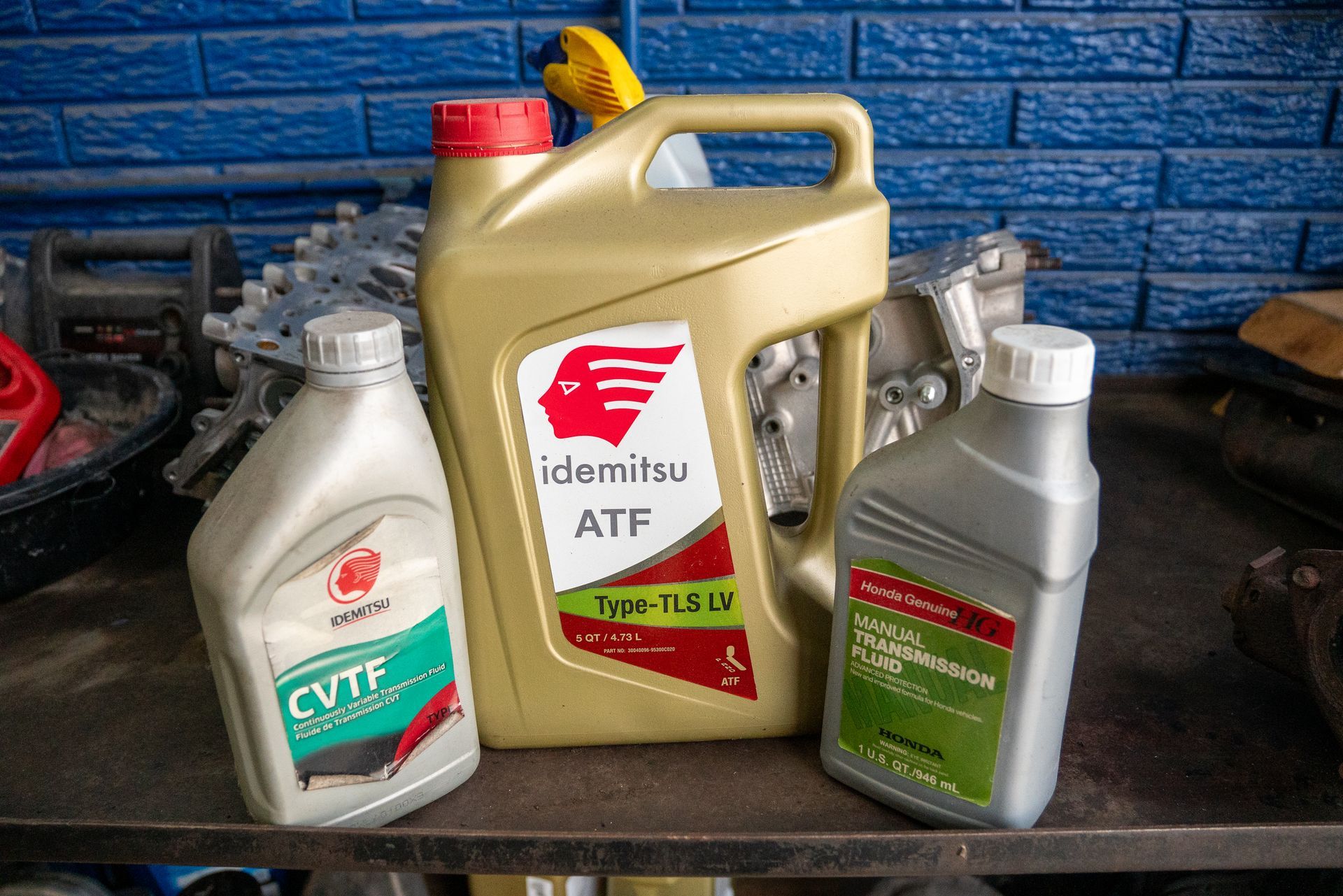
Dark transmission fluid or a burnt smell can be a sign of heat, age, or wear inside the transmission. But color alone cannot tell you whether a transmission is failing.
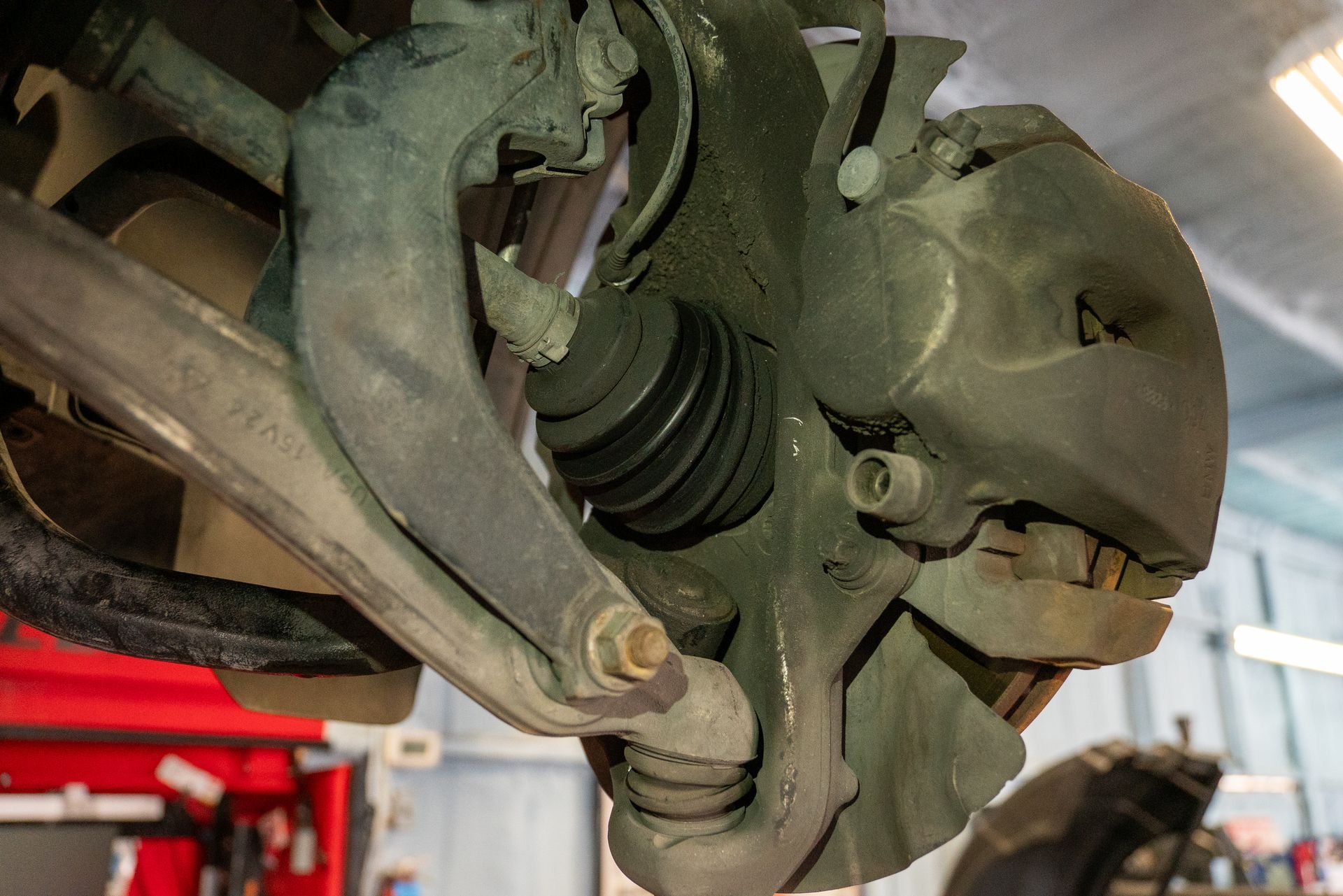
A humming or roaring noise that gets louder as your car speeds up may come from a wheel bearing, uneven tire wear, or another rotating part.
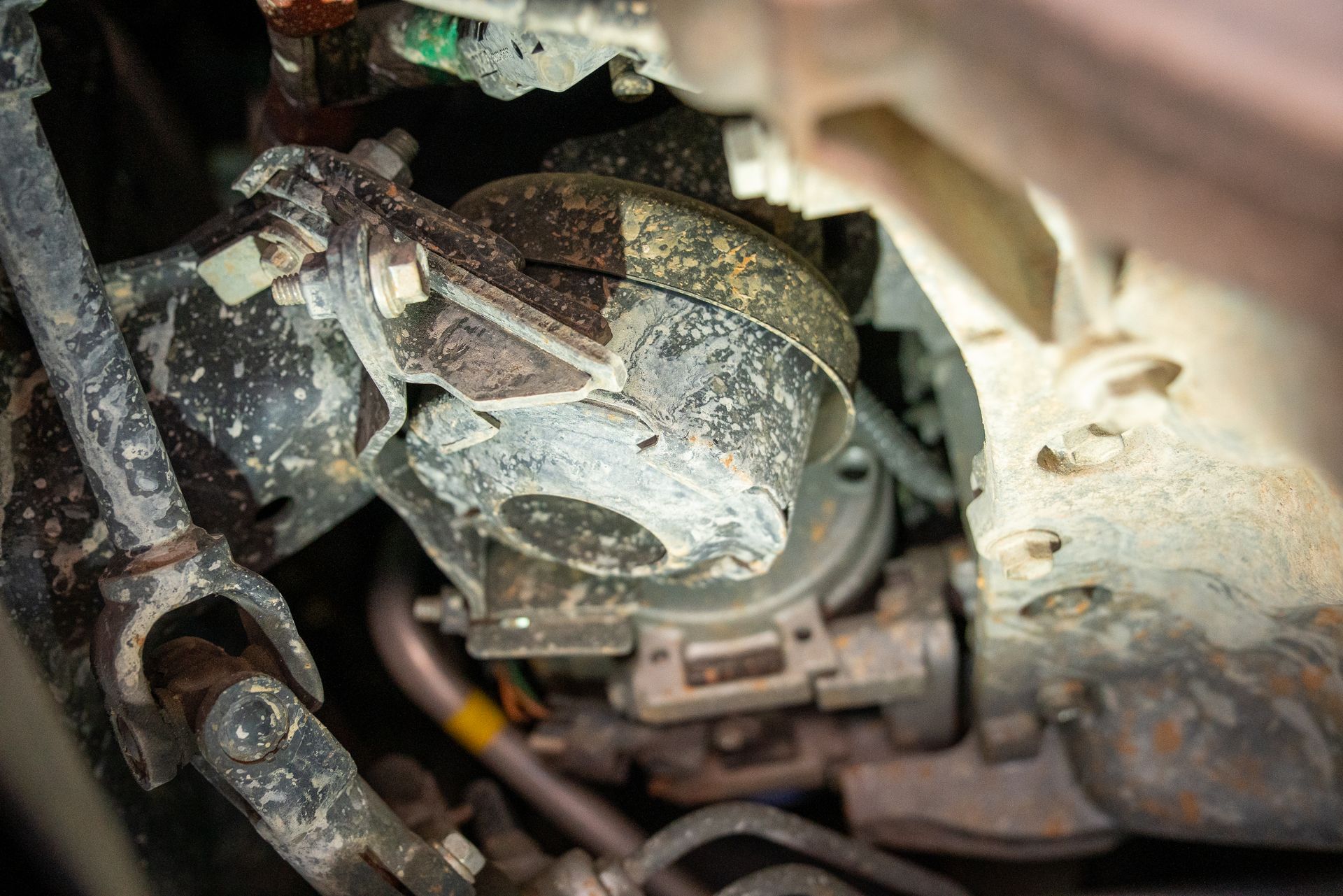
If your car shakes when you press the gas pedal, the cause may be in the engine, axle, driveshaft, or other drivetrain parts.
Need expert brake repairs in The Colony, TX? David's Automotive Repair offers top-notch automotive services. Schedule an online appointment now!
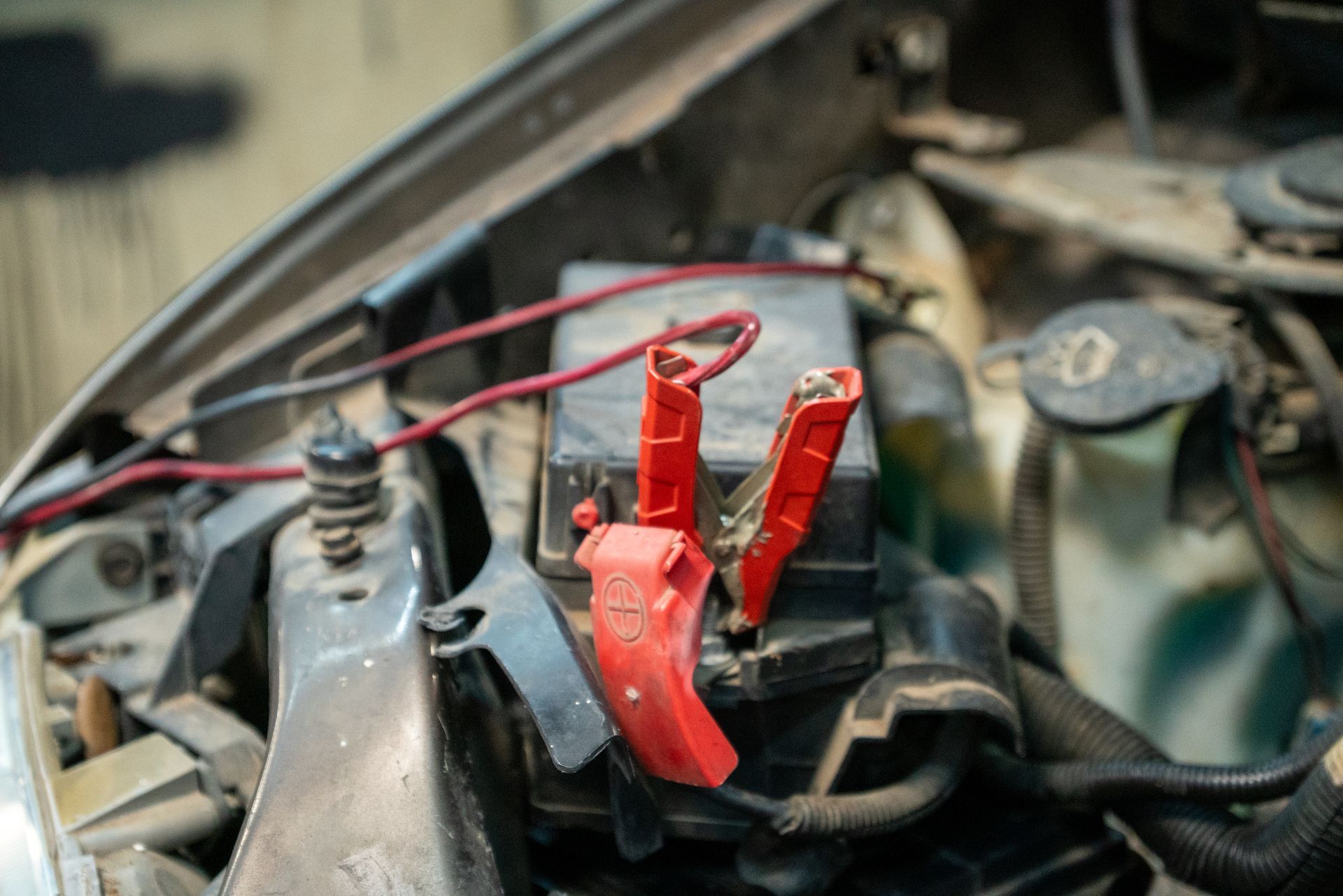
A weak battery and a failing alternator can both leave your car unable to start, but they do different jobs.
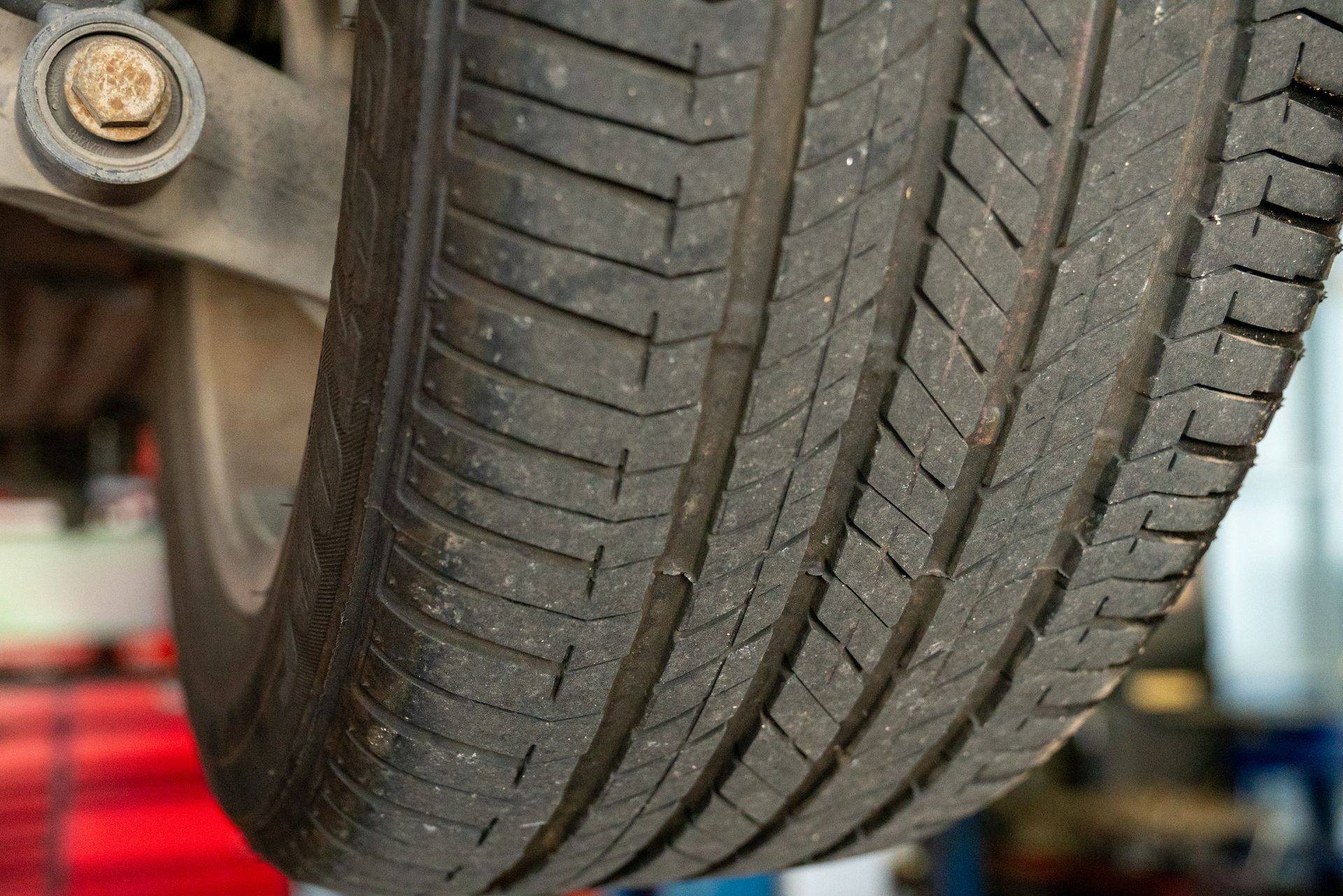
Tire pressure drops when outside air gets colder because the air inside the tire contracts.
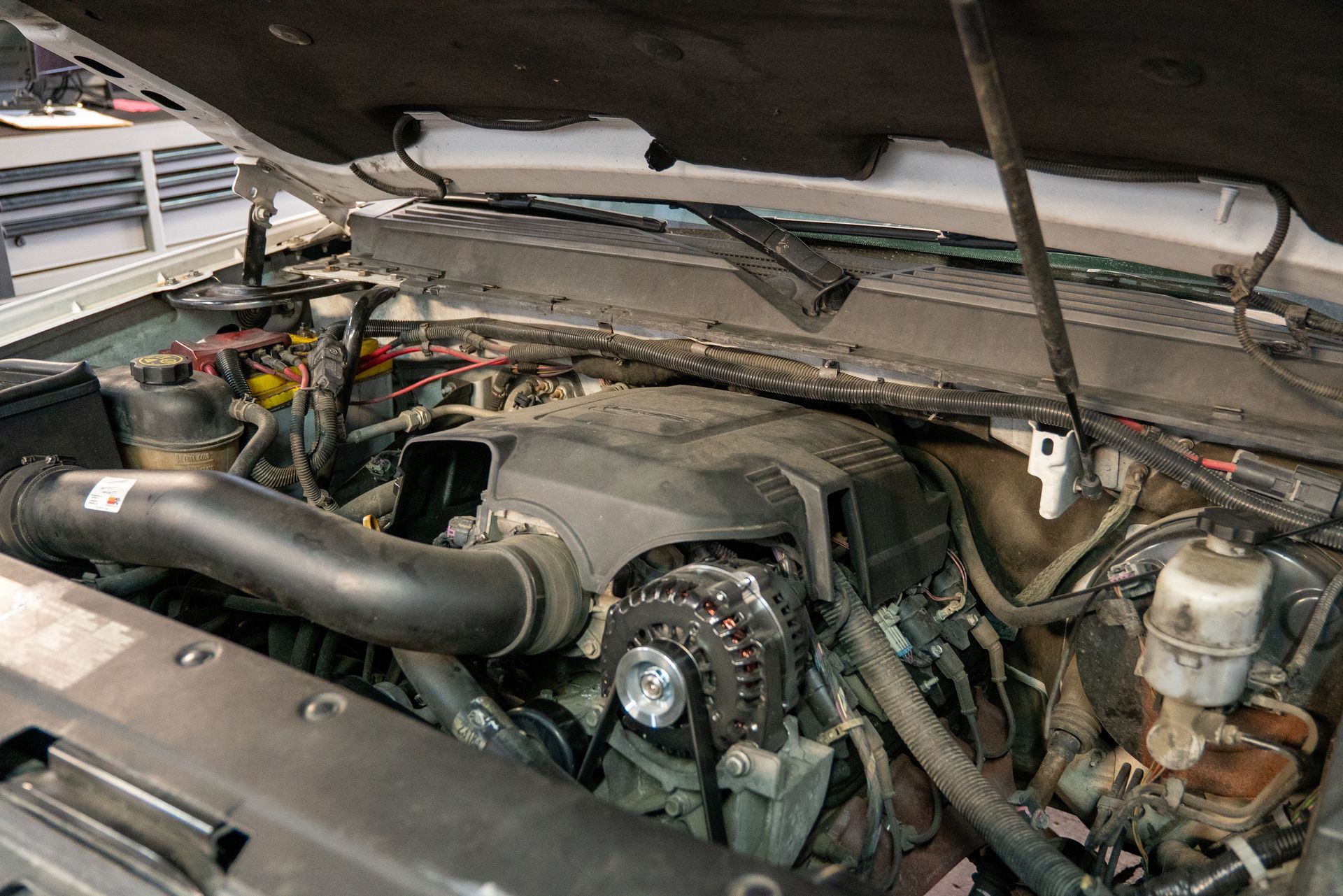
Some dashboard lights mean you should stop driving, while others mean you need service soon.
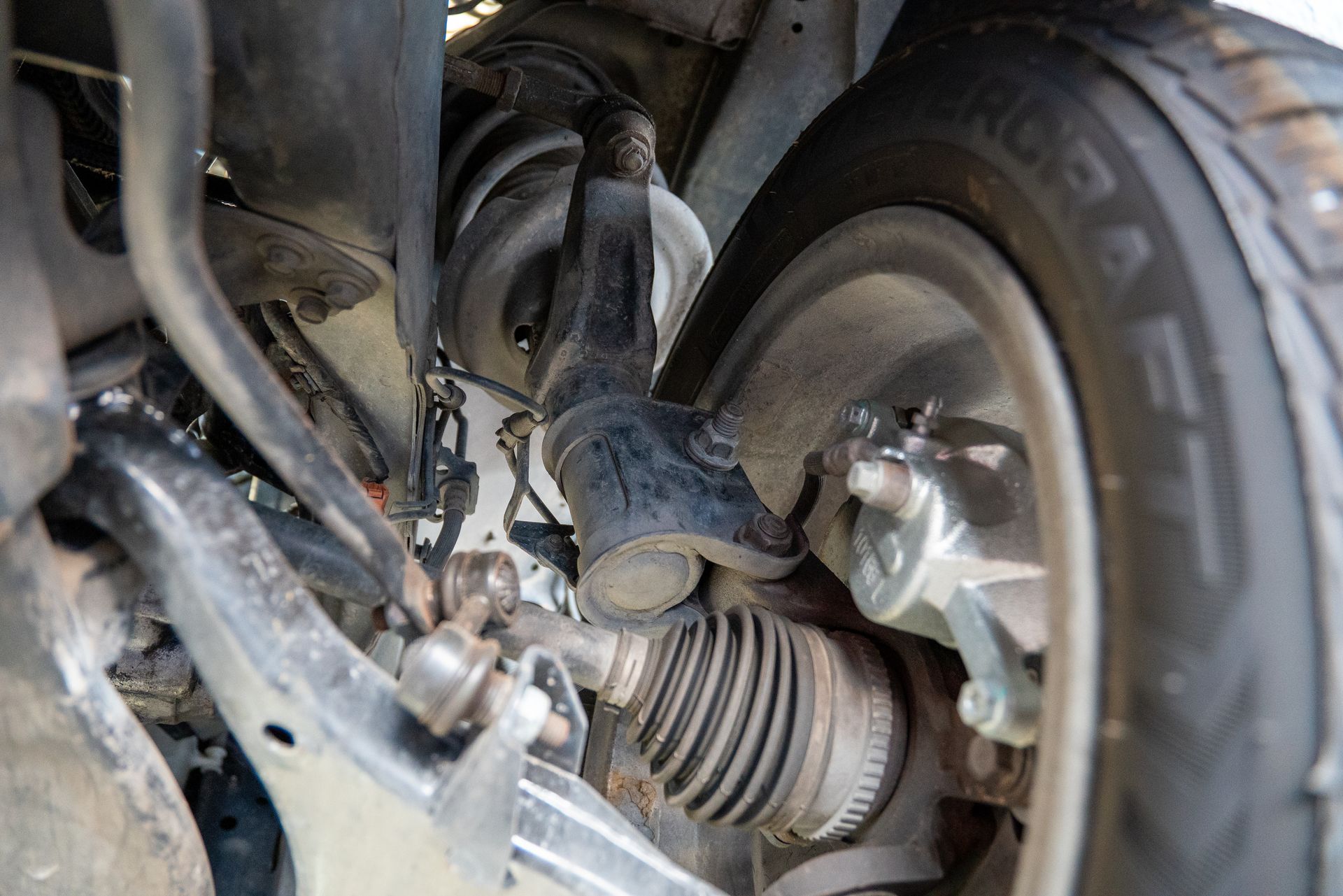
If your steering feels loose or your car wanders on the road, there may be wear in the steering or suspension system. You may feel like you have to keep moving the steering wheel just to stay in your lane.
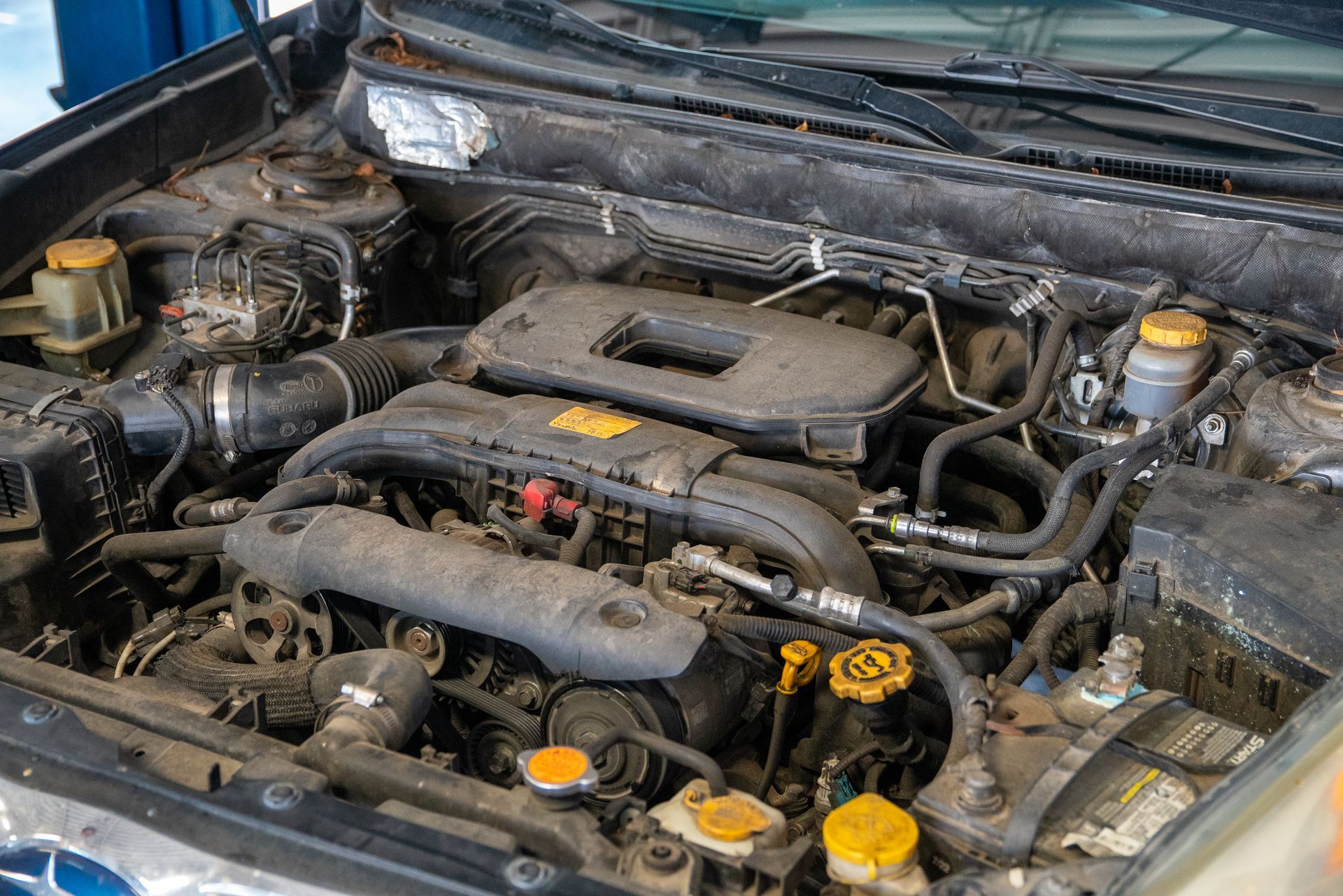
If your car stalls at stoplights but runs while you are driving, the engine may be having trouble staying running at idle. The cause could be an air, fuel, ignition, or electrical problem.
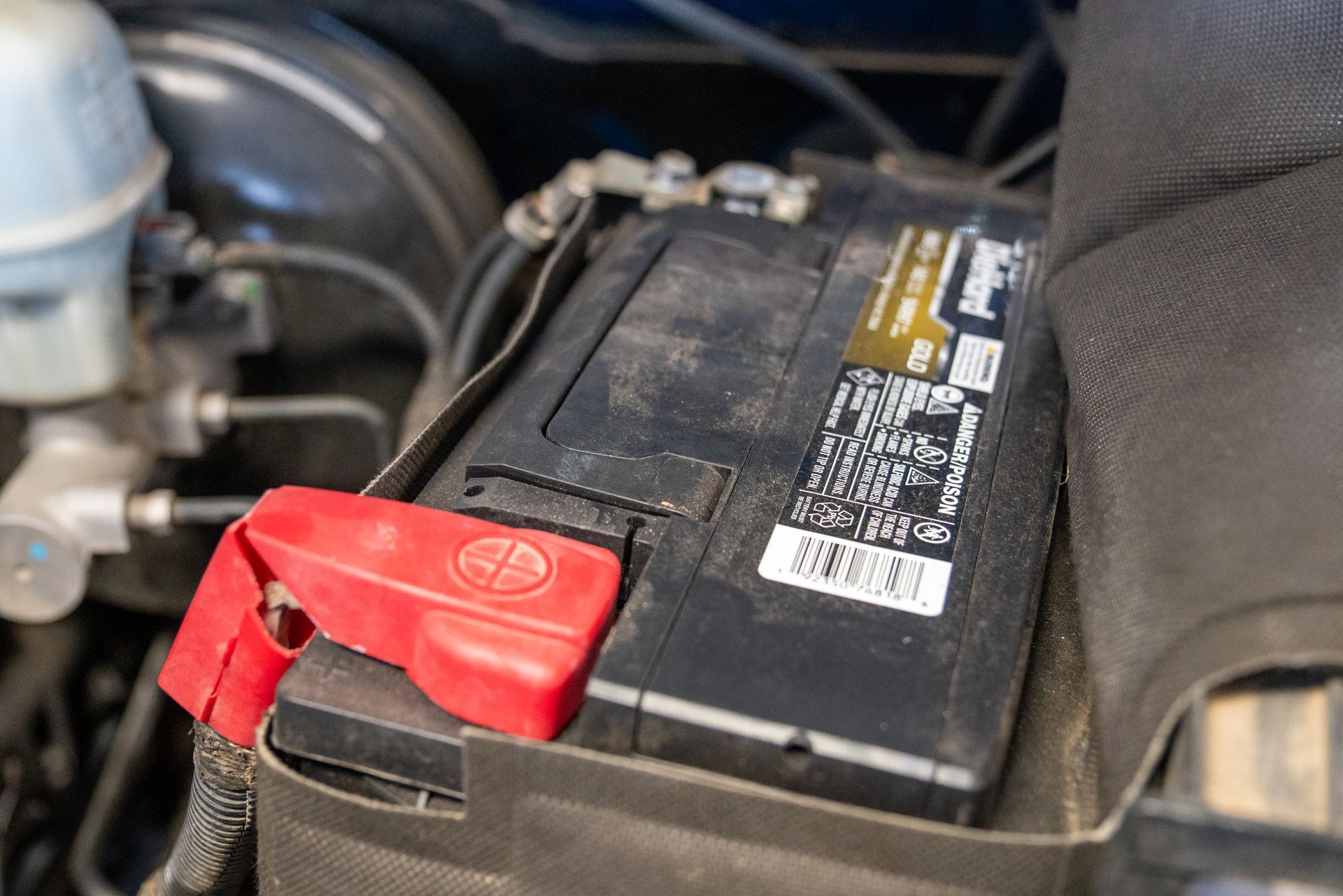
Yes. A weak battery can cause warning lights, slow starting, flickering lights, and other strange electrical problems. Modern vehicles use many computers, and those computers need steady voltage to work the right way.