Understanding Tire Pressure Monitoring Systems (TPMS) for Your Car
Did you know...
that most cars, mini-vans, and light trucks made in 2008 or later are equipped with a tire pressure monitoring system (TPMS)? Even some older vehicles have this feature. TPMS is a system with sensors on each wheel that keeps track of tire pressure.
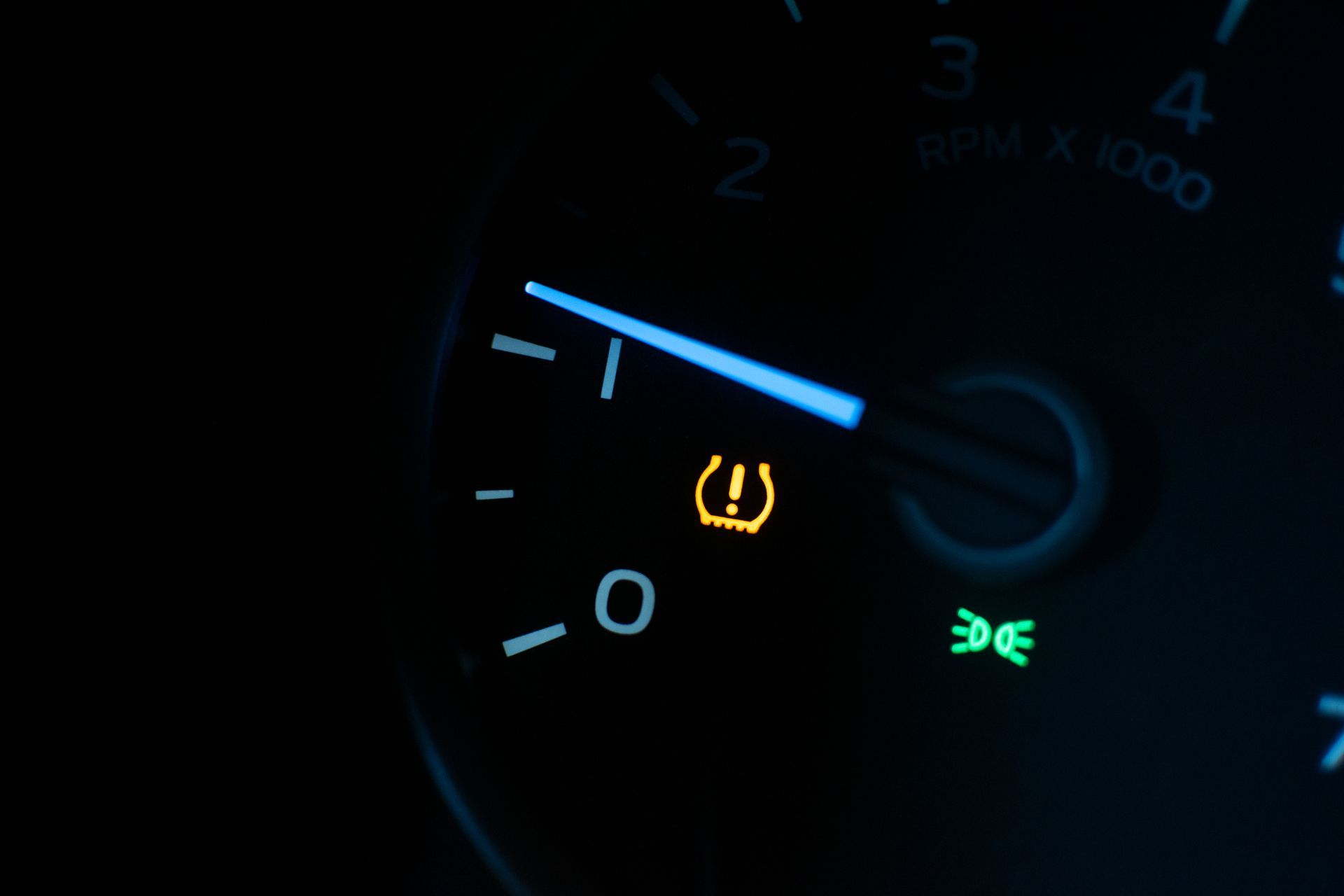
When your tire pressure drops 25 percent below the recommended level by the manufacturer, the sensor sends a signal to a monitoring unit, which then lights up a warning on your dashboard. This warning tells you it's time to add air to your tires.
When your tire pressure drops 25 percent below the recommended level by the manufacturer, the sensor sends a signal to a monitoring unit, which then lights up a warning on your dashboard. This warning tells you it's time to add air to your tires.
There are many benefits to driving with properly inflated tires. First, it saves you money. Having the right amount of air in your tires improves fuel economy. Properly inflated tires also wear evenly, meaning they last longer. Driving with under-inflated tires is like driving on sand - it uses more fuel.
Safety is another important benefit of having properly inflated tires. Under-inflated tires can get hotter and may fail, potentially causing accidents. Your car and tires perform better and safer when the tires are properly inflated.
Many consumer groups, lawmakers, and car manufacturers support TPMS systems because they believe they save lives, prevent property damage, and reduce inconvenience. However, TPMS systems come with costs.
The systems are built into the price of the car, and the sensors' batteries need replacing over time. Parts may break and need replacing, especially in colder climates where ice and salt can damage them. Additionally, every time a tire is serviced, the TPMS system needs attention, requiring equipment and training for technicians.
Despite these costs, service centers like David's Automotive Repair prioritize your safety on the road. However, they want you to understand why prices for tire services may increase due to TPMS systems.
It's essential to remember that the TPMS warning only alerts you when a tire is significantly under-inflated. You should still check your tire pressure regularly, ideally at every fill-up, or at least once a month, for safe travels.
For more information about Tire Pressure Management Systems, contact David's Automotive Repair. We're committed to keeping you safely on the road at a fair price.
Safety is another important benefit of having properly inflated tires. Under-inflated tires can get hotter and may fail, potentially causing accidents. Your car and tires perform better and safer when the tires are properly inflated.
Many consumer groups, lawmakers, and car manufacturers support TPMS systems because they believe they save lives, prevent property damage, and reduce inconvenience. However, TPMS systems come with costs.
The systems are built into the price of the car, and the sensors' batteries need replacing over time. Parts may break and need replacing, especially in colder climates where ice and salt can damage them. Additionally, every time a tire is serviced, the TPMS system needs attention, requiring equipment and training for technicians.
Despite these costs, service centers like David's Automotive Repair prioritize your safety on the road. However, they want you to understand why prices for tire services may increase due to TPMS systems.
It's essential to remember that the TPMS warning only alerts you when a tire is significantly under-inflated. You should still check your tire pressure regularly, ideally at every fill-up, or at least once a month, for safe travels.
For more information about Tire Pressure Management Systems, contact David's Automotive Repair. We're committed to keeping you safely on the road at a fair price.
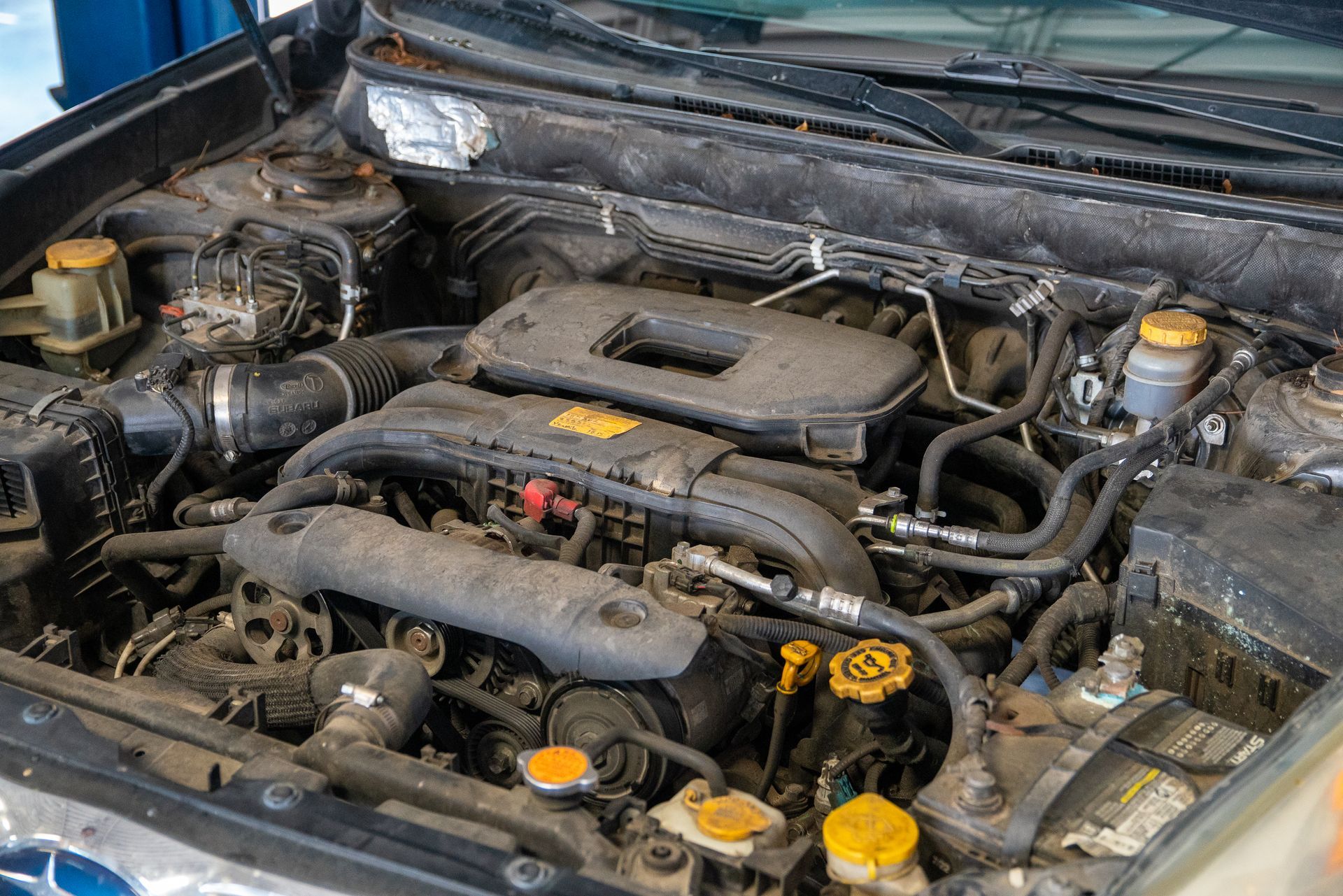
If your car stalls at stoplights but runs while you are driving, the engine may be having trouble staying running at idle. The cause could be an air, fuel, ignition, or electrical problem.
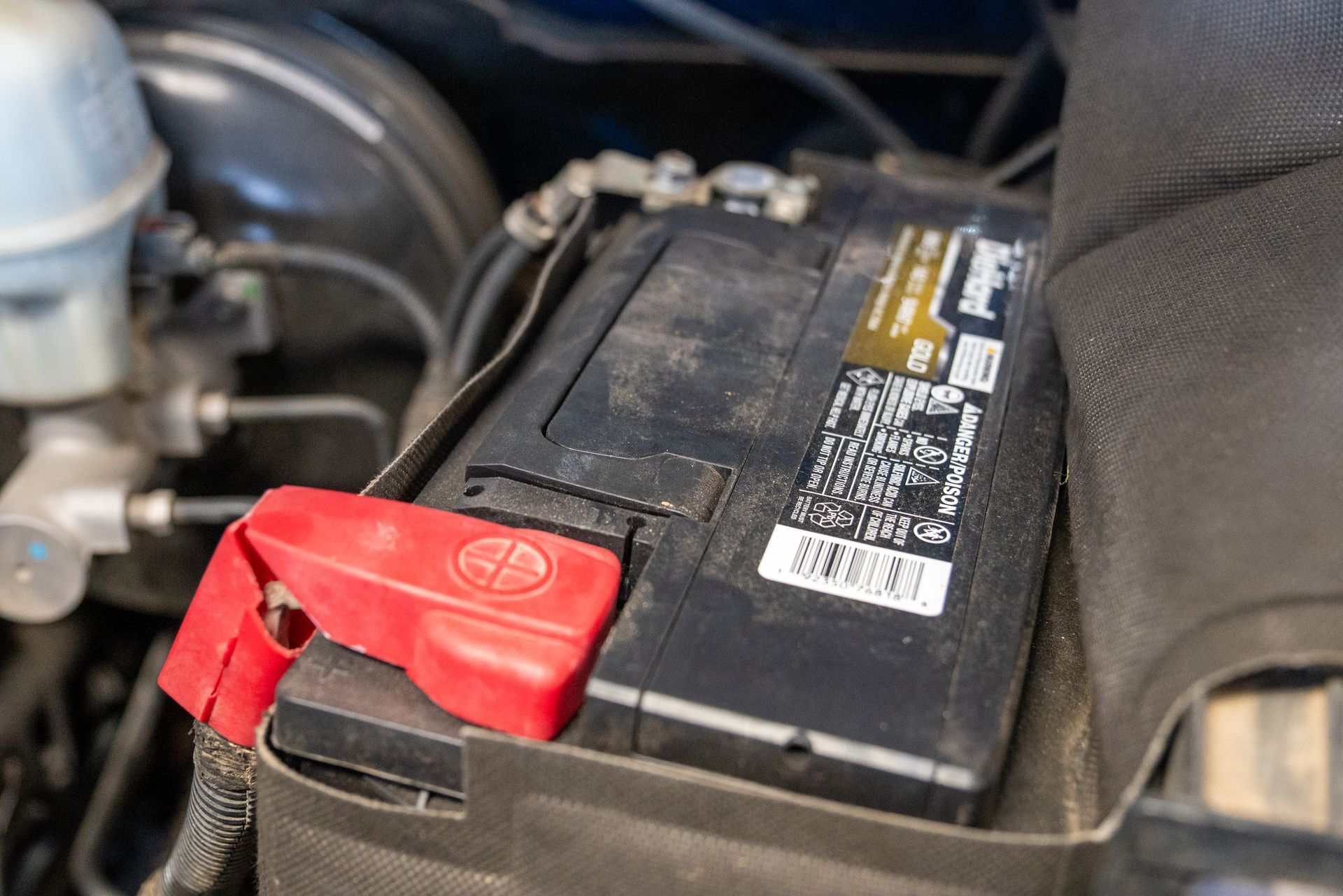
Yes. A weak battery can cause warning lights, slow starting, flickering lights, and other strange electrical problems. Modern vehicles use many computers, and those computers need steady voltage to work the right way.
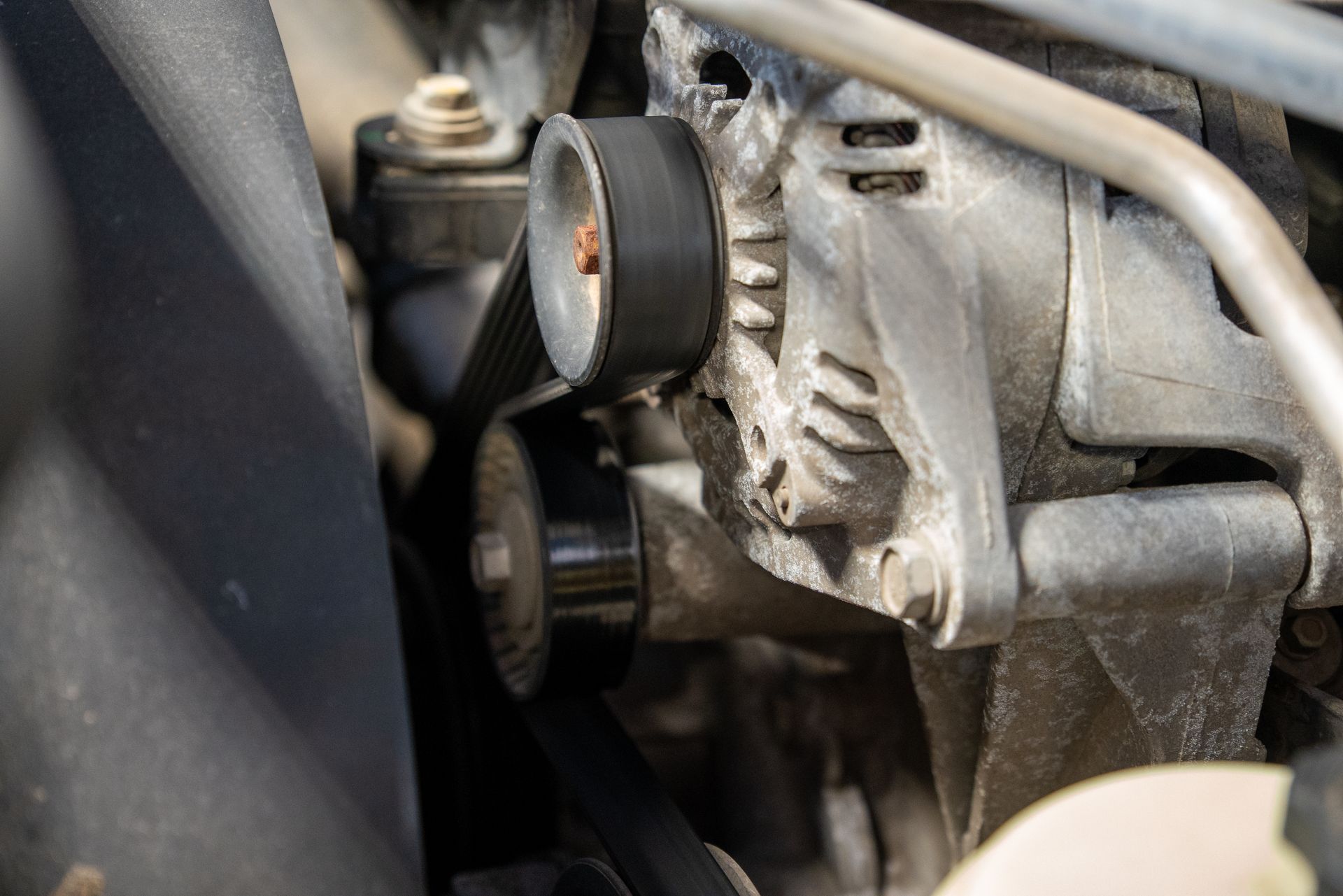
If your car squeals when you first start it, the noise may be coming from the serpentine belt or one of the parts that keeps the belt moving. The sound may last only a few seconds or continue until the engine warms up.
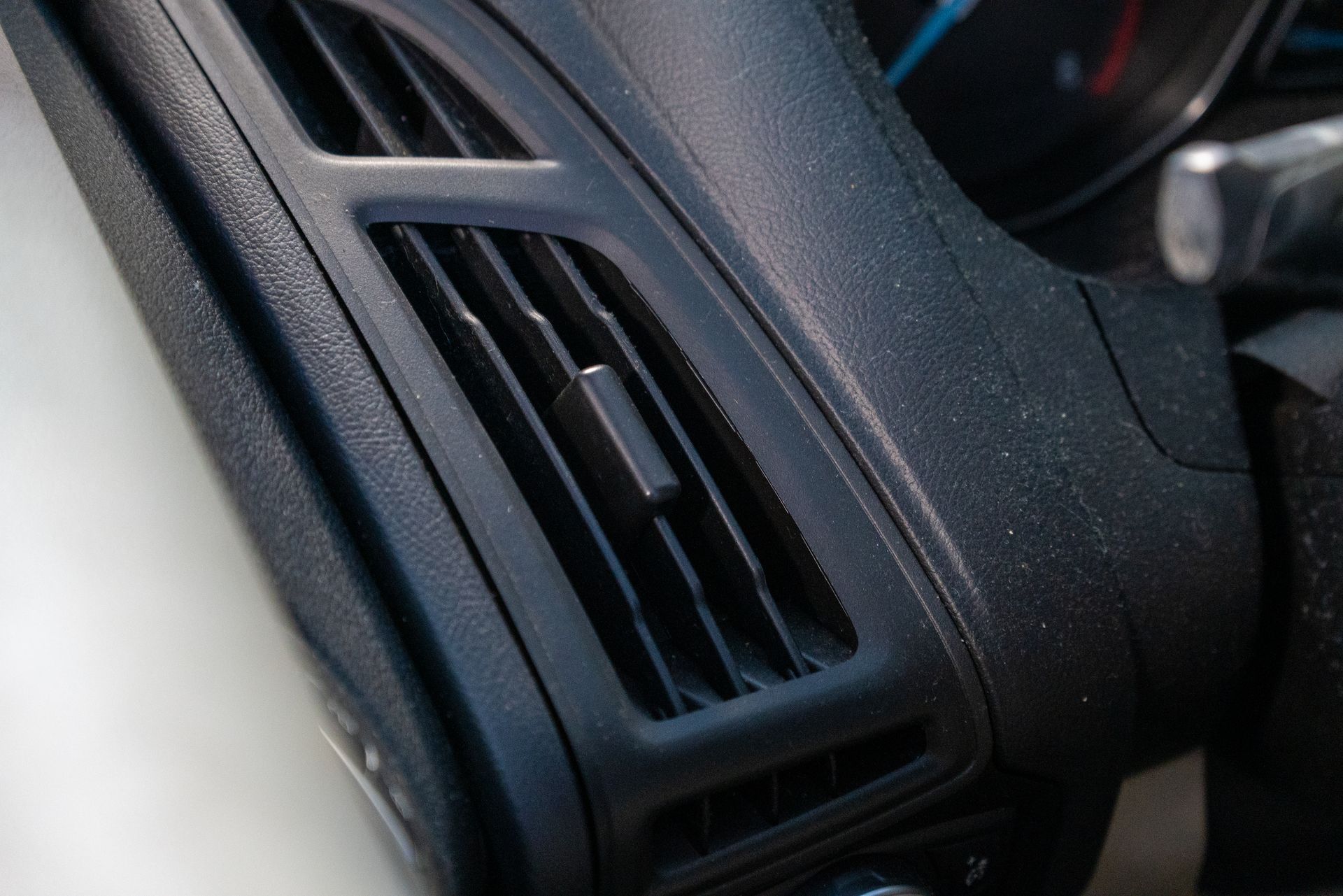
If your heater blows warm air on one side and cold air on the other, the HVAC system may not be directing air the right way. This is common on vehicles with dual-zone climate control, where the driver and passenger can choose different temperatures.
Discover the importance of alignments at David's Automotive Repair in The Colony, TX. Optimize your vehicle's performance. Call us today!
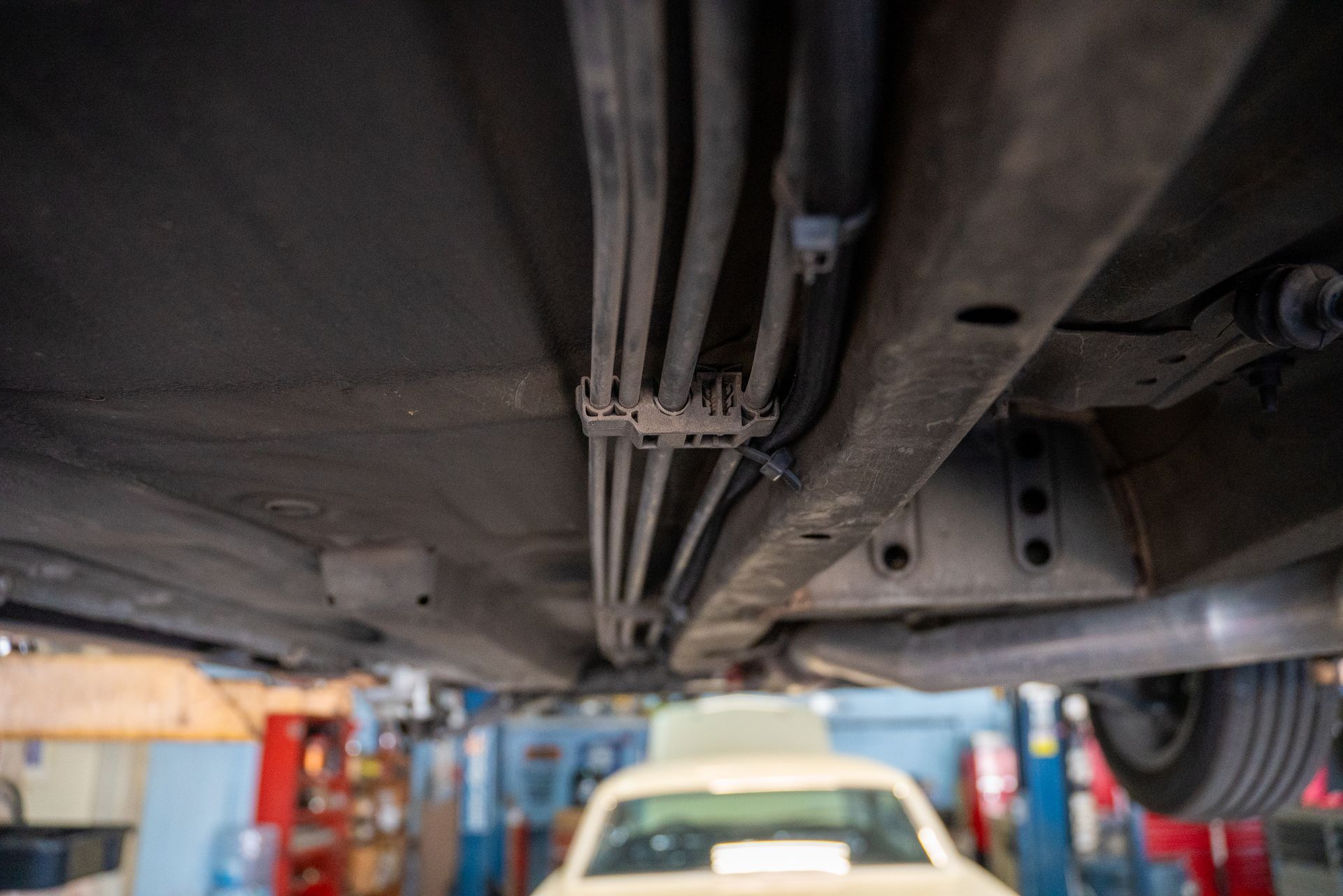
If your car smells like gas, take the odor seriously. A fuel smell can come from a fuel leak, EVAP system problem, loose gas cap, or another issue that lets fuel or fuel vapor escape.
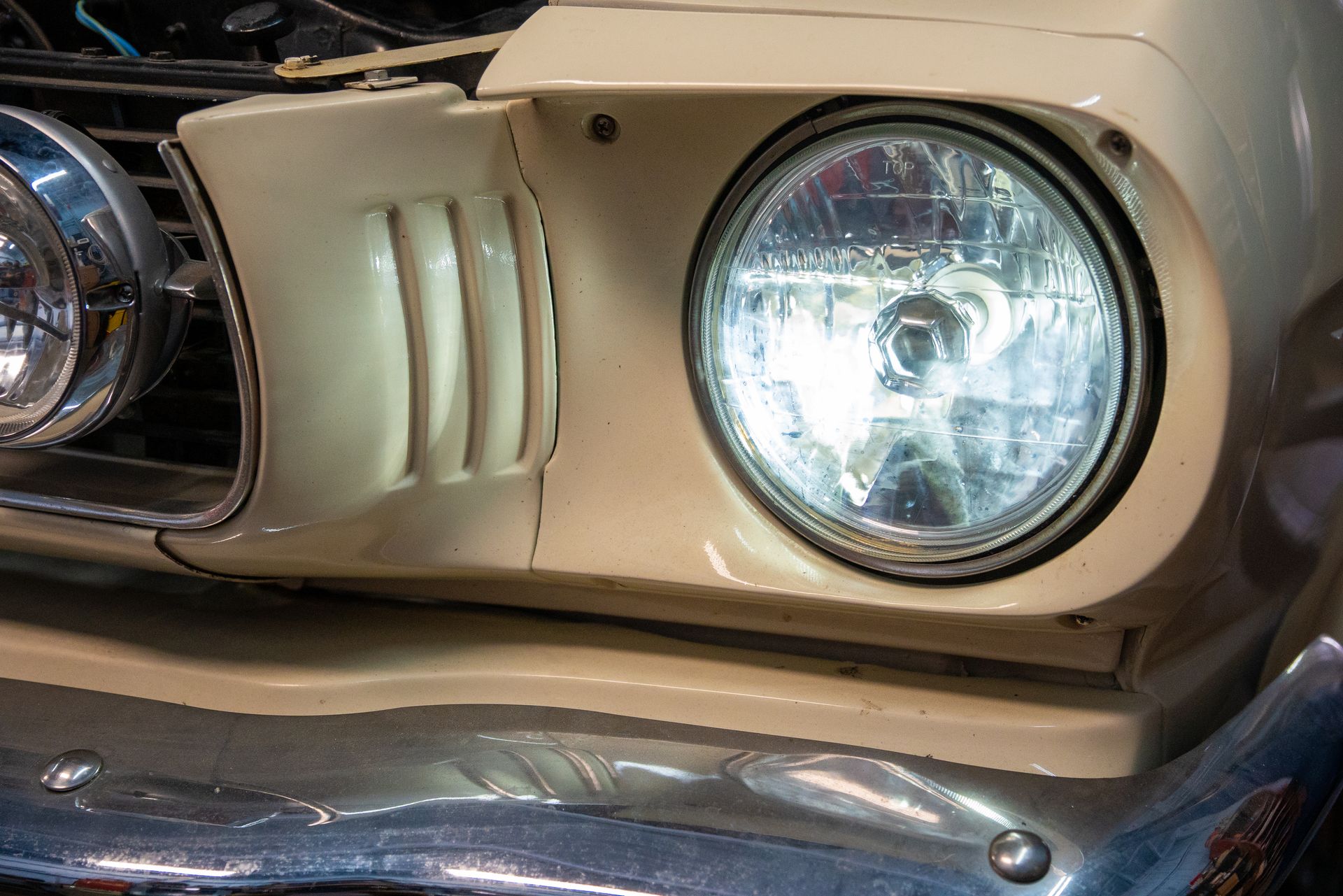
If your headlights dim when you stop at a red light, the charging system may need attention. You may notice the lights get brighter again when you press the gas or start moving.
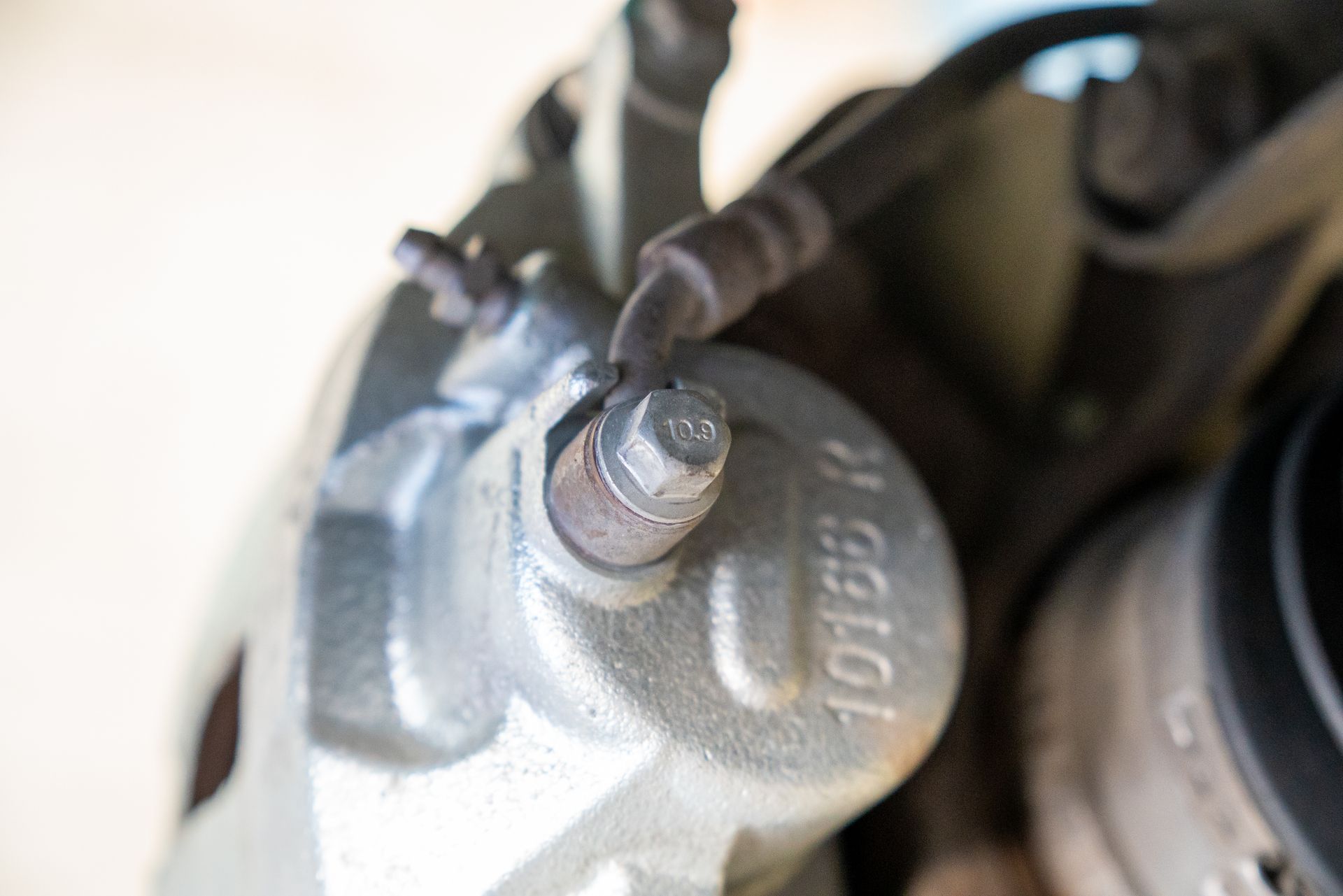
A soft or spongy brake pedal can mean there is a problem in the brake system. The pedal may feel like it sinks too far, feels weak, or does not give you the firm feel you expect when stopping.
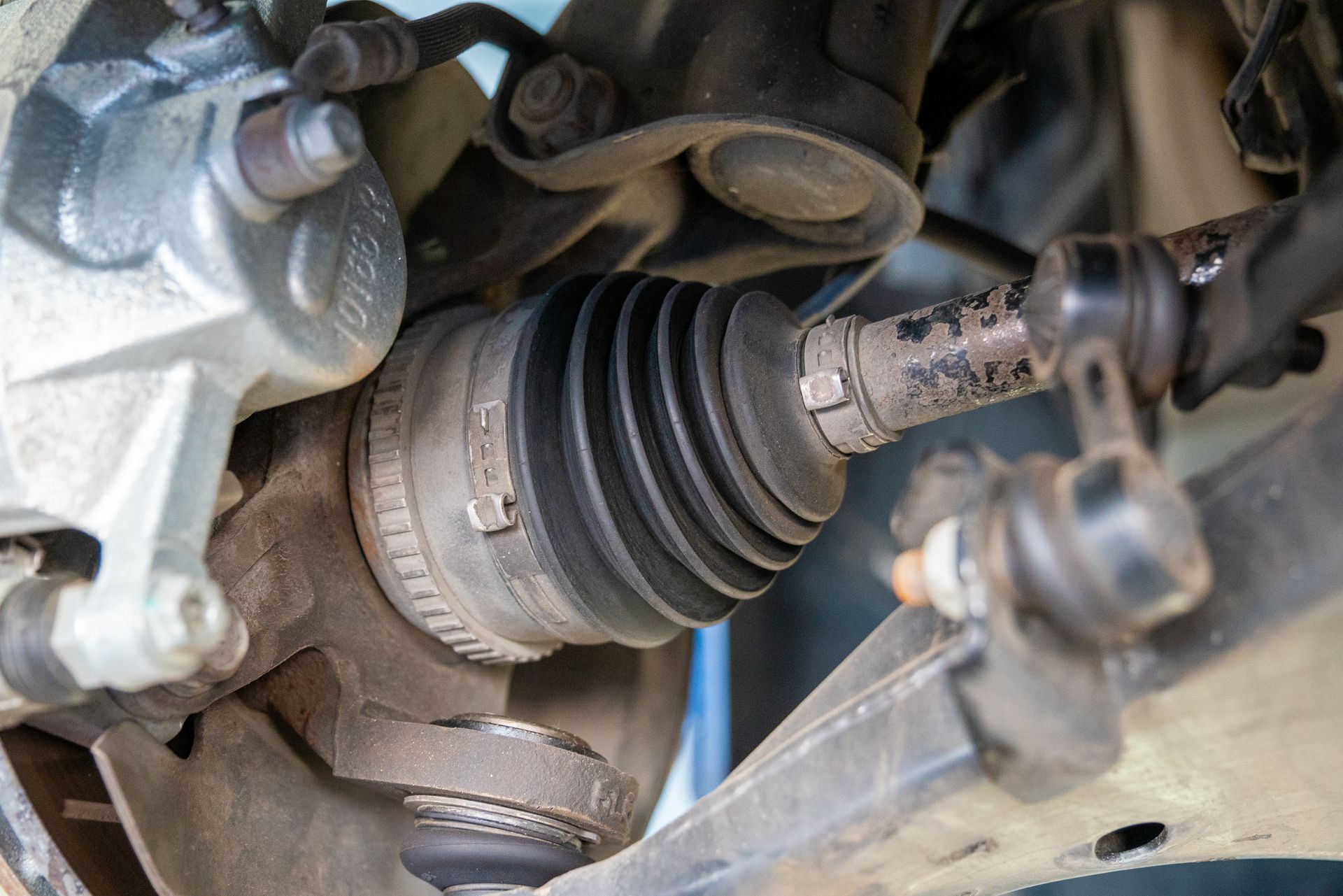
If you hear a clicking sound when you turn, a worn CV joint is one of the most common causes. The noise may be louder during a sharp turn, such as when you pull into a parking space or make a U-turn.
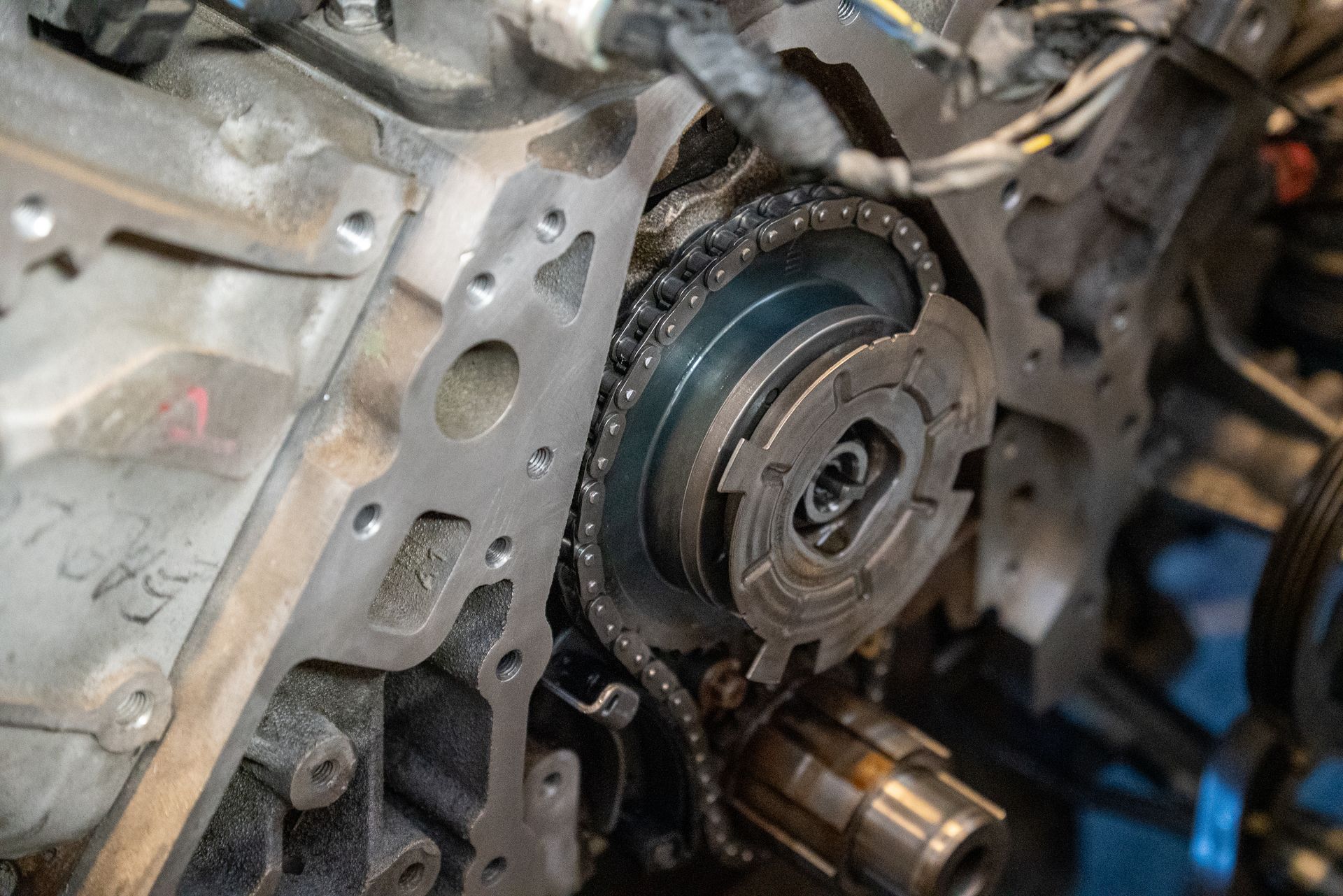
If your car vibrates or shakes while idling , something may not be working the way it should.