Why Does Tire Pressure Drop When the Weather Gets Colder?
Tire pressure drops when outside air gets colder because the air inside the tire contracts.
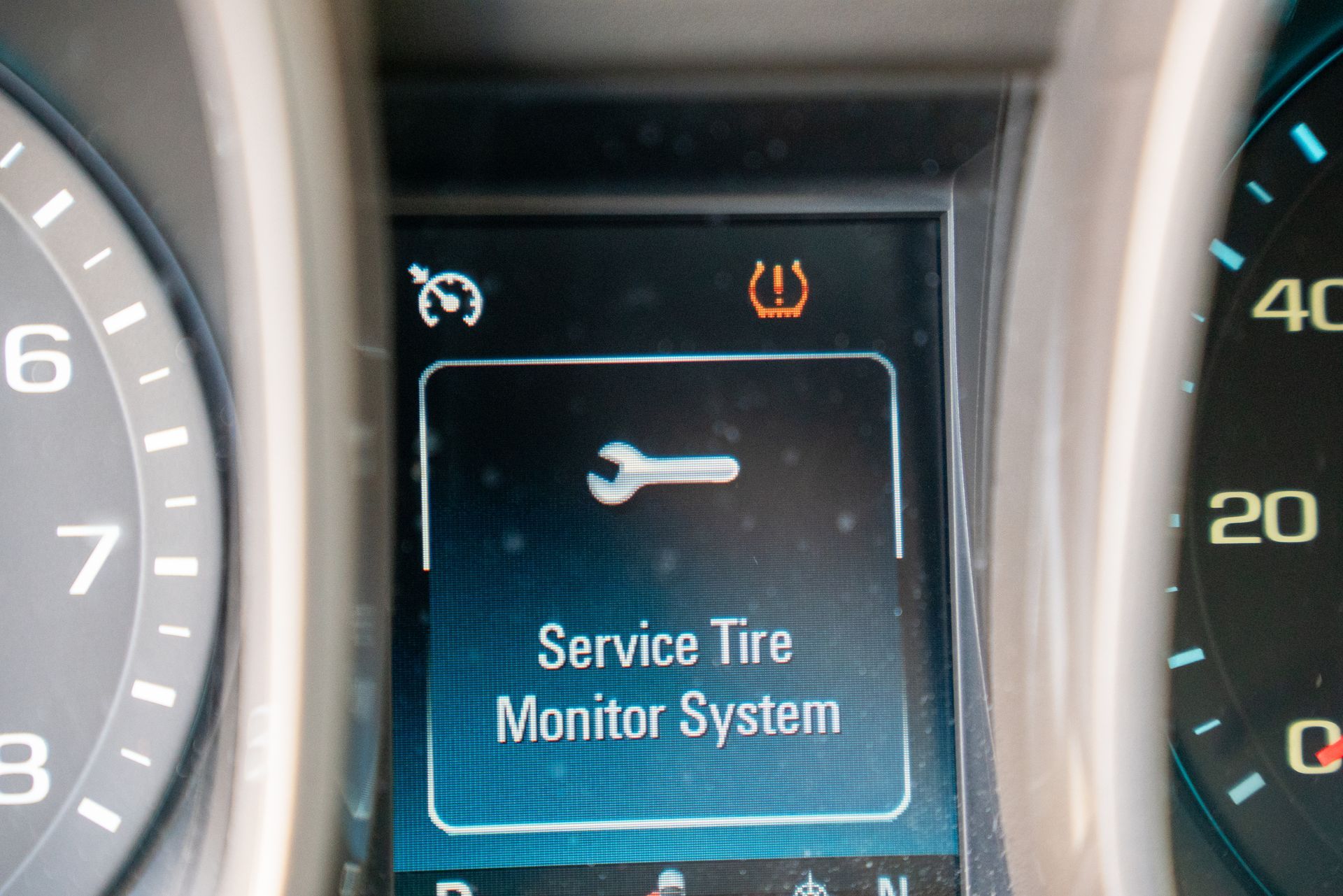
A sudden cold morning in North Texas can turn on your tire pressure warning light even if you did not hit a nail. But a tire that keeps going low may have a leak.
How Much Can Tire Pressure Change?
As a general rule, tire pressure can change by about 1 PSI for every 10°F change in temperature. That means a large overnight temperature drop may lower pressure enough to trigger the tire pressure monitoring system, also called TPMS.
Should I Add Air When It Gets Cold?
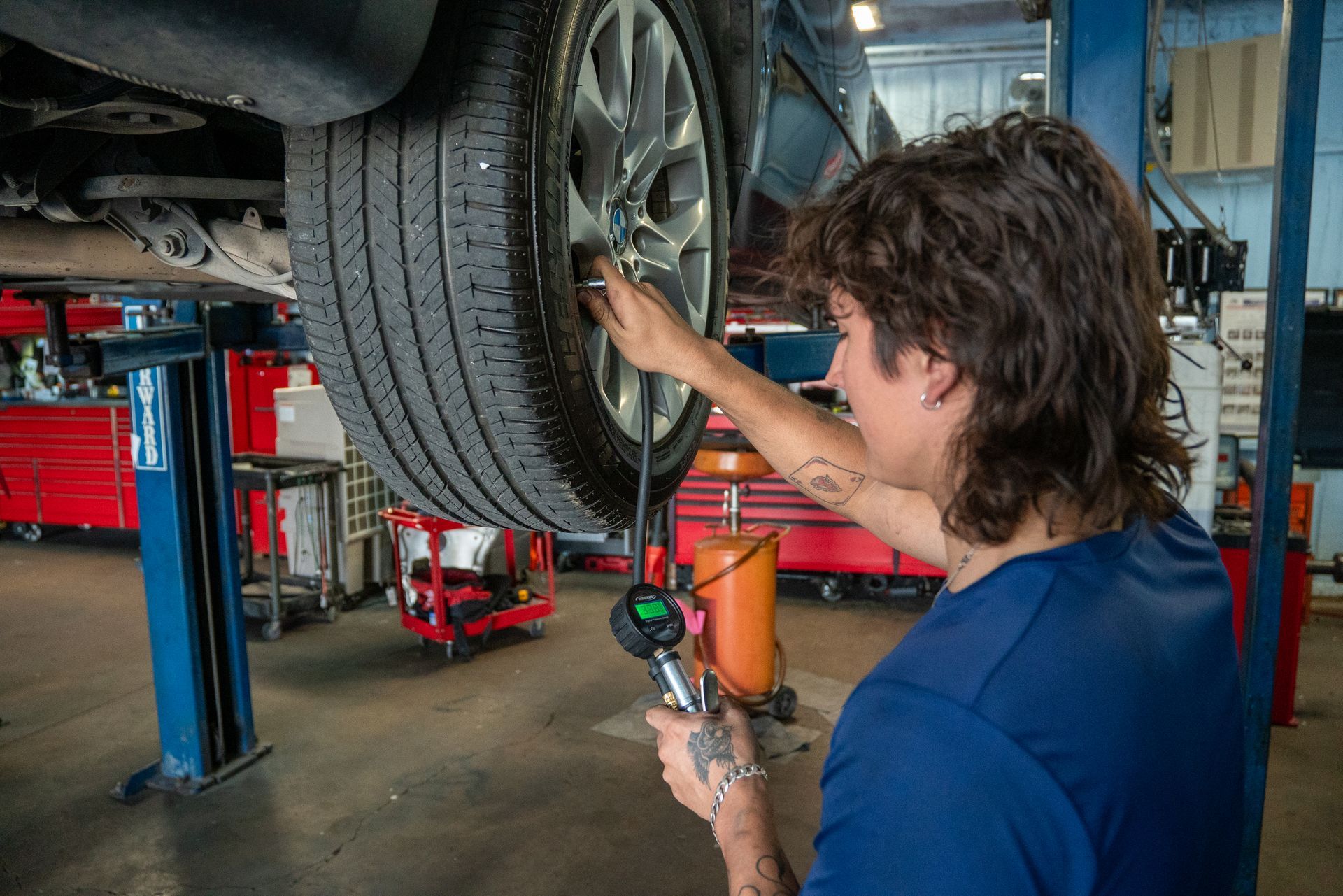
Yes, if the tires are below the recommended cold pressure. Use the tire pressure listed on the driver door sticker, not the maximum number printed on the tire. Check the tires before driving or after they have been parked for several hours.
How Do I Know if It Is a Leak?
If all four tires drop a little after a cold front, weather may be the cause. If one tire keeps losing pressure or needs air every few days, a nail, valve stem, or wheel seal may be leaking. A shop can test the tire and find the source.
Can Low Tire Pressure Damage Tires?
Yes. Driving on an underinflated tire can create extra heat, cause uneven wear, and hurt handling. Very low pressure can damage the tire from the inside. A tire that looks flat or has sidewall damage should not be driven on.
What Saves Money?
Checking pressure each month and before a road trip can help tires wear more evenly. Finding a small repairable leak early may keep you from needing a new tire.
Get Help in The Colony, TX
If you notice these symptoms, David’s Automotive Repair can inspect your vehicle and help find the cause. We serve drivers in The Colony, Frisco, Little Elm, Plano, and nearby North Texas communities. Call David’s Automotive Repair at
972-625-1836 or tap the “Make Reservation” button to schedule your service online.