
When Should I Replace My Car’s Timing Belt?
Replacing your car’s timing belt is crucial for keeping your engine running smoothly.

Most manufacturers recommend changing the timing belt every 60,000 to 100,000 miles. Check your owner’s manual for your specific vehicle’s guidelines.
If you notice any signs of wear, such as cracks, fraying, or oil leaks near the timing belt, it’s a good idea to replace it sooner. Unusual noises coming from the engine, like ticking sounds, can also be a sign of a problem.
Ignoring timing belt issues can lead to severe engine damage. Regular check-ups and timely replacements are vital. By staying on top of your timing belt maintenance, you can help ensure your car runs efficiently and avoid costly repairs down the road!
If you need help with your timing belt, call David's Automotive Repair!
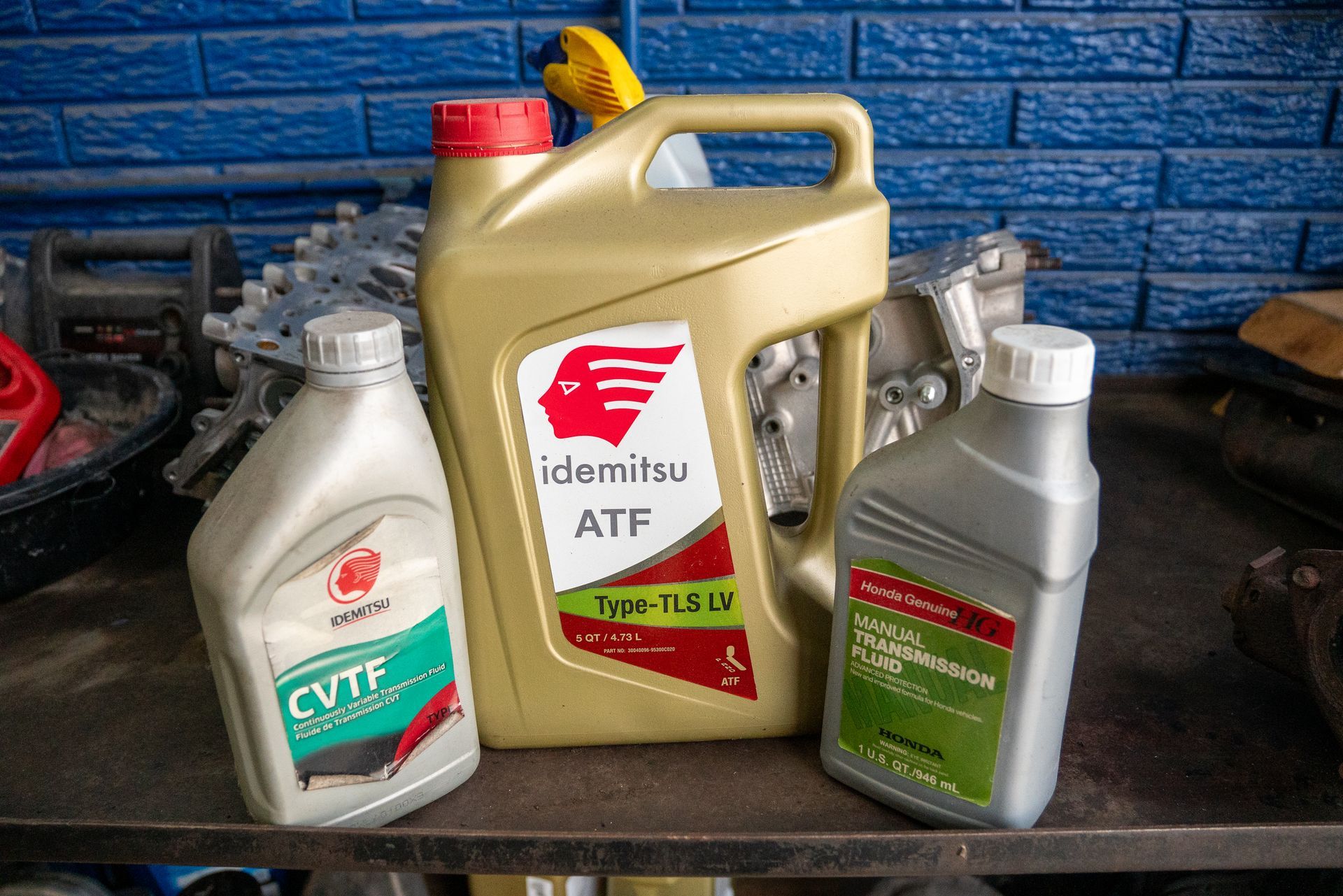
Dark transmission fluid or a burnt smell can be a sign of heat, age, or wear inside the transmission. But color alone cannot tell you whether a transmission is failing.
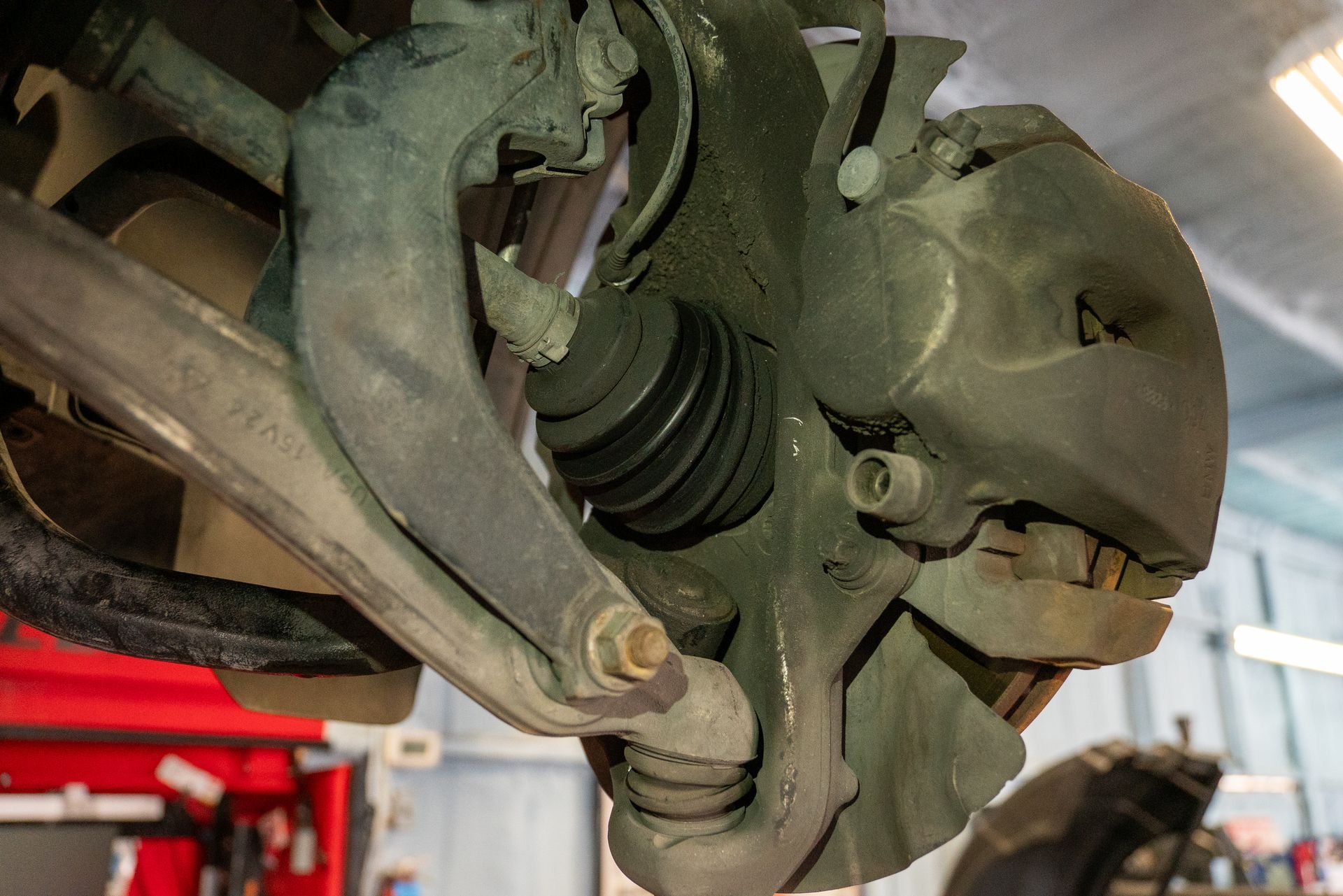
A humming or roaring noise that gets louder as your car speeds up may come from a wheel bearing, uneven tire wear, or another rotating part.
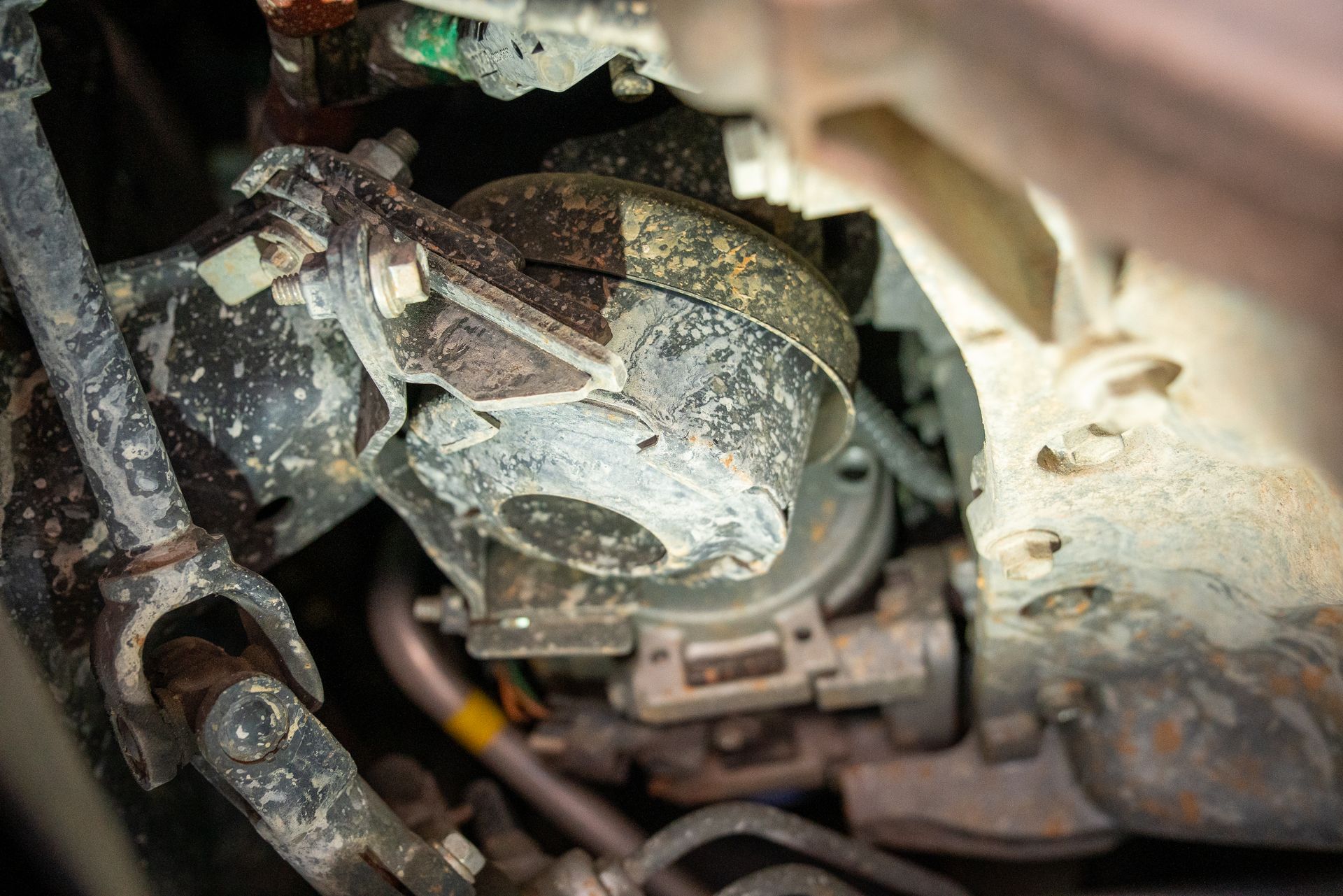
If your car shakes when you press the gas pedal, the cause may be in the engine, axle, driveshaft, or other drivetrain parts.
Need expert brake repairs in The Colony, TX? David's Automotive Repair offers top-notch automotive services. Schedule an online appointment now!
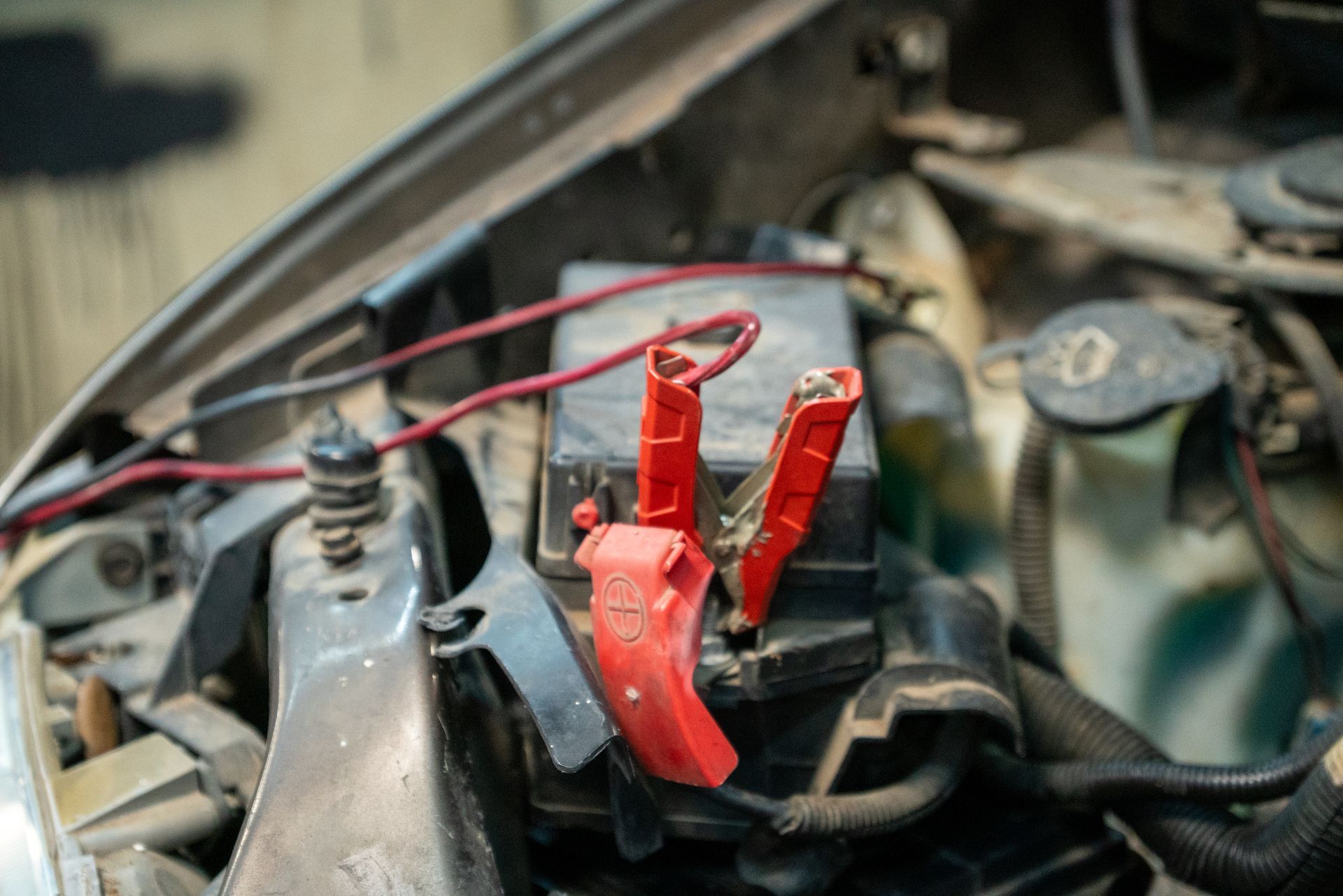
A weak battery and a failing alternator can both leave your car unable to start, but they do different jobs.
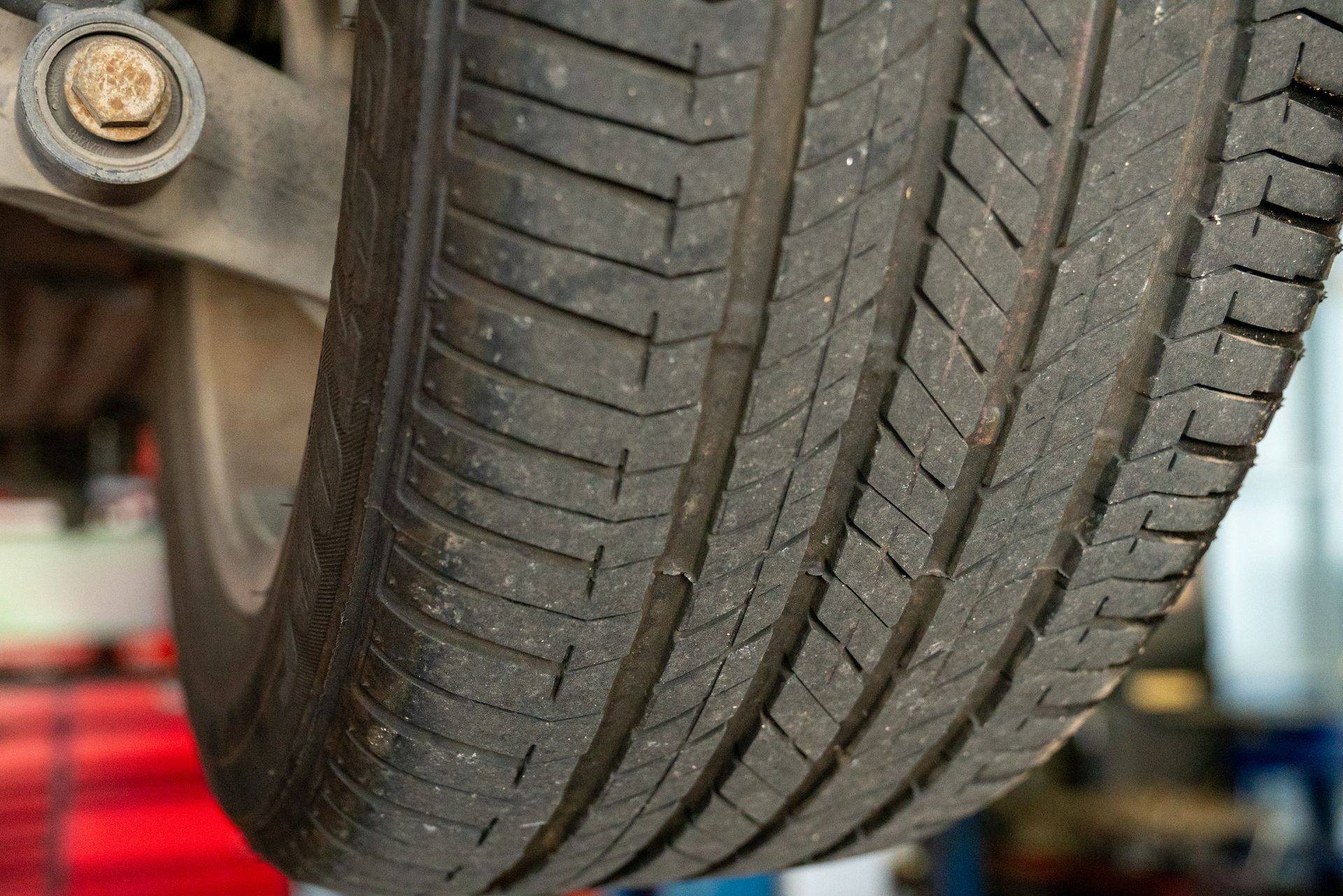
Tire pressure drops when outside air gets colder because the air inside the tire contracts.
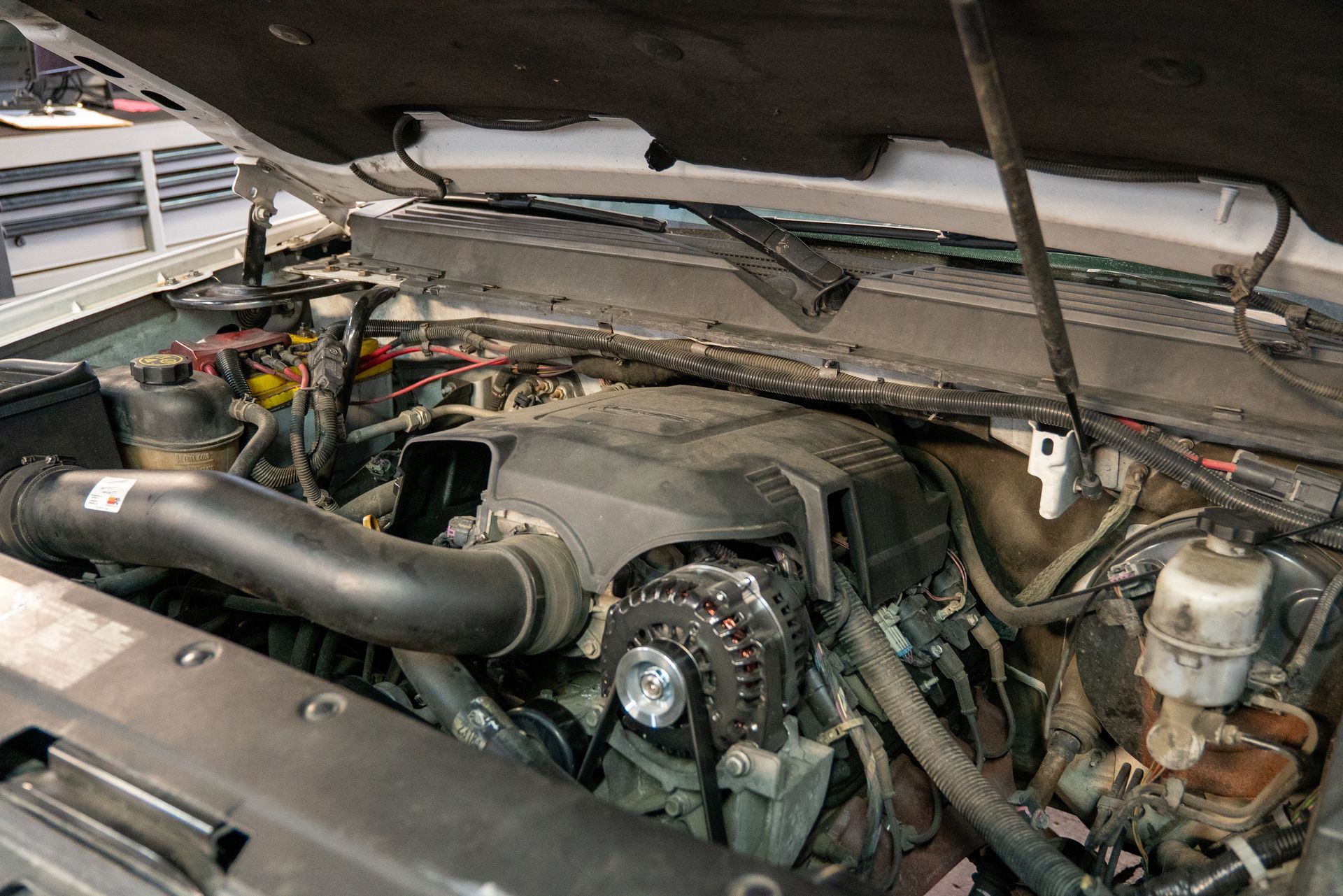
Some dashboard lights mean you should stop driving, while others mean you need service soon.
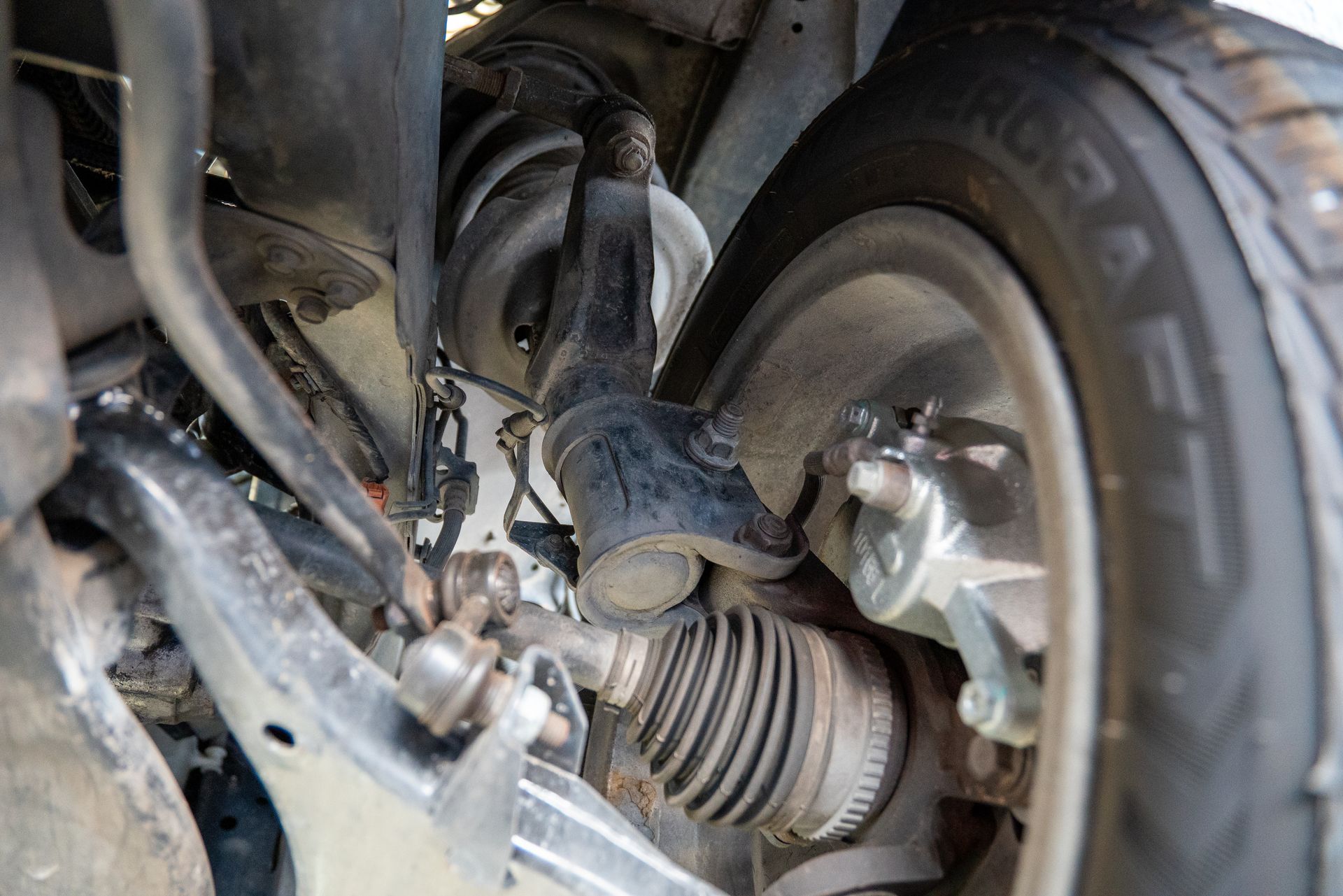
If your steering feels loose or your car wanders on the road, there may be wear in the steering or suspension system. You may feel like you have to keep moving the steering wheel just to stay in your lane.
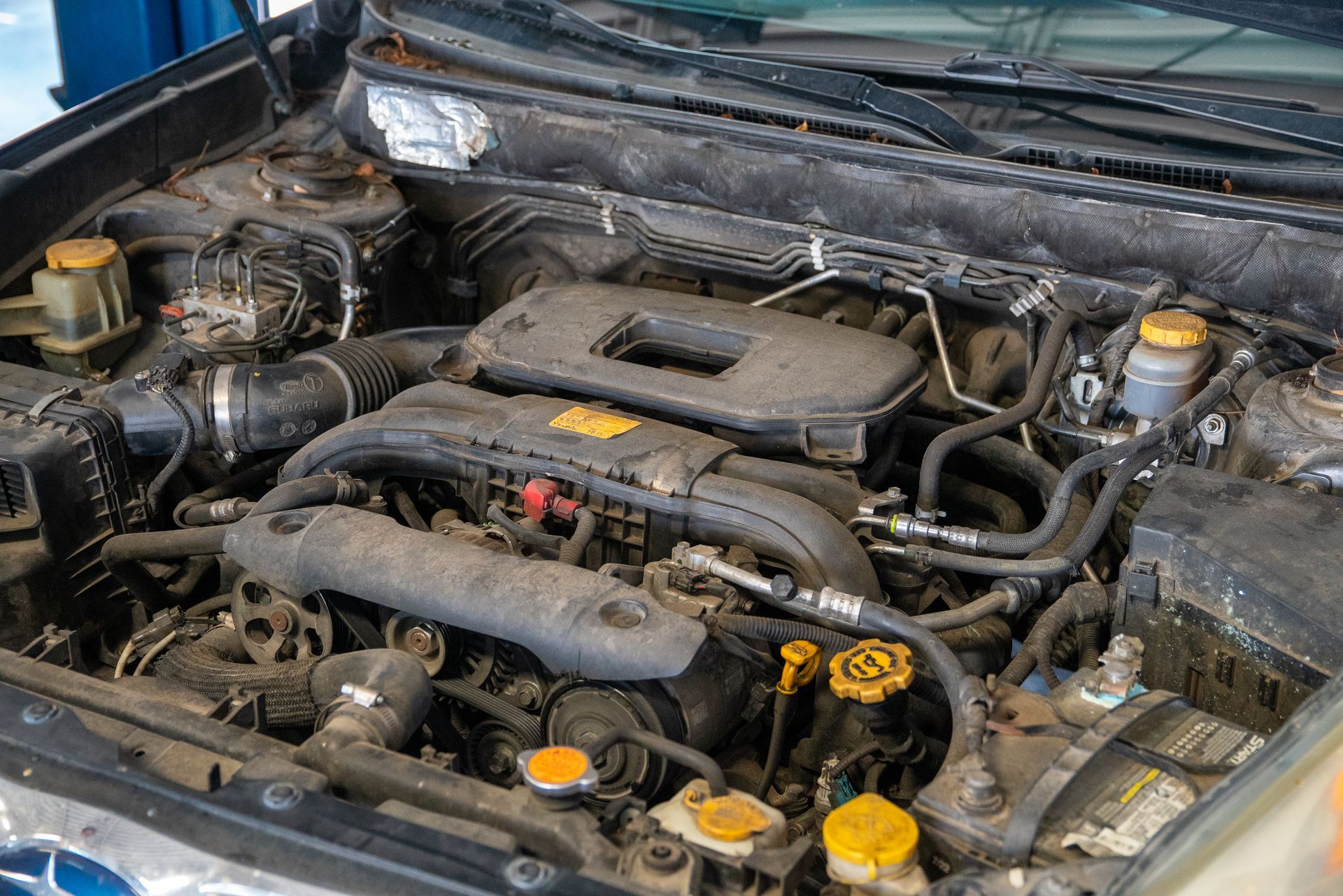
If your car stalls at stoplights but runs while you are driving, the engine may be having trouble staying running at idle. The cause could be an air, fuel, ignition, or electrical problem.
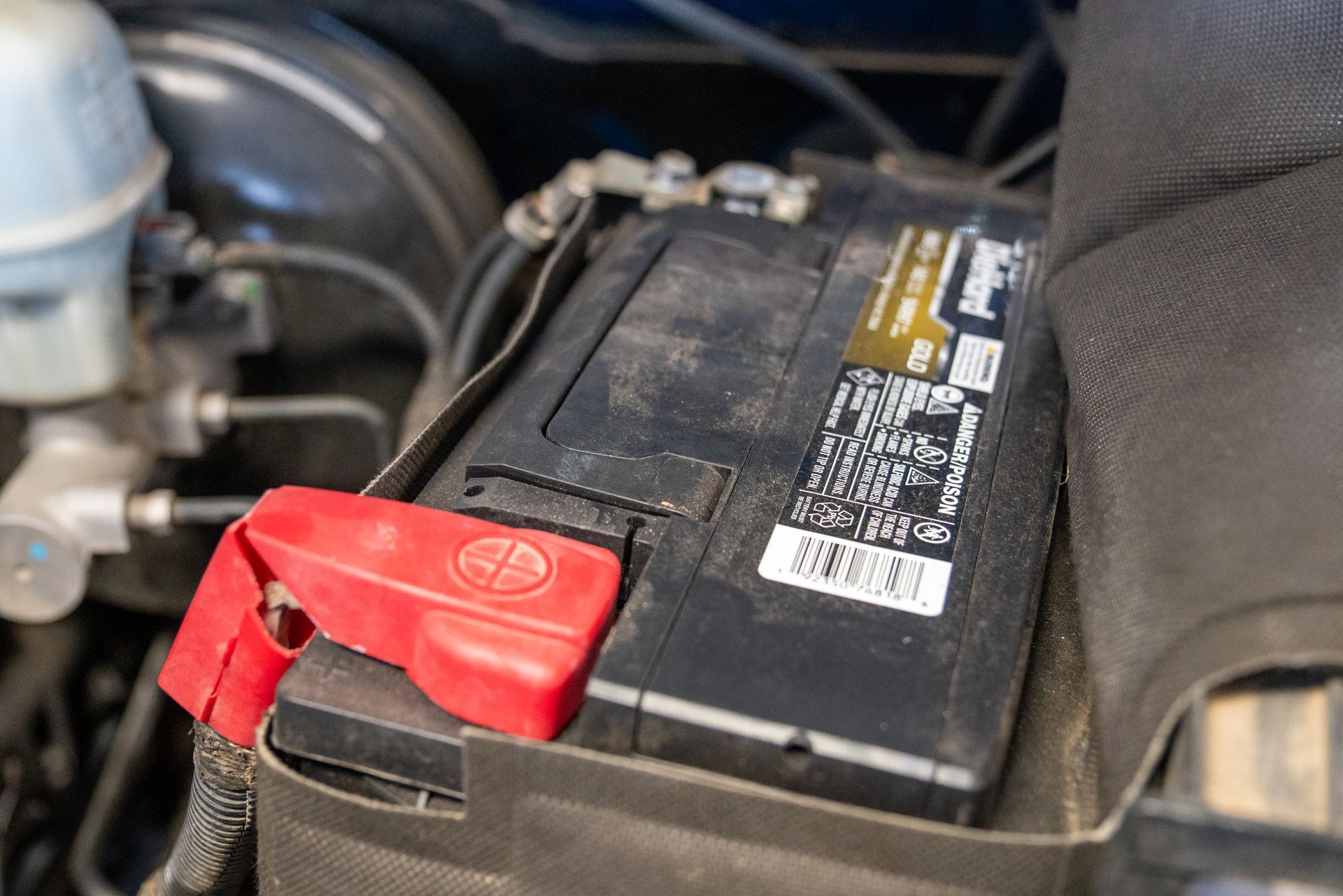
Yes. A weak battery can cause warning lights, slow starting, flickering lights, and other strange electrical problems. Modern vehicles use many computers, and those computers need steady voltage to work the right way.