What We Look for During a Winter Safety Inspection
Winter weather puts extra stress on your vehicle. Cold mornings, rain, and slick roads can expose problems that may not show up during warmer months. A winter safety inspection helps catch these issues early.
One of the first things we check is the brake system. Brakes work harder in wet and cold conditions. Worn brake pads or rotors can increase stopping distance. Brake fluid
is also important. Old or low brake fluid can affect braking performance.
Next, we inspect tires
and tire pressure. Cold weather causes tire pressure to drop. Low pressure reduces traction and can cause uneven tire wear. We also check tread depth to make sure tires can grip the road during rain.
The battery
and charging system are also important in winter. Cold temperatures make batteries work harder. A weak battery may start fine one day and fail the next. Testing the battery helps prevent no-start situations.
We also look at fluids,
belts, and hoses.
Fluids thicken in cold weather and may not protect parts as well. Belts and hoses can crack or leak when temperatures drop. Catching these problems early helps avoid breakdowns.
At David’s Automotive Repair in The Colony, TX,
our winter safety inspections focus on keeping your vehicle safe and reliable during cold weather driving.
Money-saving tip:
Testing your battery before it fails can help you avoid towing costs and emergency replacement prices.
Call David’s Automotive Repair at 972-625-1836
or tap the “Make Reservation” button to schedule your service online.
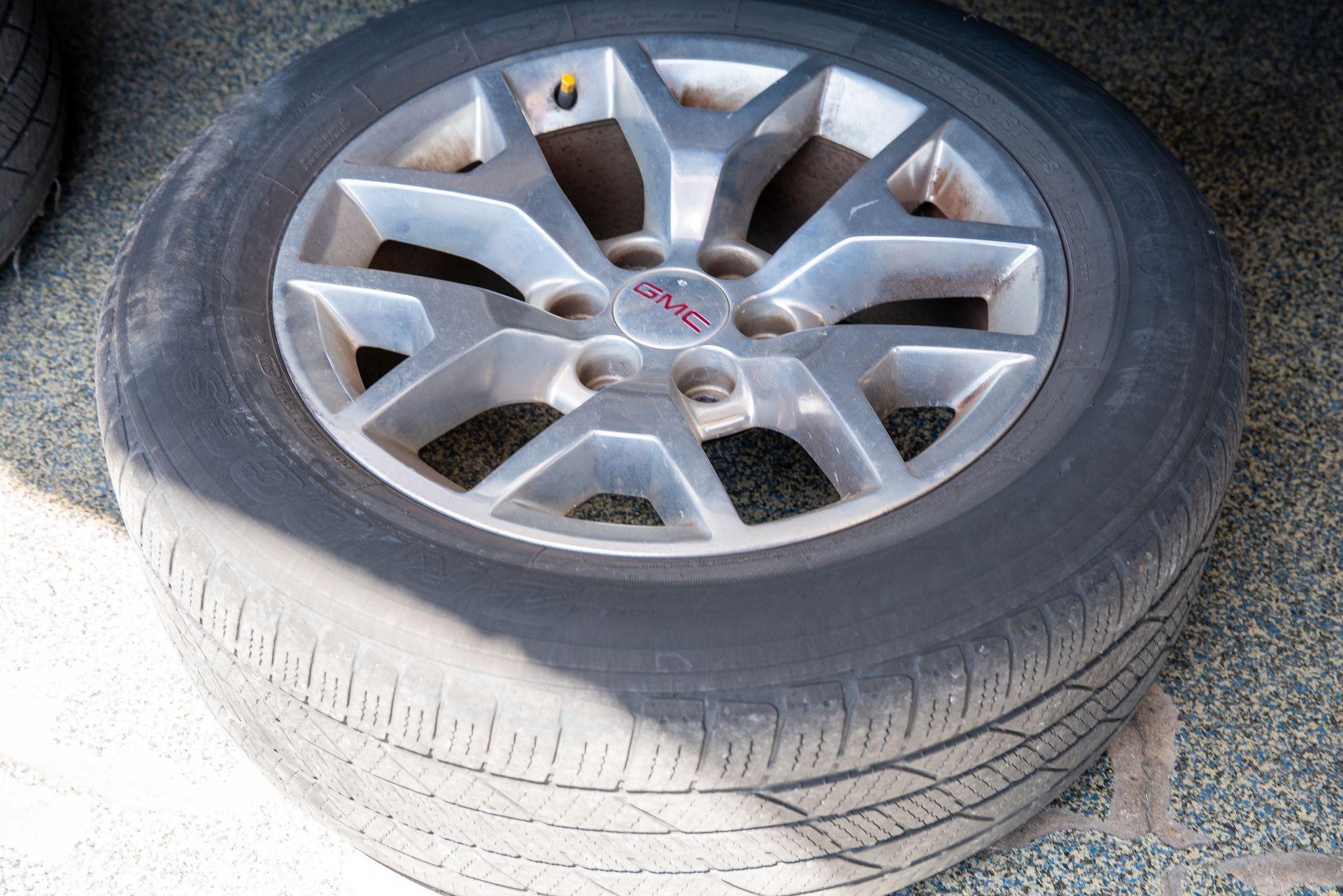
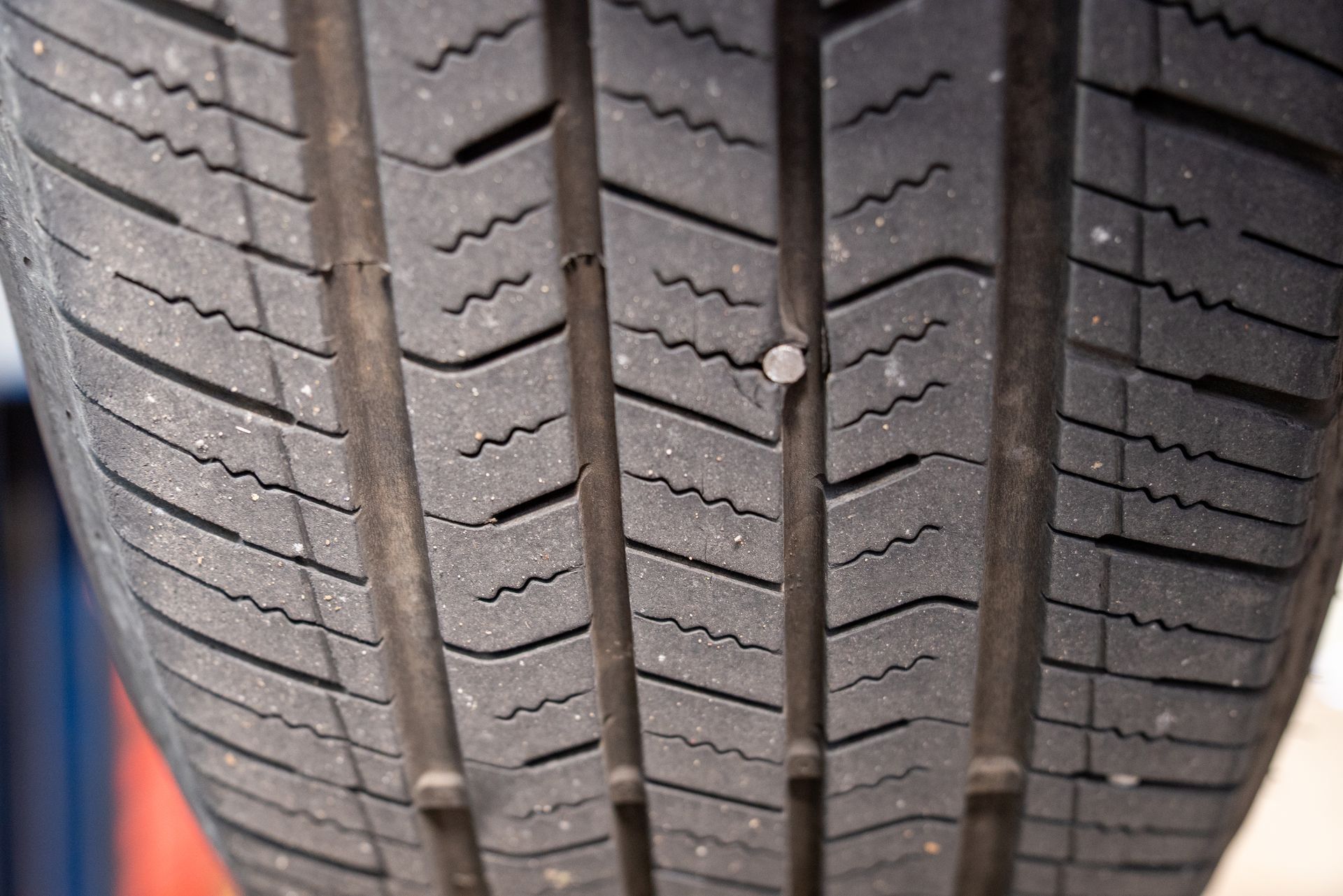
If your tires keep losing air, there is usually a reason. A small puncture, leaking valve stem, wheel problem, or change in weather can all cause tire pressure to drop.
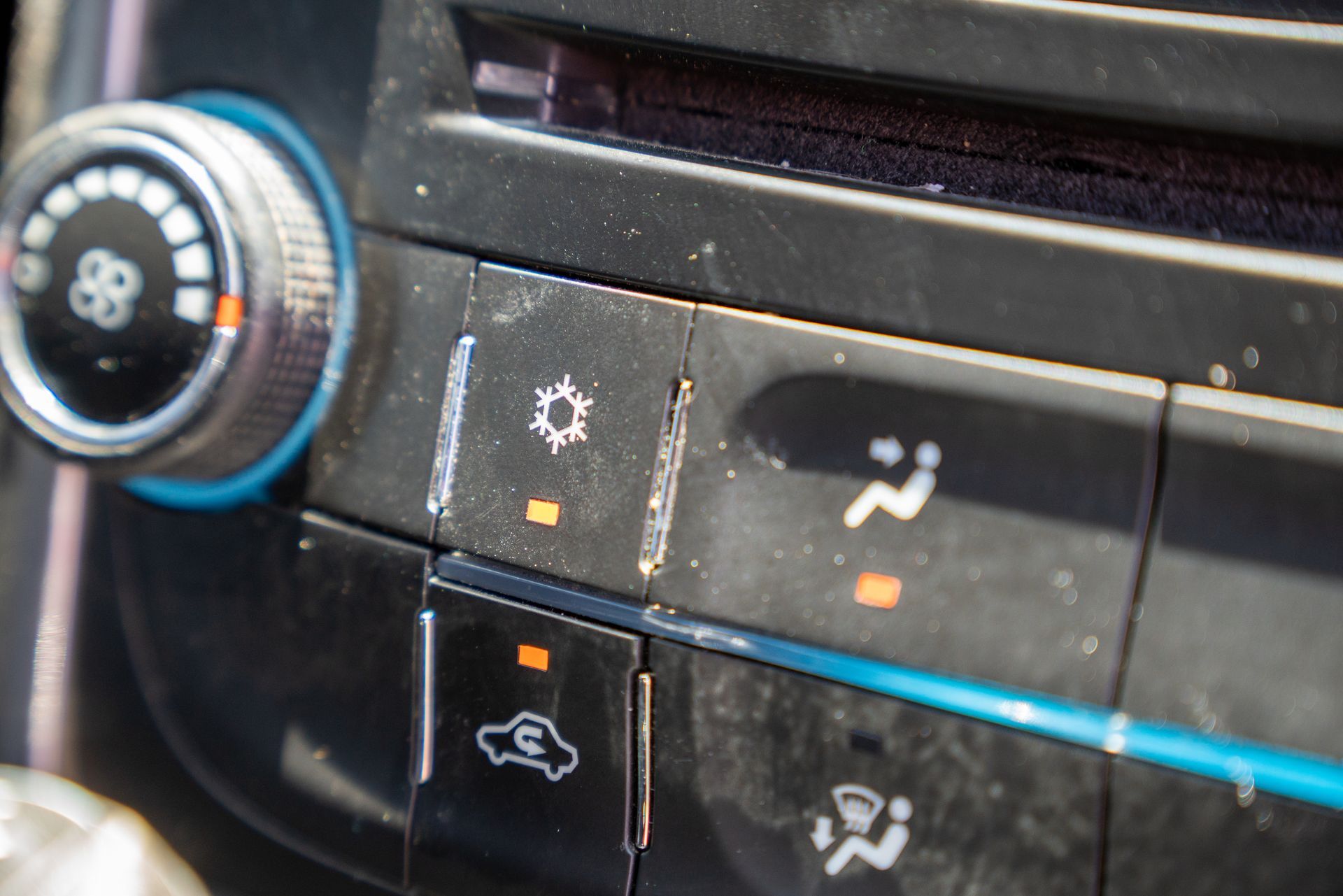
If your car AC smells musty when you turn it on, moisture may be trapped inside the AC system. That moisture can lead to mold, mildew, or other buildup that causes a bad smell from the vents.
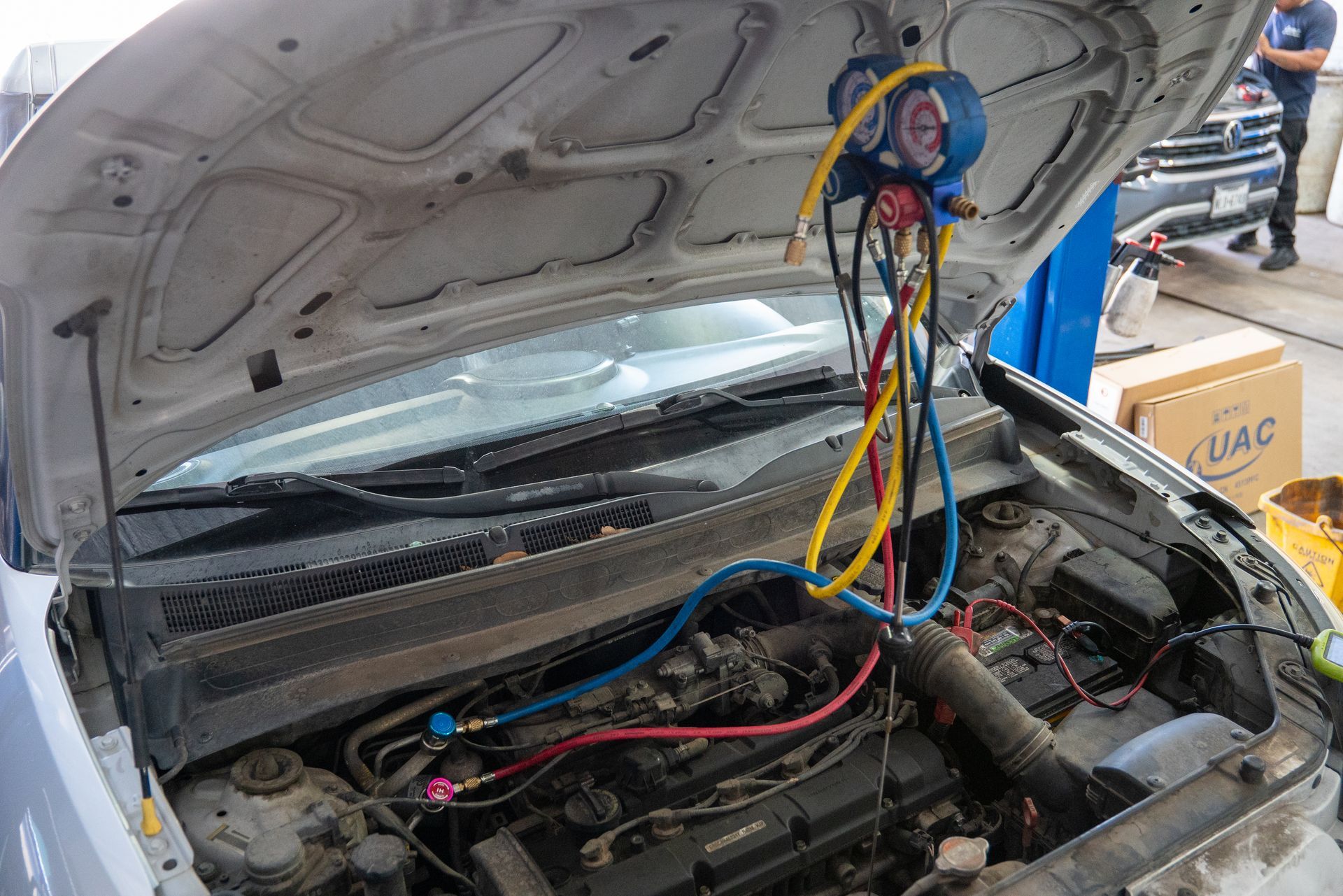
If you smell burning oil while driving , your vehicle may have an oil leak.
Ensure top performance with scheduled maintenance at David's Automotive Repair in The Colony, TX. Expert auto care you can trust. Schedule an appointment now!
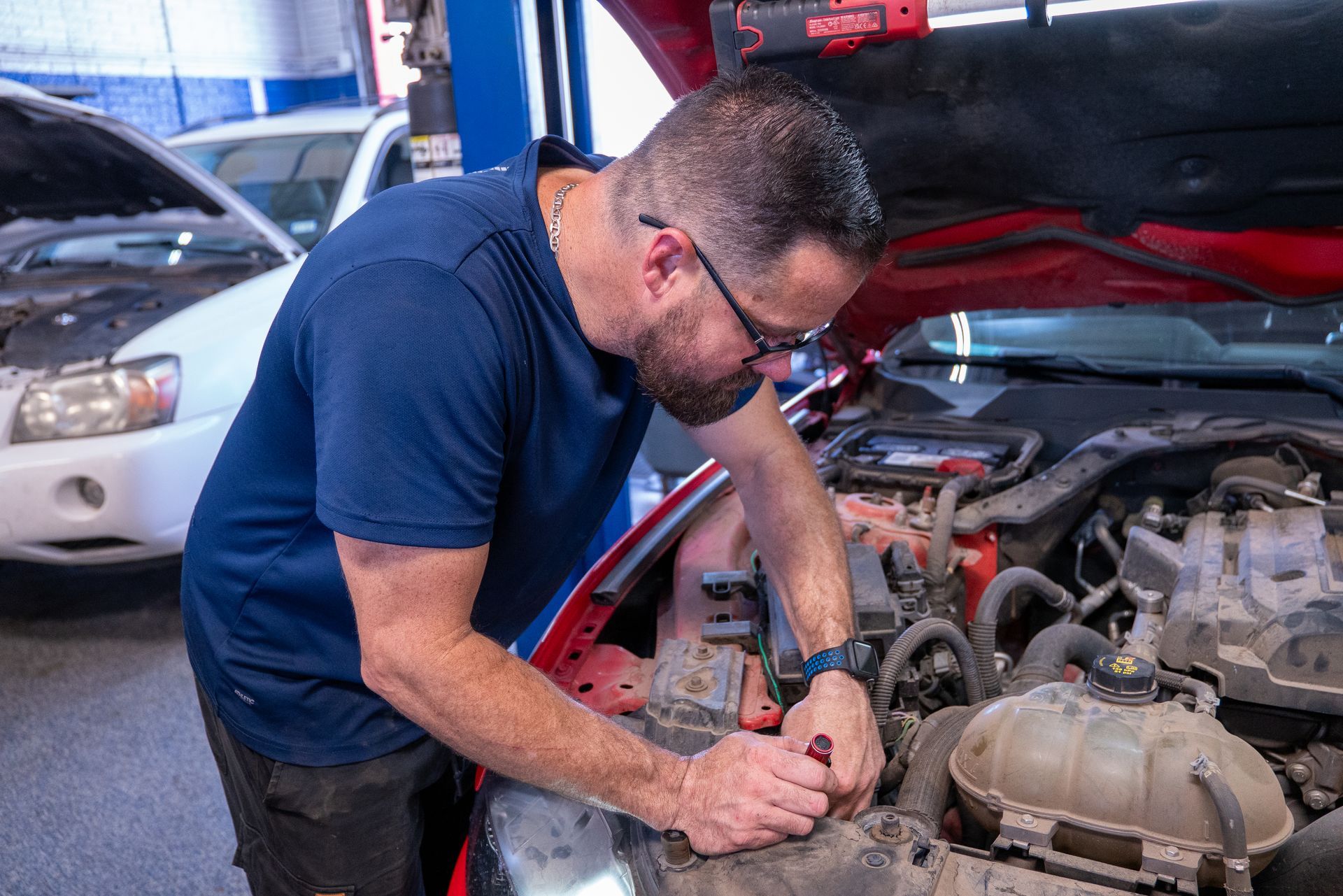
If your car hesitates when you accelerate, it may feel like the engine pauses before it picks up speed. You may also notice a lack of power, shaking, or a small jerk when you press the gas pedal.

Your Check Engine Light can come on even when your car seems to run fine .
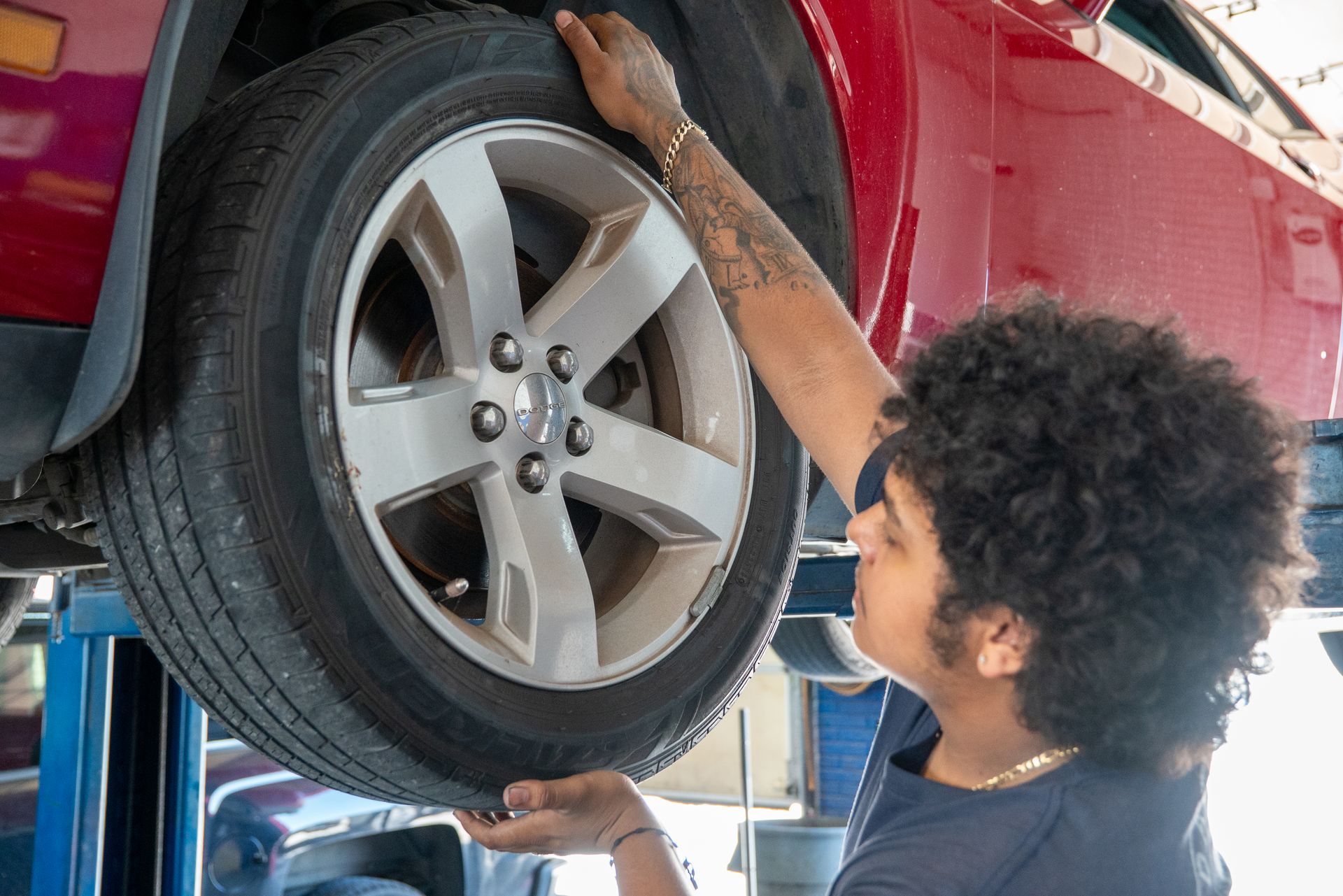
Yes. A bad wheel bearing can make a humming or growling sound that is easy to mistake for tire noise. The sound may start out quiet and get louder as you drive faster.
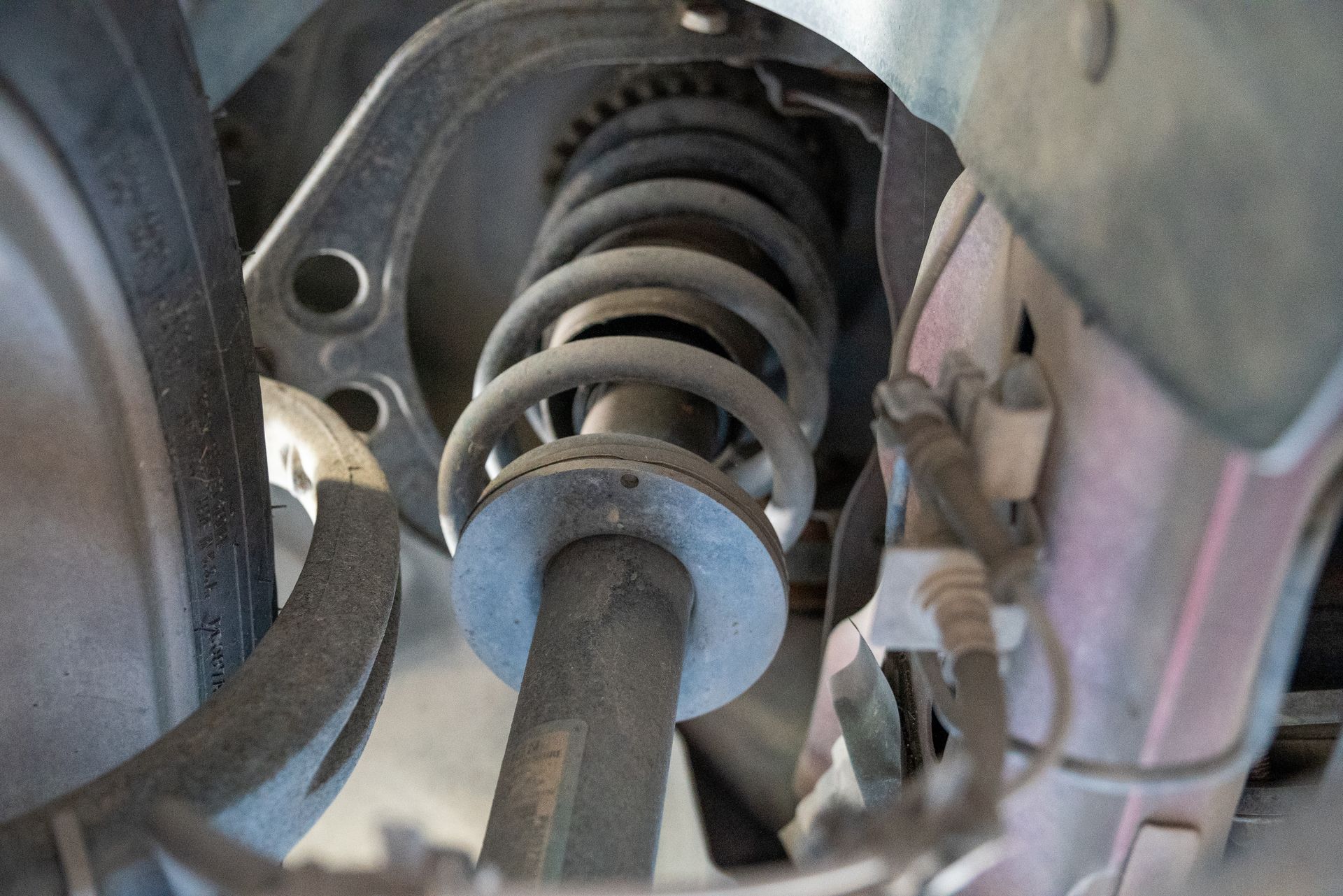
Your vehicle should not make a loud clunk each time you hit a bump. If you hear a clunking noise over bumps, there may be a worn or loose part in the suspension or steering system.
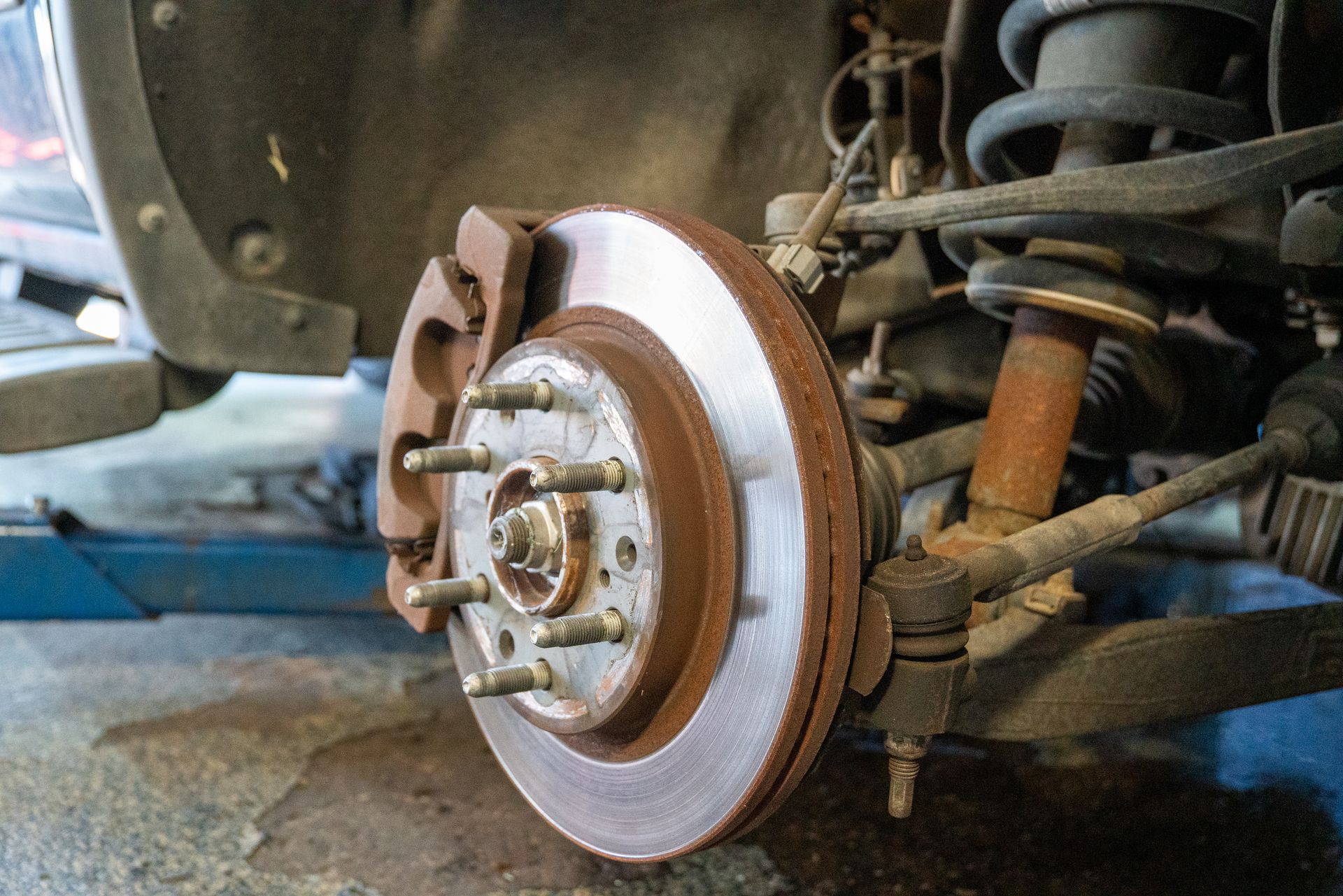
Your vehicle should stay straight when you press the brake pedal. If your car pulls left or right when braking, there may be a problem with the brakes, tires, or suspension.
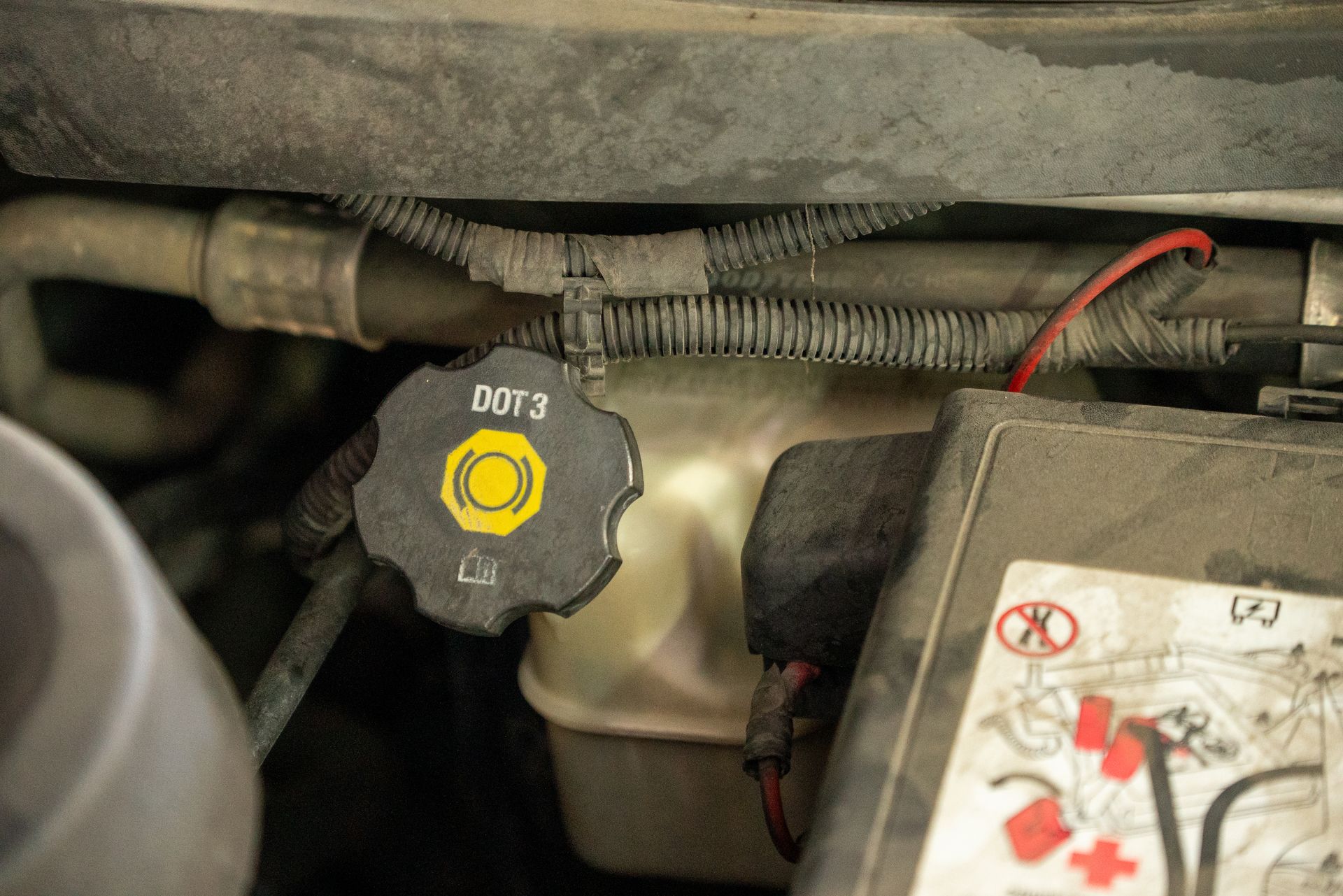
When people think about brake service, they usually think about brake pads or rotors. One part that often gets overlooked is the brake fluid.