Fluid Dynamics: Quenching Your Car's Thirst for Health and Performance
Have you ever wondered what keeps your car running smoothly?
It's not just the engine and tires—there's a whole system of fluids working behind the scenes to keep everything in top shape.
At David's Automotive Repair, we're here to explain why these fluids are so crucial and how they can affect your car's performance.
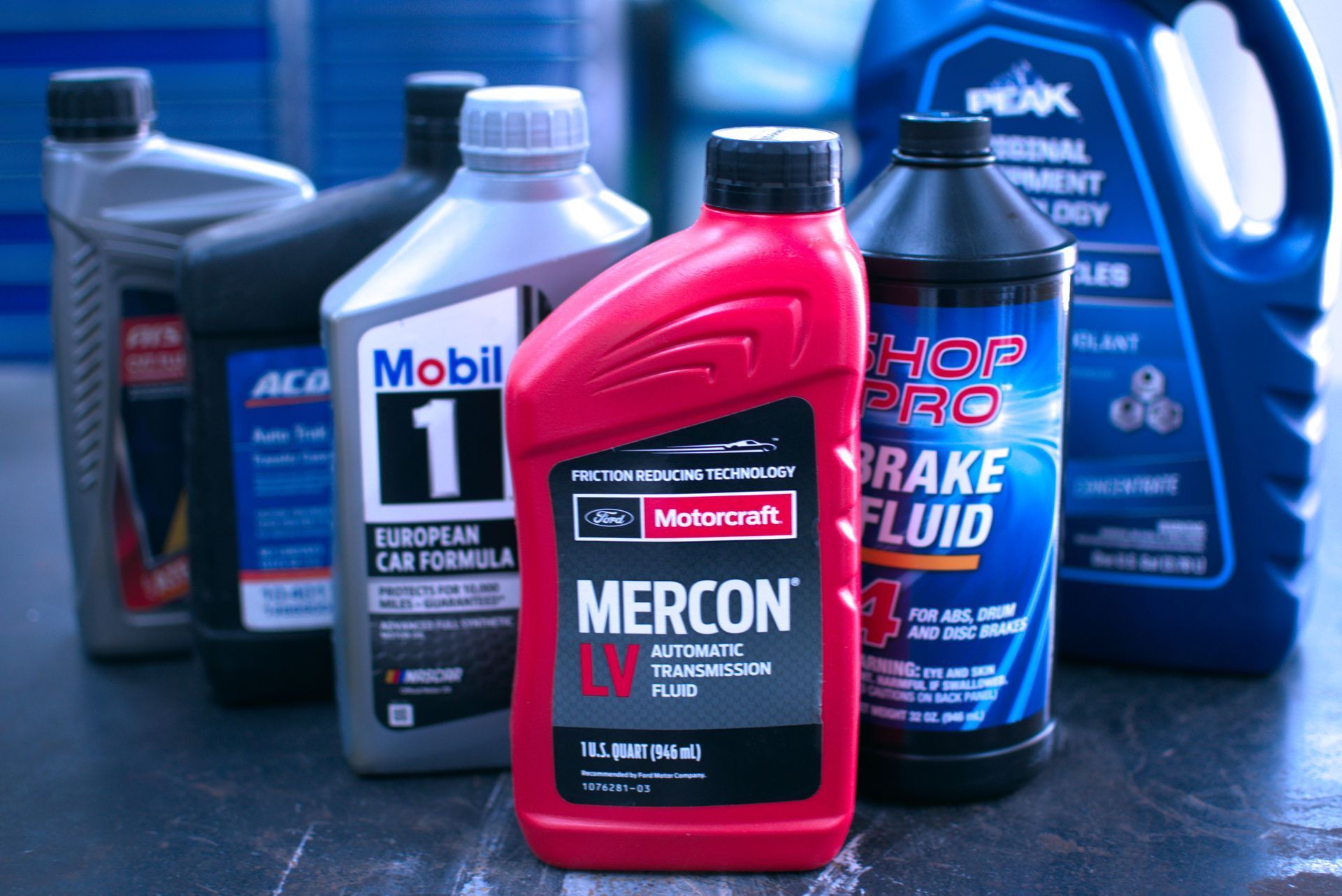
Engine Oil:
Engine oil is like the lifeblood of your engine, keeping all its moving parts lubricated and protected. There are different types of engine oil:
-
Conventional Oil:
This is the traditional oil refined from crude oil. It's suitable for many older engines and offers basic protection.
-
Synthetic Blend
: A mix of conventional and synthetic oils, offering some benefits of synthetic oil at a lower cost.
-
Full Synthetic
: Engineered for modern engines, providing superior lubrication, performance in extreme temperatures, and longer intervals between changes.
Choosing the right oil depends on your car's age, driving conditions, and manufacturer recommendations. Using the wrong type or mixing different oils can reduce efficiency and potentially damage your engine over time.
Coolant:
Coolant circulates through your engine to regulate temperature and prevent freezing or overheating. Mixing different types of coolant can cause chemical reactions that lead to corrosion and cooling system damage. It's important to use the coolant specified by your vehicle manufacturer and to flush and replace it at recommended intervals.
Transmission Fluid:
Transmission fluid lubricates and cools the gears in your transmission system. Mixing different types of transmission fluid, like ATF and MTF, can compromise performance and lead to transmission problems. Each type of transmission fluid is formulated for specific transmission designs and operating conditions, so it's essential to use the correct fluid and change it according to your car's maintenance schedule.
Brake Fluid:
Brake fluid transmits force from the brake pedal to the brake components. Mixing different types of brake fluid can lead to reduced braking performance and corrosion within the brake system. Always use the type of brake fluid recommended by your vehicle manufacturer and replace it as recommended to maintain safe braking.
Power Steering Fluid:
Power steering fluid assists in turning the steering wheel smoothly. Mixing different types of power steering fluid can cause damage to the power steering system components, affecting steering performance and reliability. Stick to the fluid specified in your owner's manual and keep it at the proper level for optimal steering control.
Gear Oil:
Gear oil is used in manual transmissions, transfer cases, and differentials to lubricate and protect the gears from wear and overheating. Using the wrong type of gear oil or mixing different viscosities can lead to gear and bearing wear, reduced performance, and potential mechanical failures. It's crucial to use the gear oil recommended by your vehicle manufacturer and replace it according to the maintenance schedule.
Each of these fluids is essential for your car's performance and longevity. Regular maintenance, including fluid checks and changes, ensures your vehicle operates efficiently and safely. At David's Automotive Repair, we're dedicated to helping you understand and maintain your car's fluid systems. If you have any questions or need assistance with your vehicle's fluids, feel free to contact us. We're here to keep your car running smoothly and reliably for years to come!
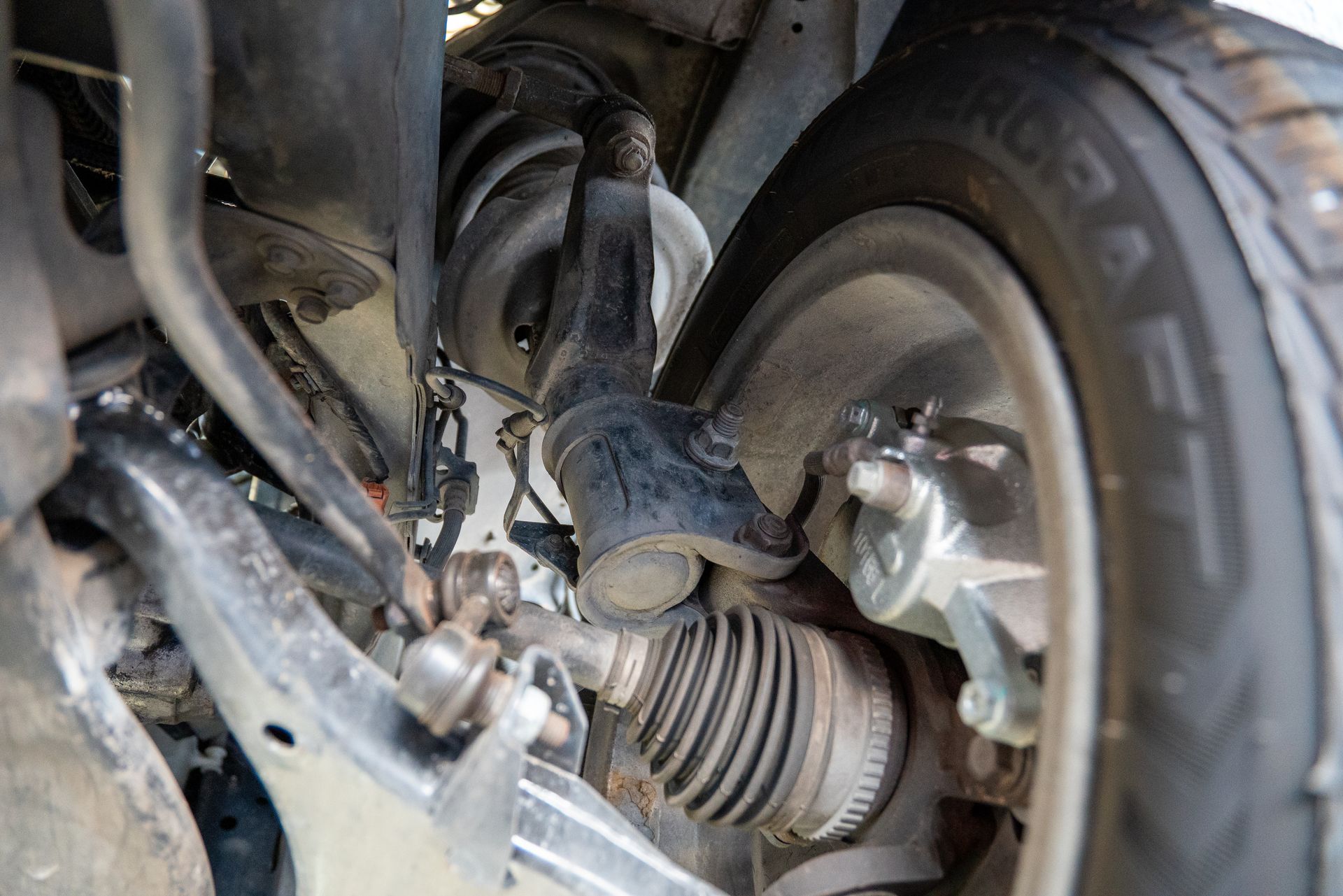
If your steering feels loose or your car wanders on the road, there may be wear in the steering or suspension system. You may feel like you have to keep moving the steering wheel just to stay in your lane.
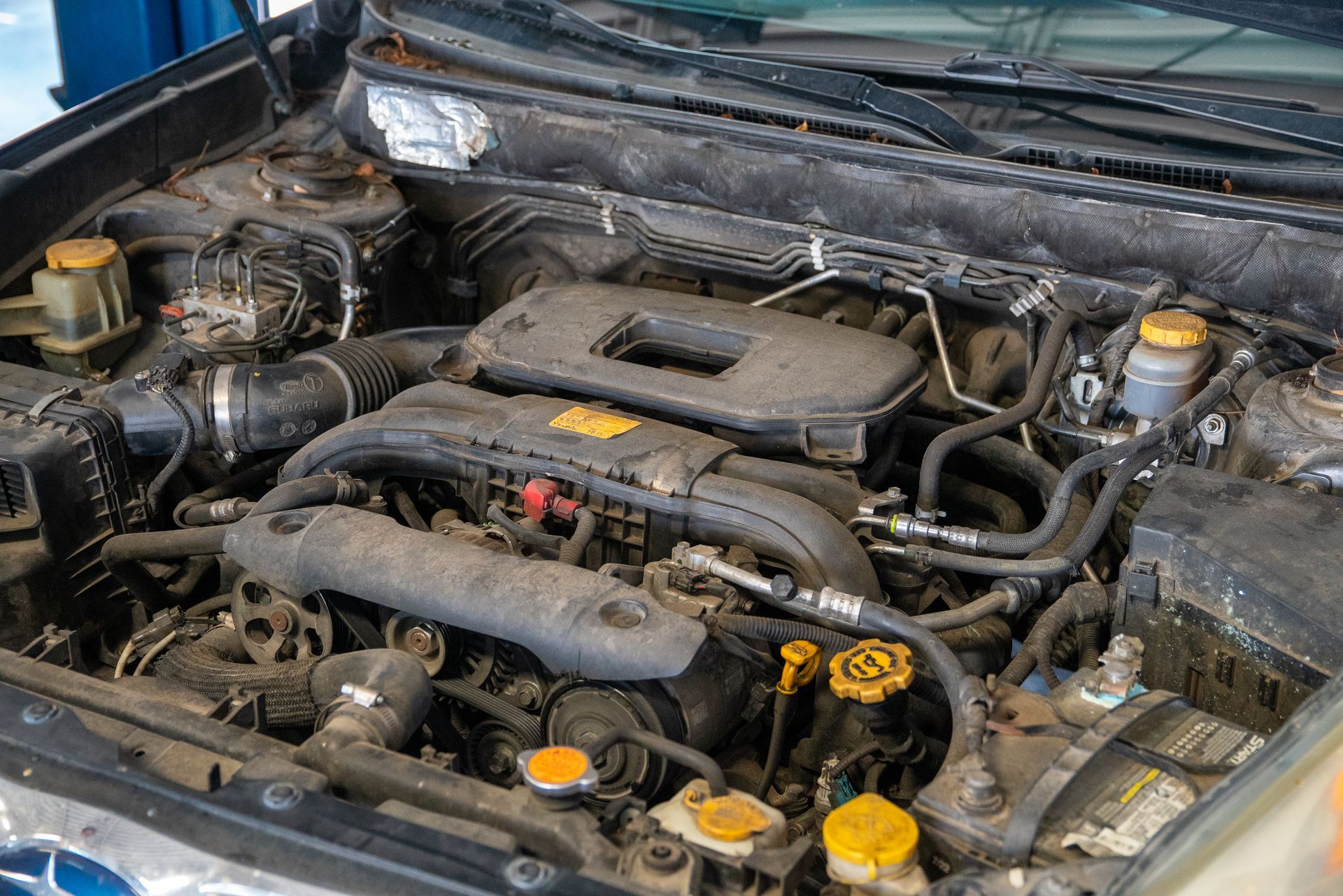
If your car stalls at stoplights but runs while you are driving, the engine may be having trouble staying running at idle. The cause could be an air, fuel, ignition, or electrical problem.
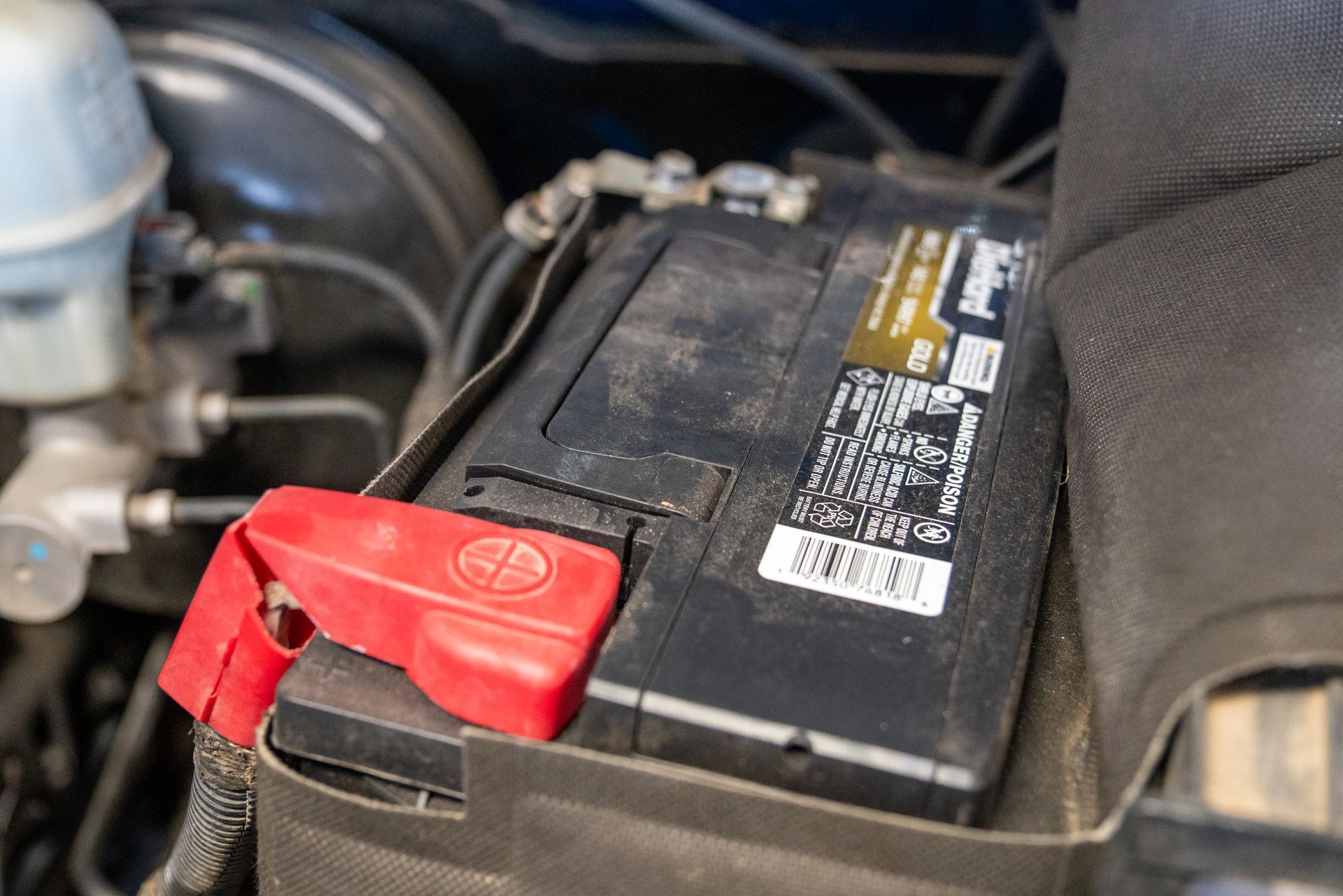
Yes. A weak battery can cause warning lights, slow starting, flickering lights, and other strange electrical problems. Modern vehicles use many computers, and those computers need steady voltage to work the right way.
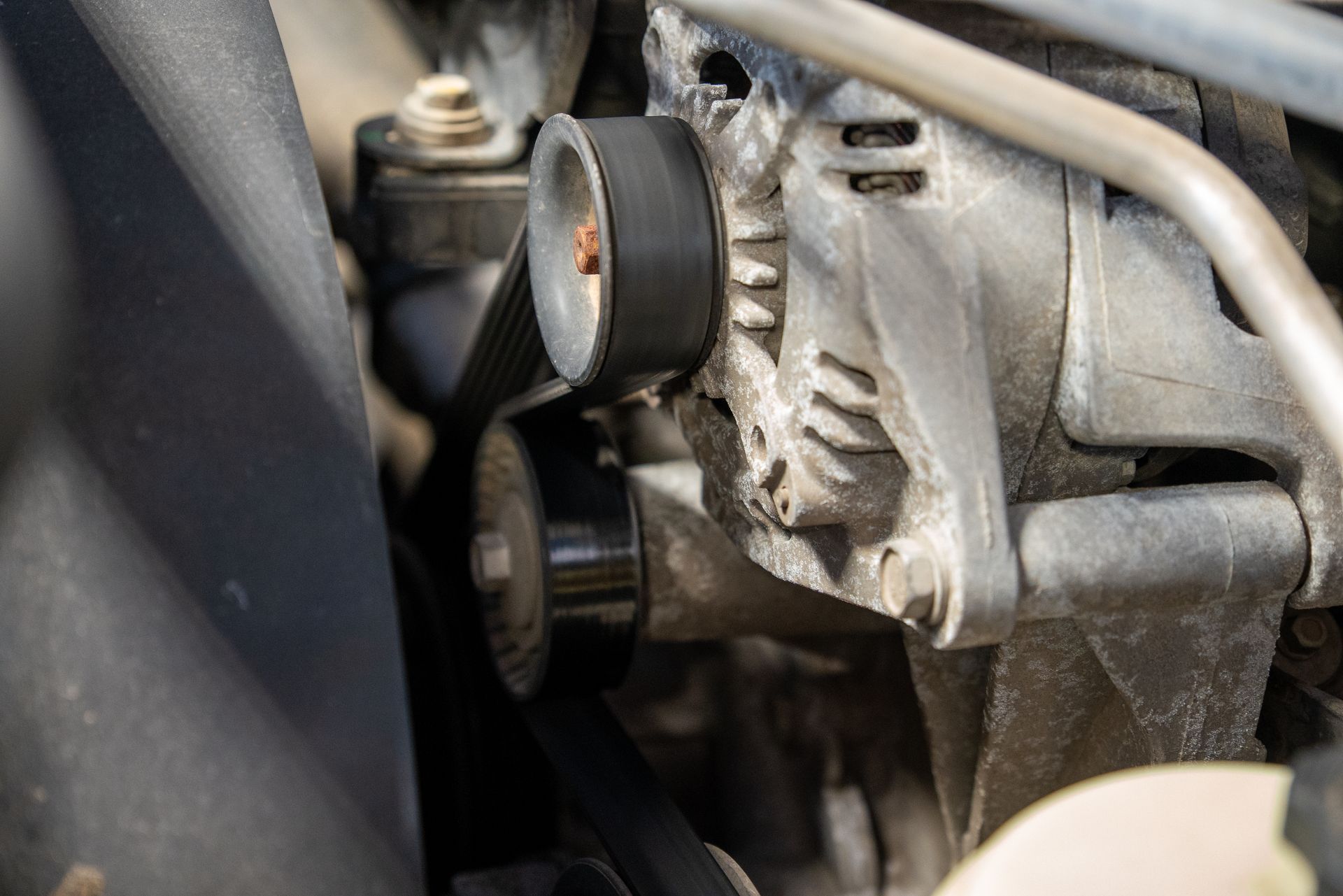
If your car squeals when you first start it, the noise may be coming from the serpentine belt or one of the parts that keeps the belt moving. The sound may last only a few seconds or continue until the engine warms up.
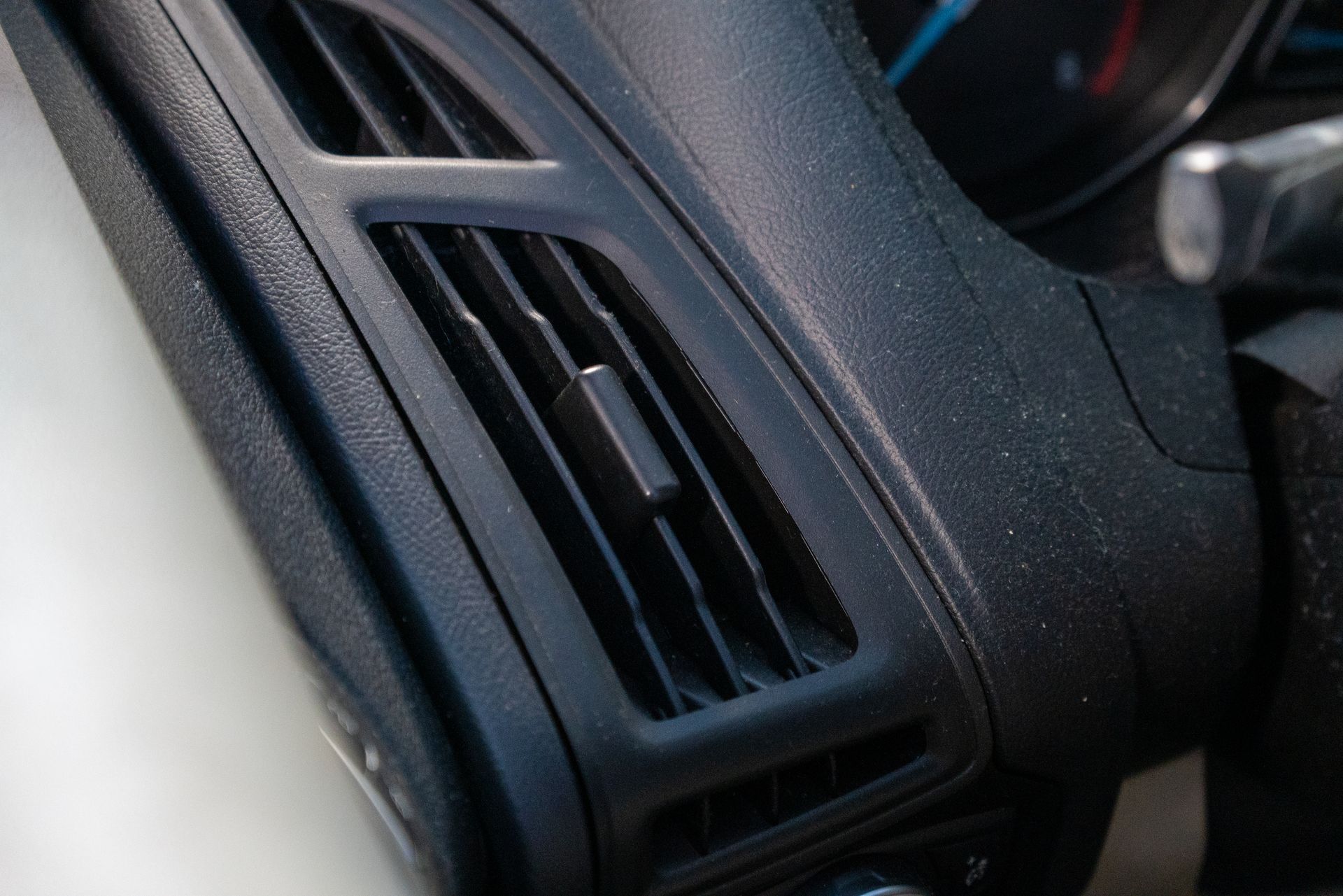
If your heater blows warm air on one side and cold air on the other, the HVAC system may not be directing air the right way. This is common on vehicles with dual-zone climate control, where the driver and passenger can choose different temperatures.
Discover the importance of alignments at David's Automotive Repair in The Colony, TX. Optimize your vehicle's performance. Call us today!
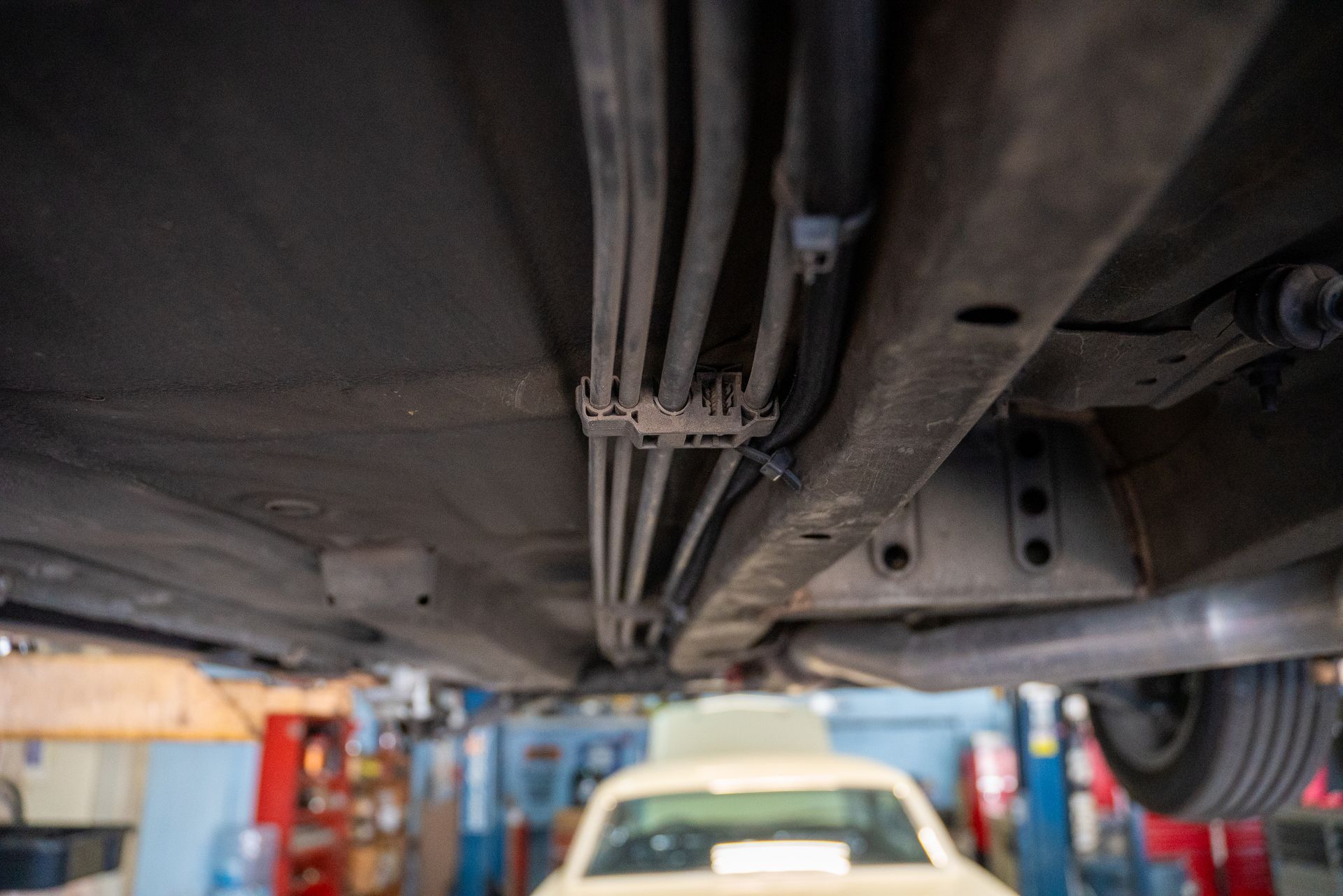
If your car smells like gas, take the odor seriously. A fuel smell can come from a fuel leak, EVAP system problem, loose gas cap, or another issue that lets fuel or fuel vapor escape.
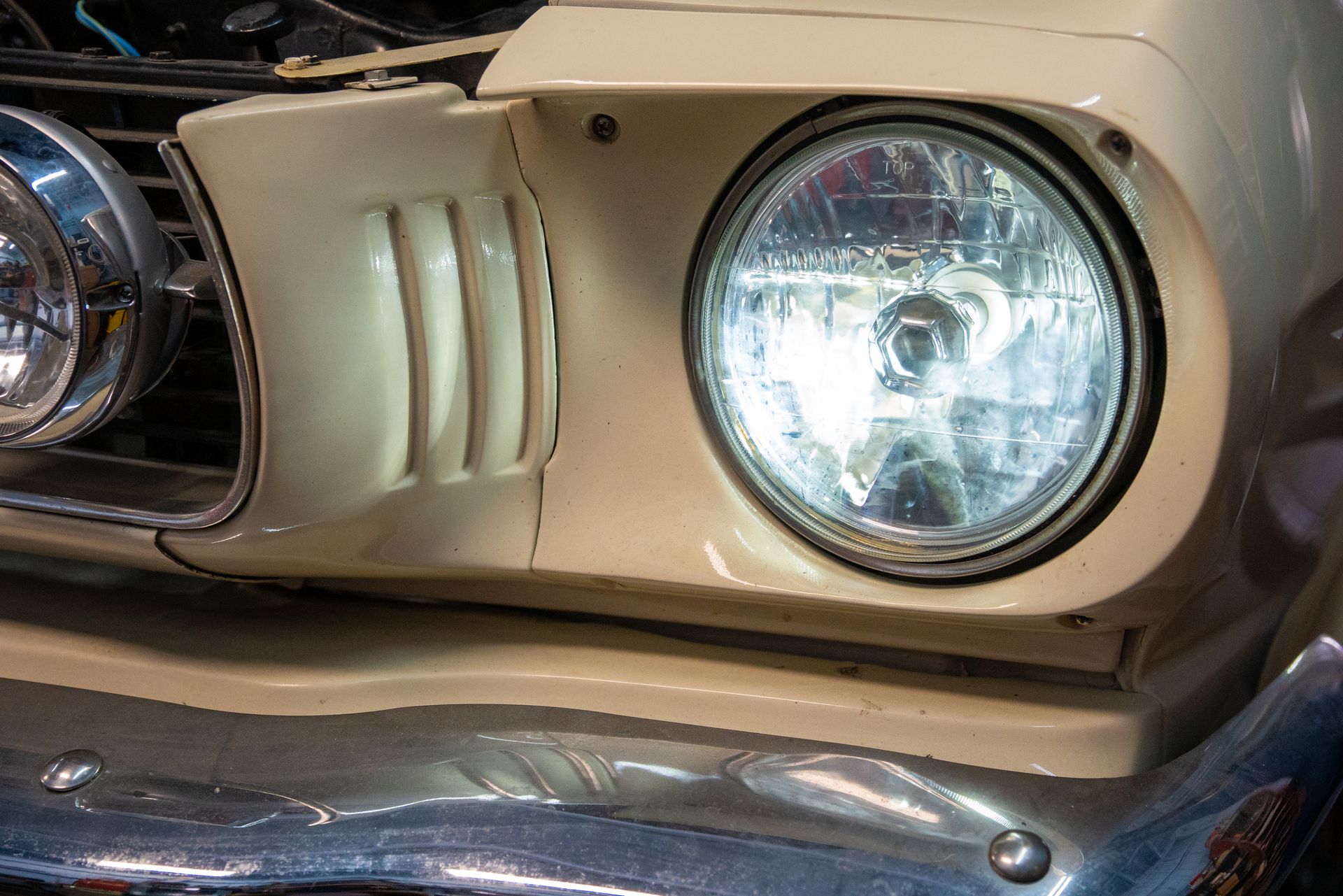
If your headlights dim when you stop at a red light, the charging system may need attention. You may notice the lights get brighter again when you press the gas or start moving.
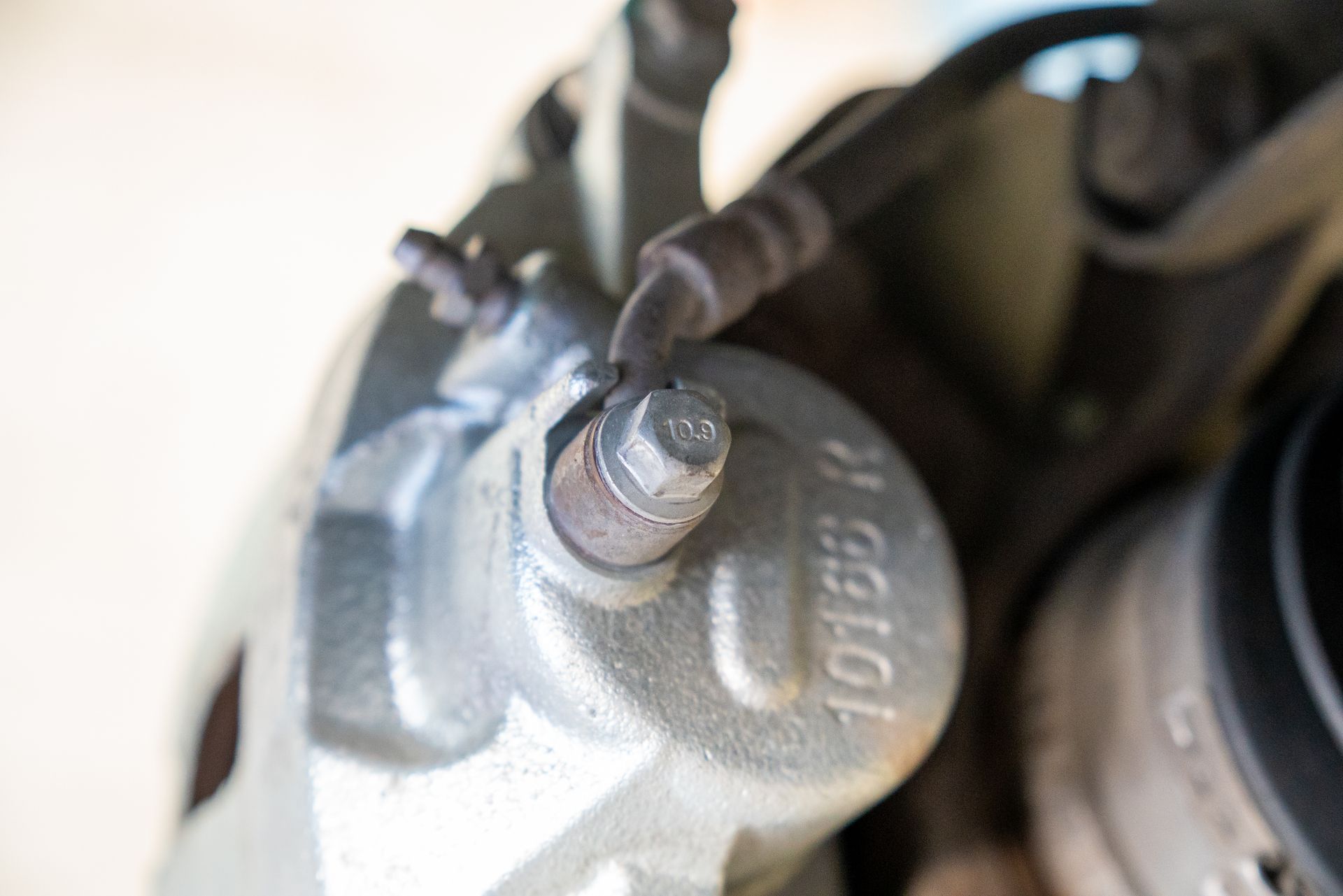
A soft or spongy brake pedal can mean there is a problem in the brake system. The pedal may feel like it sinks too far, feels weak, or does not give you the firm feel you expect when stopping.
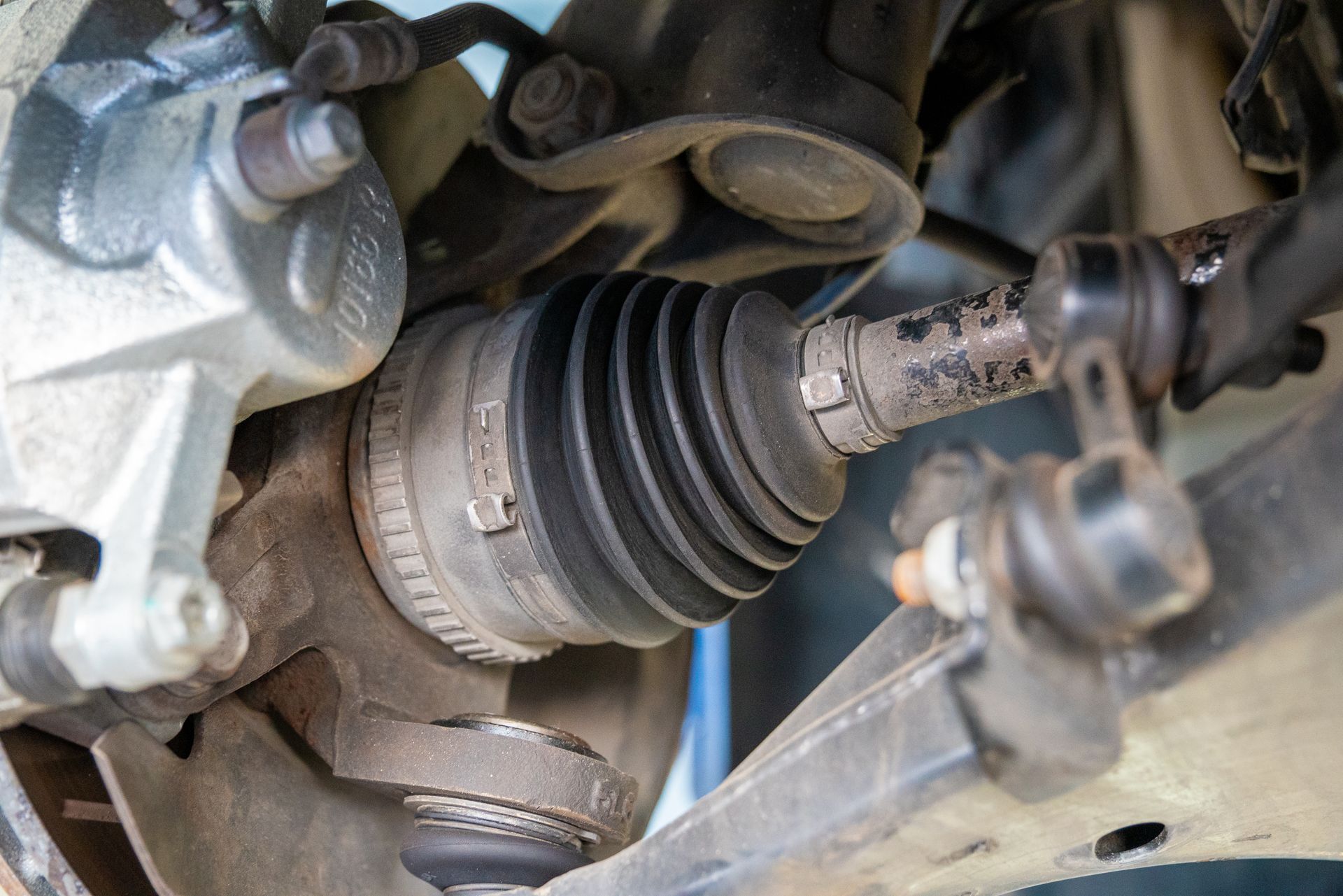
If you hear a clicking sound when you turn, a worn CV joint is one of the most common causes. The noise may be louder during a sharp turn, such as when you pull into a parking space or make a U-turn.