Stop Right There! Understanding How Your Brakes Work and Why They Matter
As a licensed driver, you already know that brakes are crucial for your car's operation.
They allow you to slow down, stop, and avoid hazards on the road. But have you ever thought about how brakes actually work and why they need regular maintenance?
Let’s dive into the mechanics of brakes and understand their importance for your safety and vehicle performance.

The How
When you press the brake pedal, it initiates the braking process by activating a hydraulic system. This system uses brake fluid to transmit the force from your foot to the brakes, similar to how pressing one end of a syringe pushes fluid out the other end. The brake fluid travels through the brake lines to the calipers, which squeeze the brake pads against the rotors—the round metal discs attached to your wheels. The friction between the pads and rotors slows down the wheels and stops the car. Some cars use drum brakes instead of disc brakes, where brake shoes press against a rotating drum to create the necessary friction to slow down the vehicle.
The Why
Brakes are essential for your safety and the safety of others on the road. They allow you to stop quickly in emergencies and avoid accidents. Reliable brakes are the difference between stopping safely at a red light and a potential collision. Effective brakes give you better control over your vehicle, allowing for more precise driving and making it easier to navigate through traffic and handle unexpected situations. Regular brake maintenance ensures your brakes remain effective, as worn-out brake pads, low brake fluid, or other issues can reduce braking performance and increase the risk of accidents.
Maintenance
If you hear squeaking or grinding when you brake, your brake pads may be worn and need replacement. A brake pedal that feels soft or goes down too easily could indicate a problem with your brake fluid or the hydraulic system. Vibrations when braking can signal uneven rotors that may need replacement. If your car takes longer to stop than usual, your brakes might require attention.
Understanding how your brakes work and maintaining them properly is key to safe driving. Regular brake inspections and timely repairs can prevent accidents and ensure your car performs at its best. If you notice any warning signs of brake issues, don’t hesitate to get them checked by a professional.
Contact Us
If you have concerns about your brakes or need a thorough inspection, visit us at David's Automotive Repair in The Colony, TX. Our expert technicians are here to help you keep your vehicle safe and reliable. Stay safe on the road!
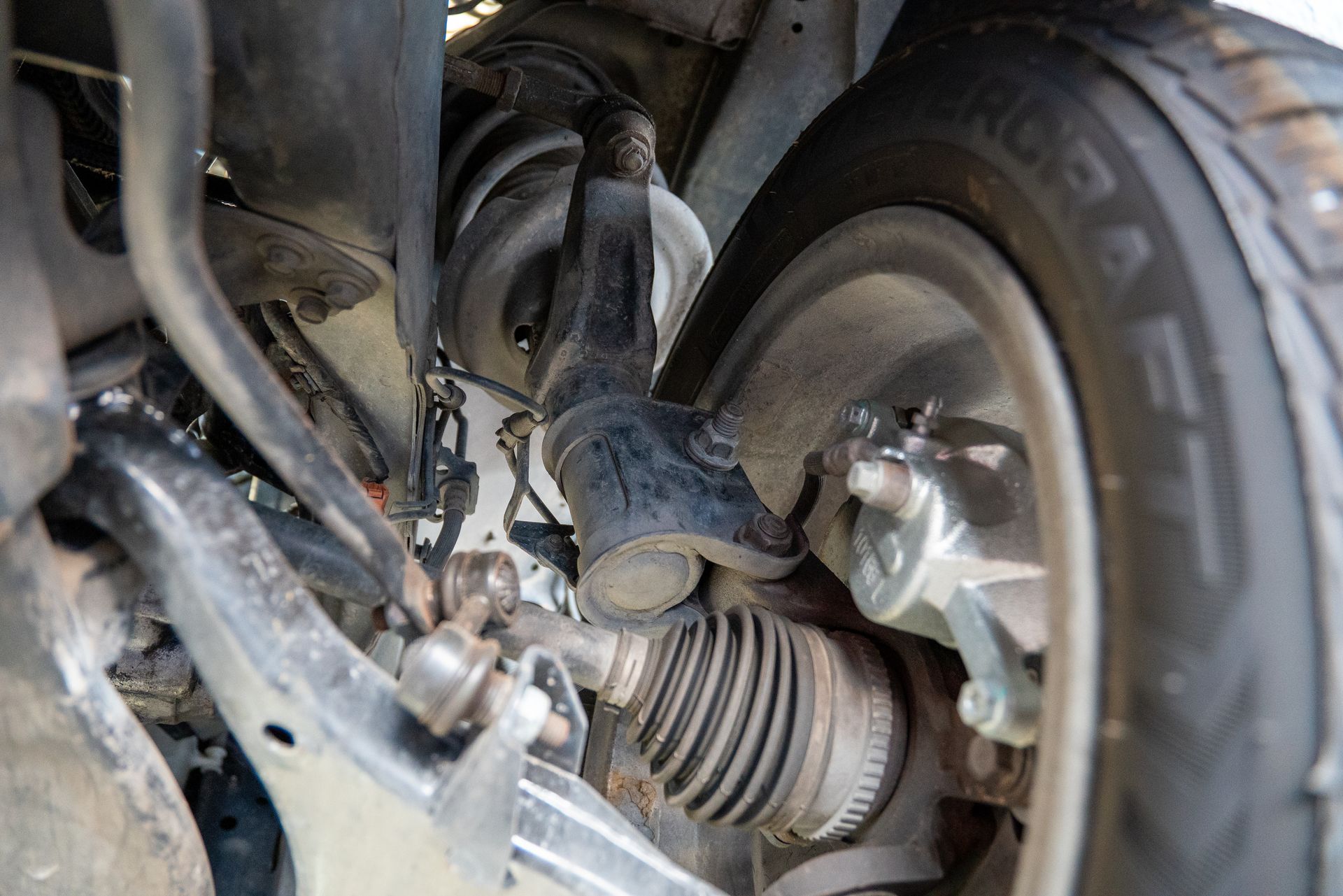
If your steering feels loose or your car wanders on the road, there may be wear in the steering or suspension system. You may feel like you have to keep moving the steering wheel just to stay in your lane.
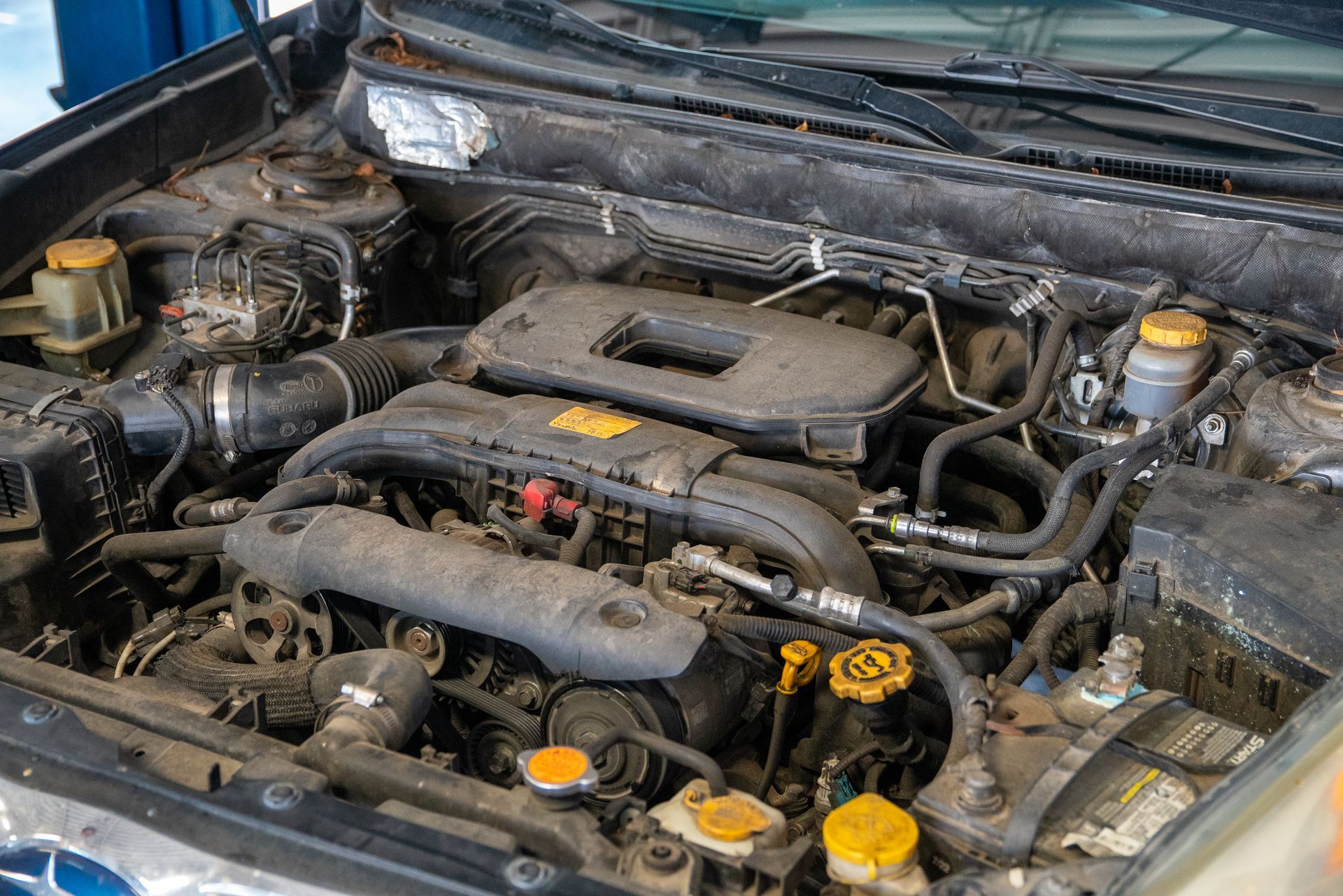
If your car stalls at stoplights but runs while you are driving, the engine may be having trouble staying running at idle. The cause could be an air, fuel, ignition, or electrical problem.
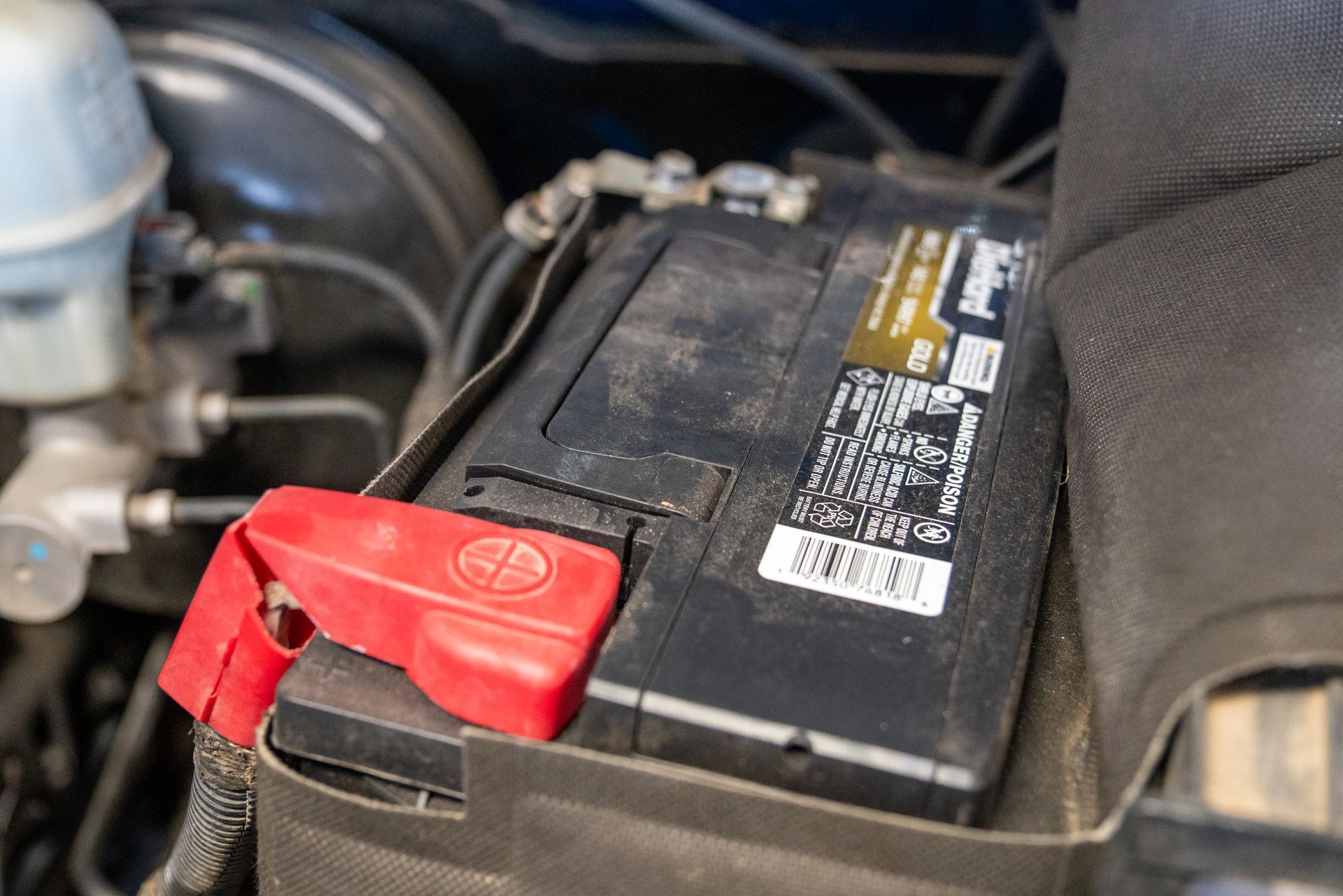
Yes. A weak battery can cause warning lights, slow starting, flickering lights, and other strange electrical problems. Modern vehicles use many computers, and those computers need steady voltage to work the right way.
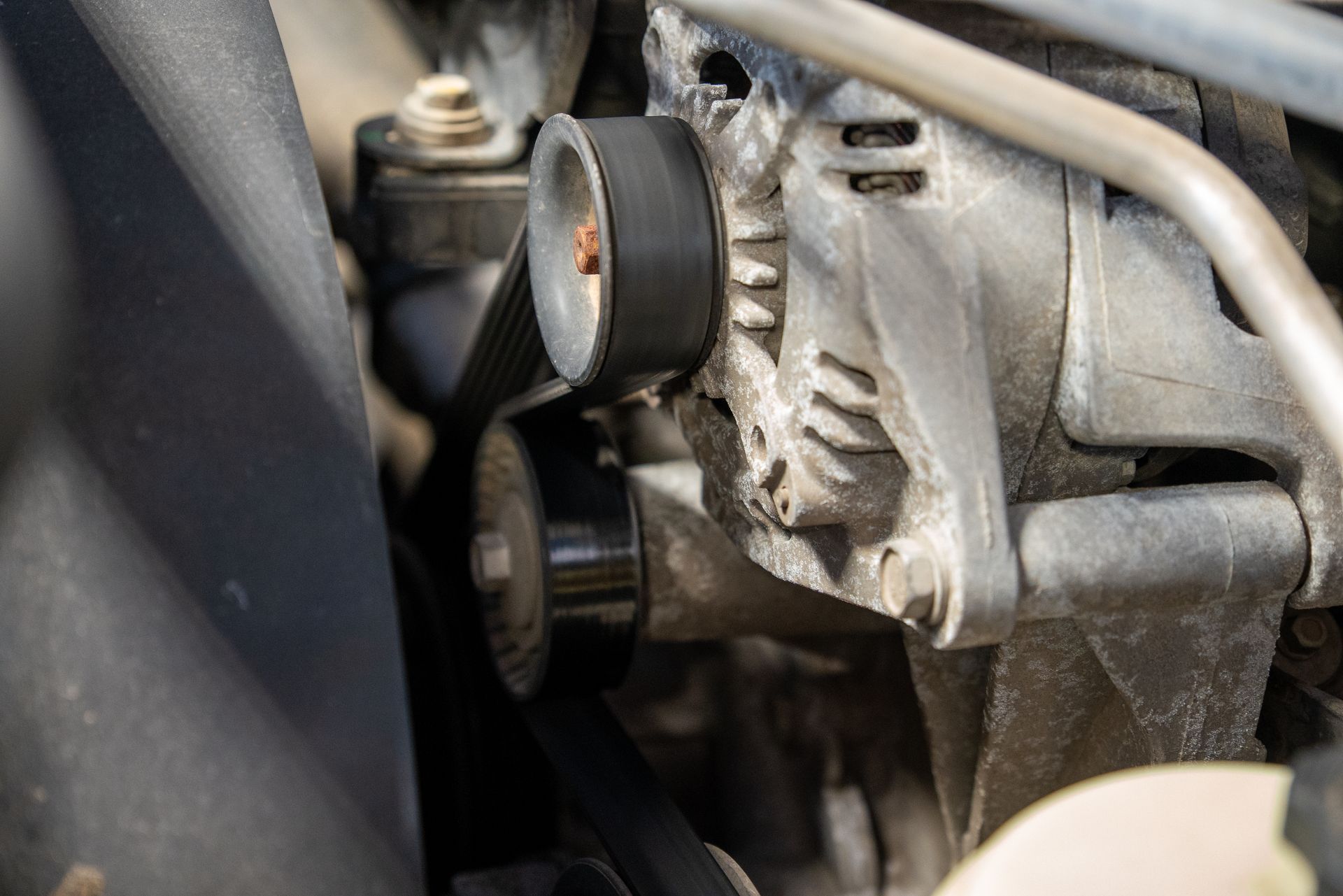
If your car squeals when you first start it, the noise may be coming from the serpentine belt or one of the parts that keeps the belt moving. The sound may last only a few seconds or continue until the engine warms up.
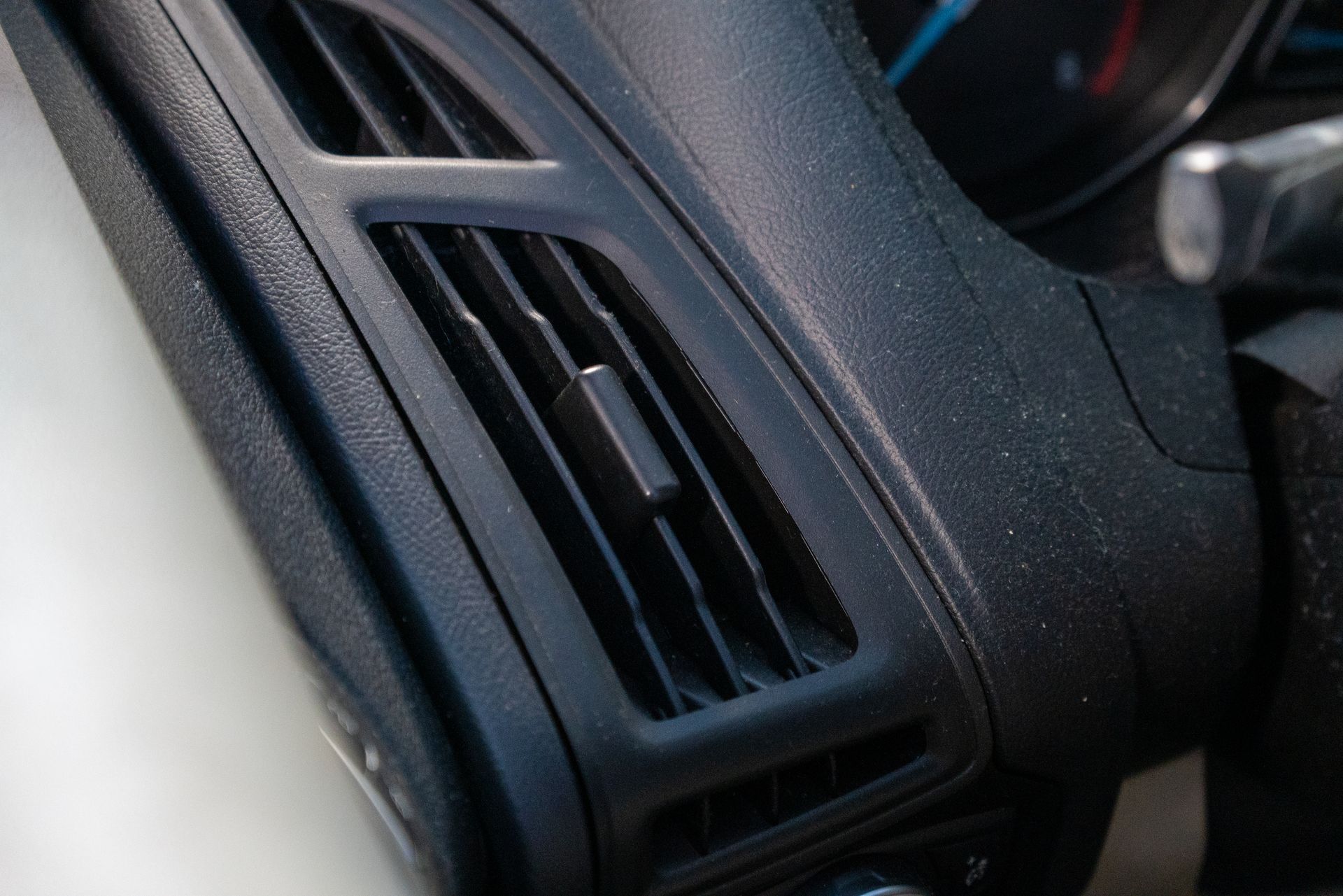
If your heater blows warm air on one side and cold air on the other, the HVAC system may not be directing air the right way. This is common on vehicles with dual-zone climate control, where the driver and passenger can choose different temperatures.
Discover the importance of alignments at David's Automotive Repair in The Colony, TX. Optimize your vehicle's performance. Call us today!
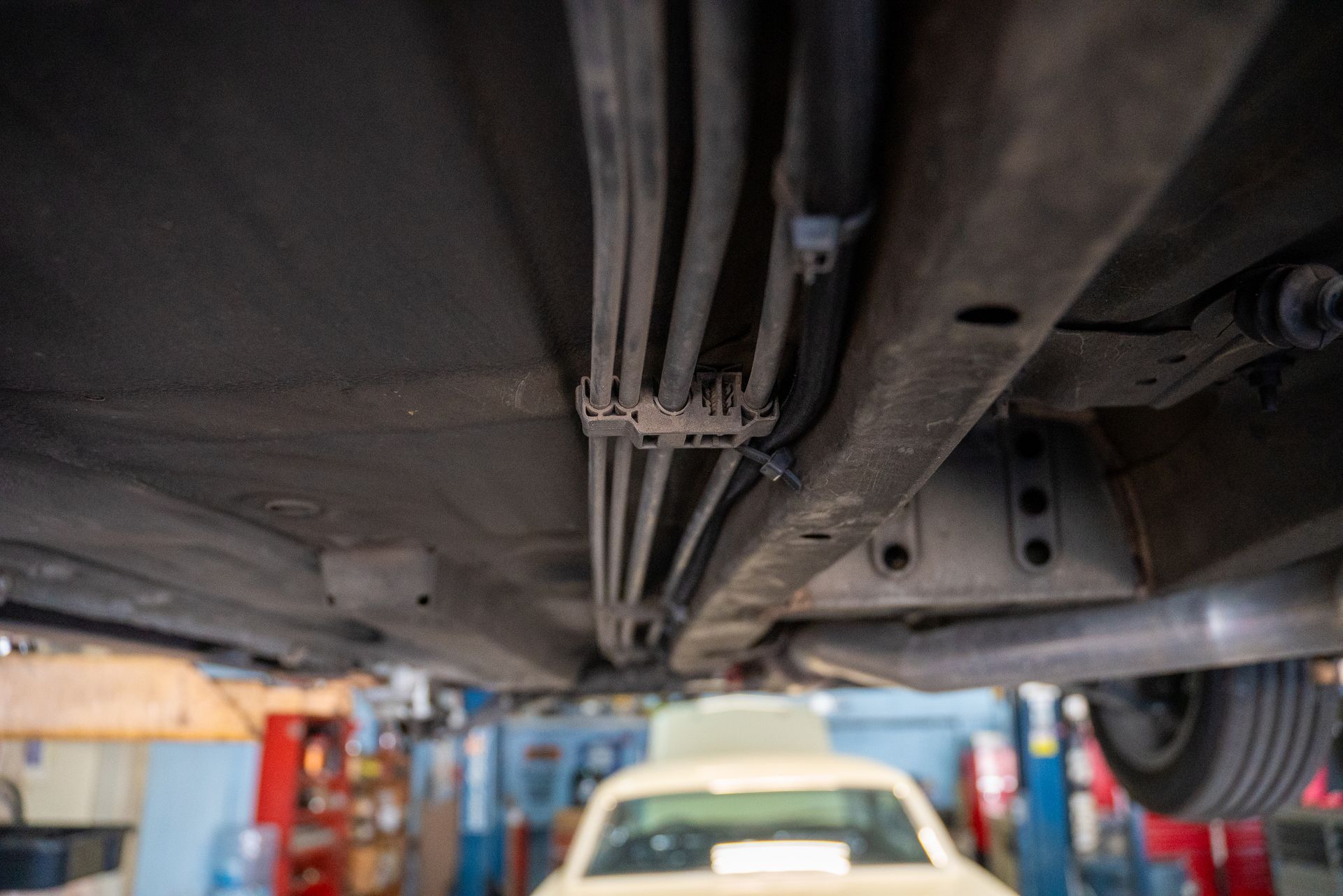
If your car smells like gas, take the odor seriously. A fuel smell can come from a fuel leak, EVAP system problem, loose gas cap, or another issue that lets fuel or fuel vapor escape.
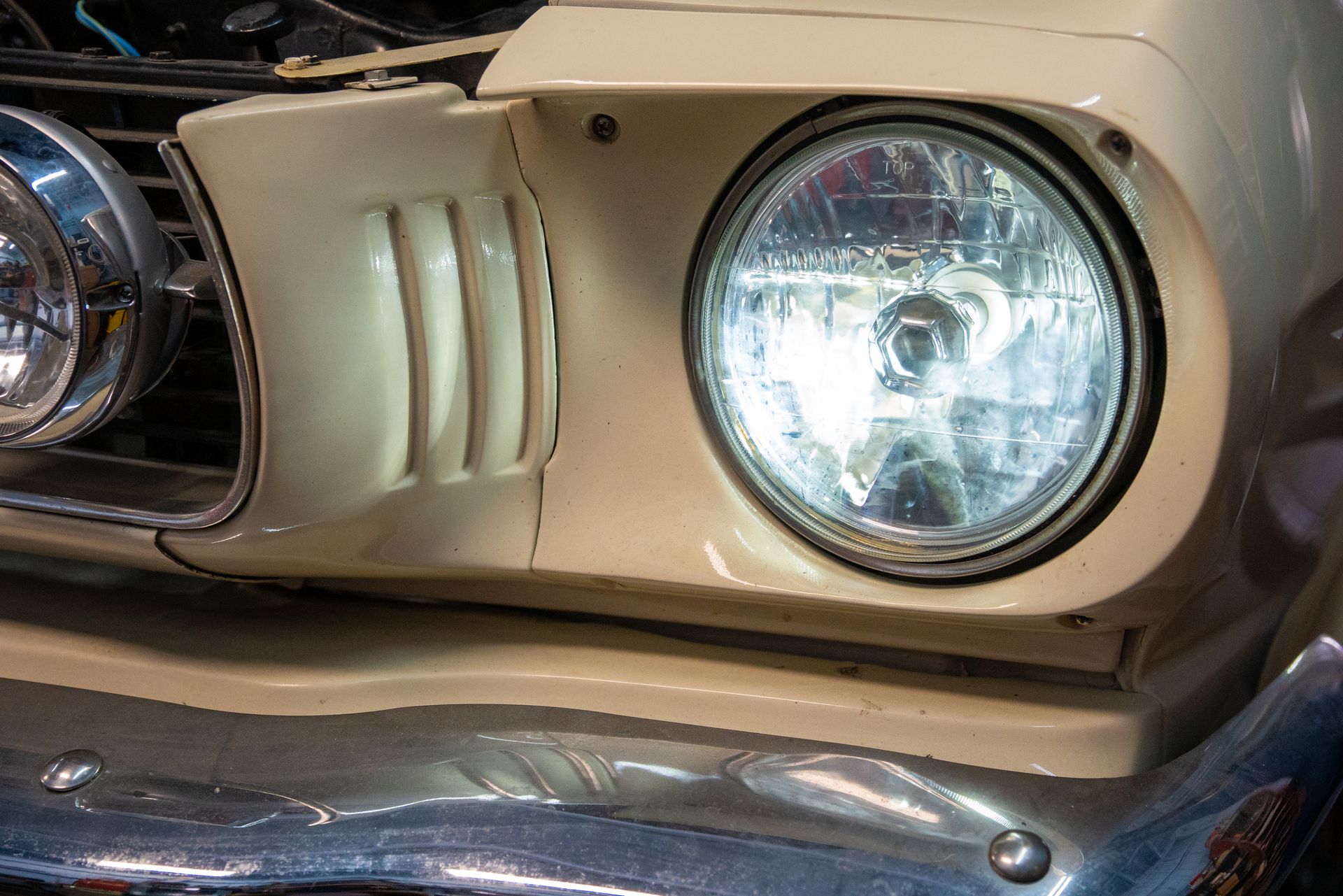
If your headlights dim when you stop at a red light, the charging system may need attention. You may notice the lights get brighter again when you press the gas or start moving.
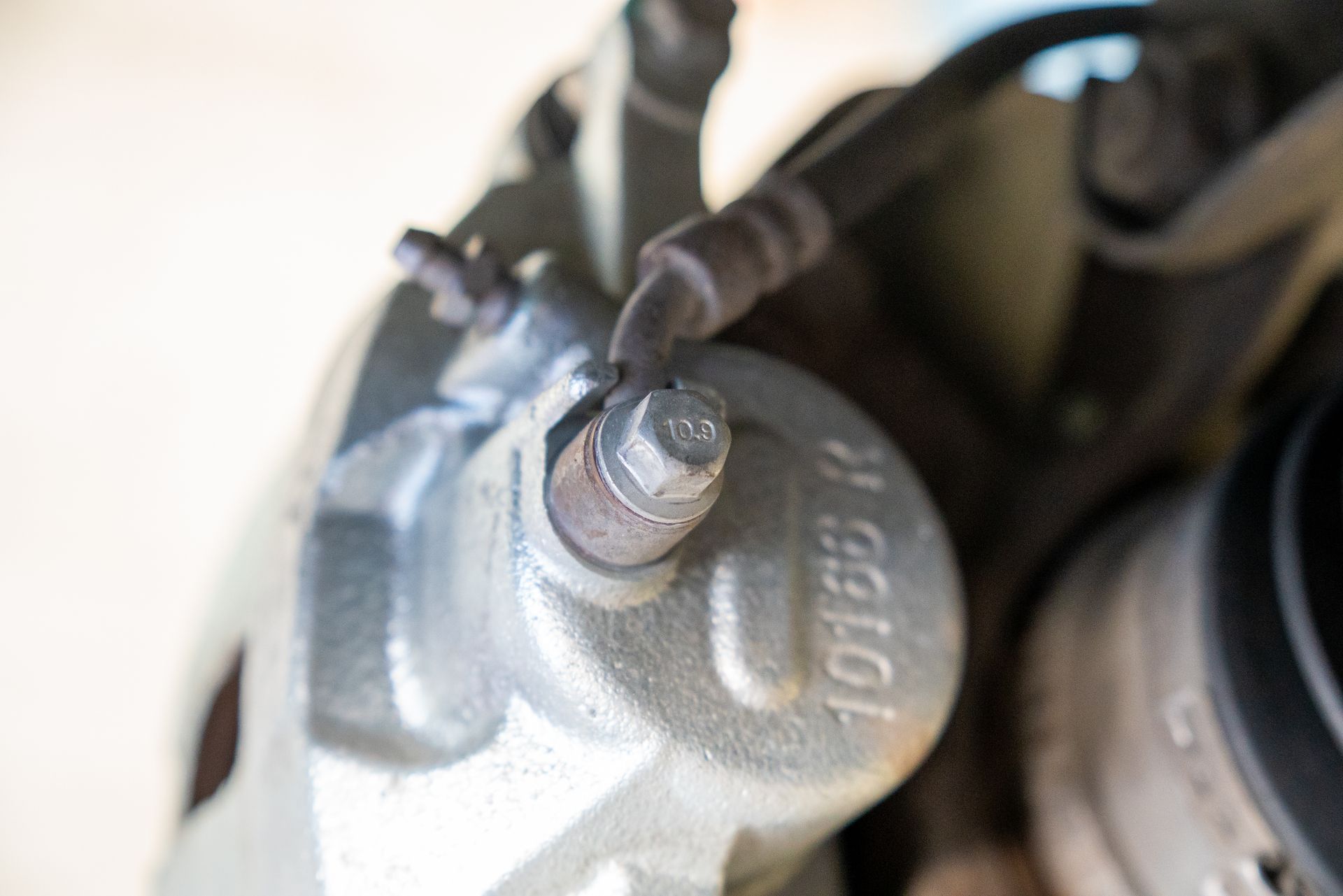
A soft or spongy brake pedal can mean there is a problem in the brake system. The pedal may feel like it sinks too far, feels weak, or does not give you the firm feel you expect when stopping.
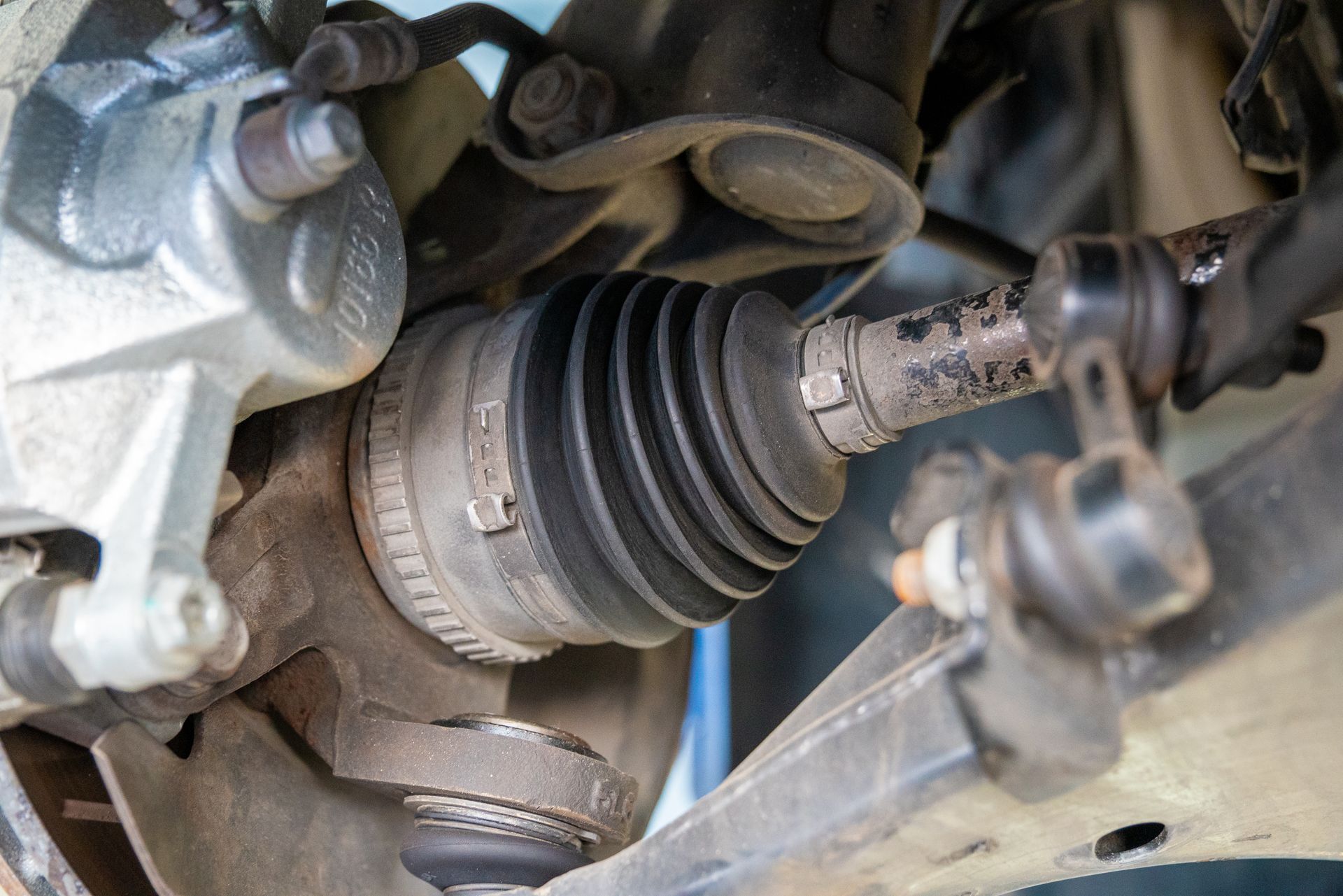
If you hear a clicking sound when you turn, a worn CV joint is one of the most common causes. The noise may be louder during a sharp turn, such as when you pull into a parking space or make a U-turn.