What to Do if Your Vehicle is Caught in a Flood
Floods can be scary and dangerous, especially if your car gets caught in one.
Whether you’re driving or your car is parked, it’s important to know what to do to stay safe and protect your vehicle. Here are some easy-to-follow instructions to help you out.
While Driving
1. Stay Calm and Find Higher Ground:
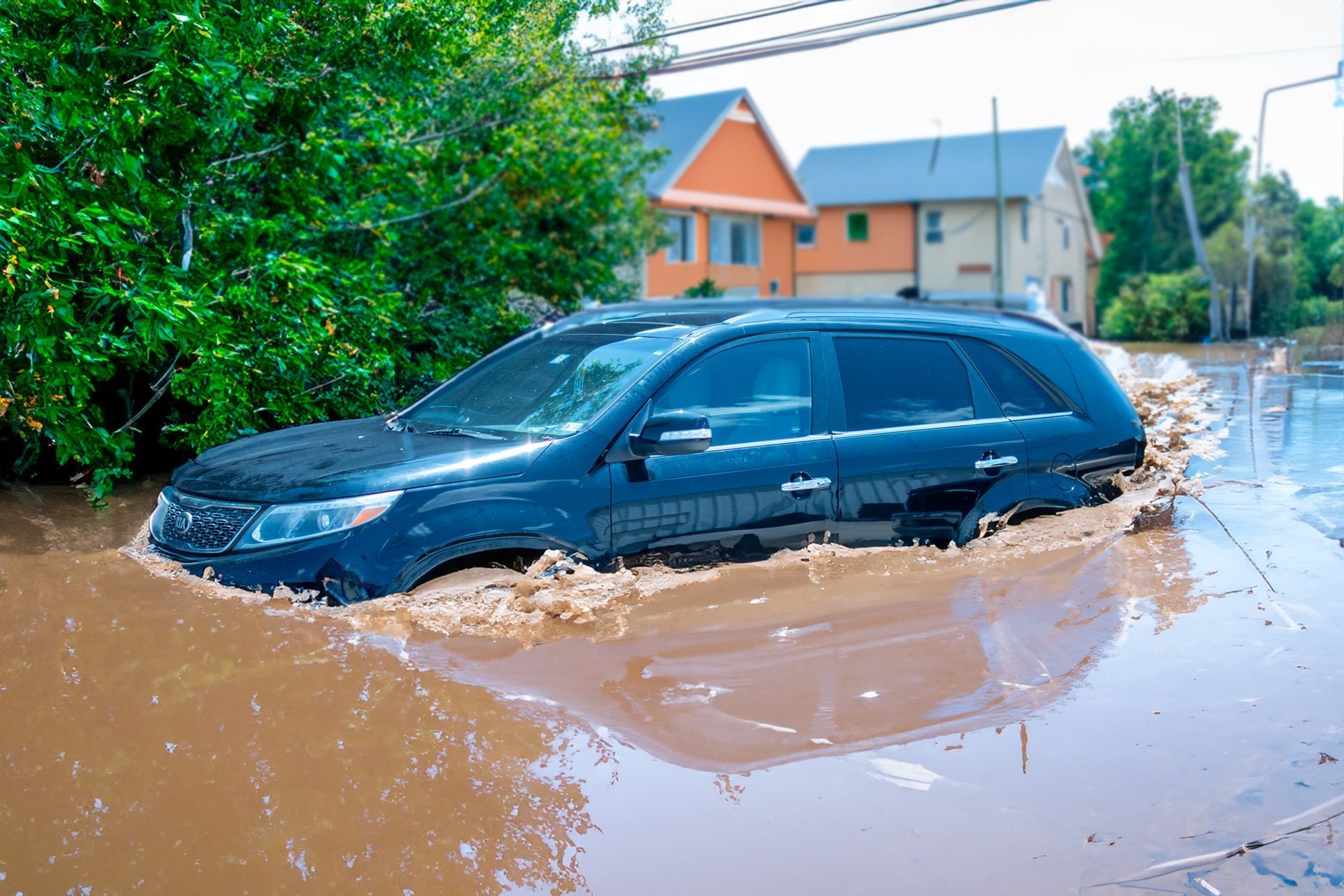
If you find yourself driving in a flood, stay calm. Look for higher ground and try to drive there. Avoid driving through deep water. Even a few inches of water can make you lose control of your car.
If you find yourself driving in a flood, stay calm. Look for higher ground and try to drive there. Avoid driving through deep water. Even a few inches of water can make you lose control of your car.
2. Don’t Drive Through Floodwater:
Never drive through floodwater, even if it looks shallow. Water can hide big potholes and other dangers. It can also damage your car’s engine and electrical system. Just six inches of water can make your car stall. Turn around and find another route. It’s better to be safe and take a longer way than to risk getting stuck in a flood.
Never drive through floodwater, even if it looks shallow. Water can hide big potholes and other dangers. It can also damage your car’s engine and electrical system. Just six inches of water can make your car stall. Turn around and find another route. It’s better to be safe and take a longer way than to risk getting stuck in a flood.
3. If You Get Stuck:
If your car gets stuck in water, leave the car, and move to higher ground if it’s safe to do so. Call for help and wait for emergency services. Don’t try to restart the engine because water can cause more damage.
If your car gets stuck in water, leave the car, and move to higher ground if it’s safe to do so. Call for help and wait for emergency services. Don’t try to restart the engine because water can cause more damage.
While Your Vehicle is Parked
1. Check for Water Damage:
If your parked car was caught in a flood, check for water damage before starting it. Look at the interior, especially the carpets and seats. If they are wet, there’s a good chance water made its way into the engine and electrical parts too.
If your parked car was caught in a flood, check for water damage before starting it. Look at the interior, especially the carpets and seats. If they are wet, there’s a good chance water made its way into the engine and electrical parts too.
2. Don’t Start the Car:
If you think water got into your car, don’t start it. Water can damage the engine and electrical systems. Starting it could make things worse.
If you think water got into your car, don’t start it. Water can damage the engine and electrical systems. Starting it could make things worse.
3. Disconnect the Battery:
To prevent electrical damage, disconnect the battery. This will stop any electrical parts from short-circuiting and getting damaged.
To prevent electrical damage, disconnect the battery. This will stop any electrical parts from short-circuiting and getting damaged.
4. Dry Out the Car:
If the inside of your car is wet, dry it out as soon as possible. Use towels to soak up water and open the windows to let it air out. A wet interior can cause mold and bad smells.
If the inside of your car is wet, dry it out as soon as possible. Use towels to soak up water and open the windows to let it air out. A wet interior can cause mold and bad smells.
5. Call a Professional:
Get your car checked by a professional mechanic as soon as possible. They can look for hidden damage and make sure your car is safe to drive.
Get your car checked by a professional mechanic as soon as possible. They can look for hidden damage and make sure your car is safe to drive.
Why Certain Actions Are Bad for Your Vehicle
Starting a Wet Engine
:
Starting a car that’s been in water can suck water into the engine. This can cause something called hydrostatic lock, which means the engine can’t move and might get damaged.
Starting a car that’s been in water can suck water into the engine. This can cause something called hydrostatic lock, which means the engine can’t move and might get damaged.
Driving Through Floodwater:
Driving through water can damage the car’s electrical system, brakes, engine and transmission. Water can also cause rust and other long-term problems.
Driving through water can damage the car’s electrical system, brakes, engine and transmission. Water can also cause rust and other long-term problems.
Ignoring Water Damage:
Ignoring water damage can lead to bigger problems later. Mold can grow inside the car, and rust can damage important parts. Electrical issues might show up later, causing the car to stop working when you least expect it.
Ignoring water damage can lead to bigger problems later. Mold can grow inside the car, and rust can damage important parts. Electrical issues might show up later, causing the car to stop working when you least expect it.
Floods are dangerous, but by following these steps, you can stay safe and protect your car. Remember, it’s always better to be cautious and avoid flooded areas whenever possible.
Stay safe out there!

Your Check Engine Light can come on even when your car seems to run fine .
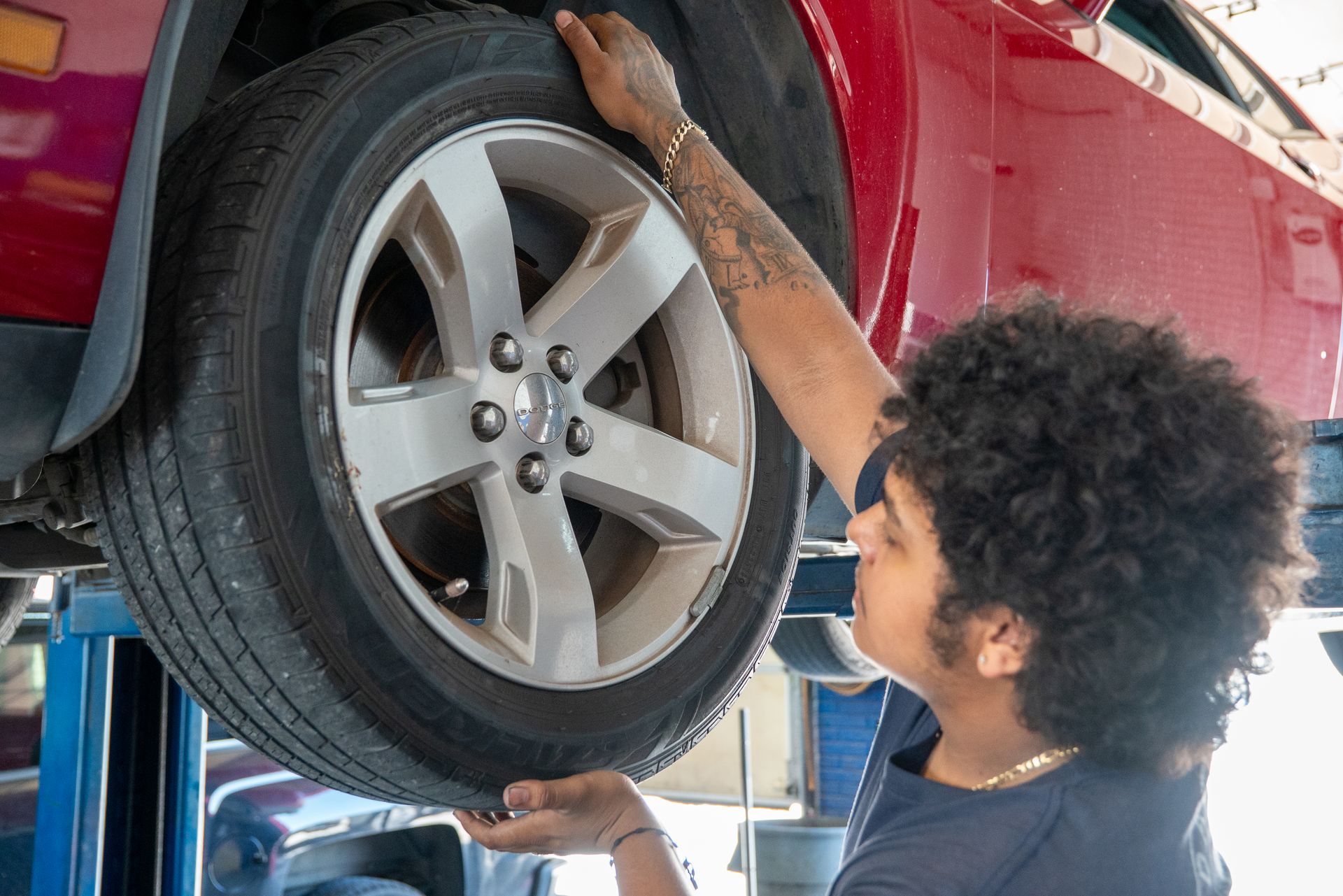
Yes. A bad wheel bearing can make a humming or growling sound that is easy to mistake for tire noise. The sound may start out quiet and get louder as you drive faster.
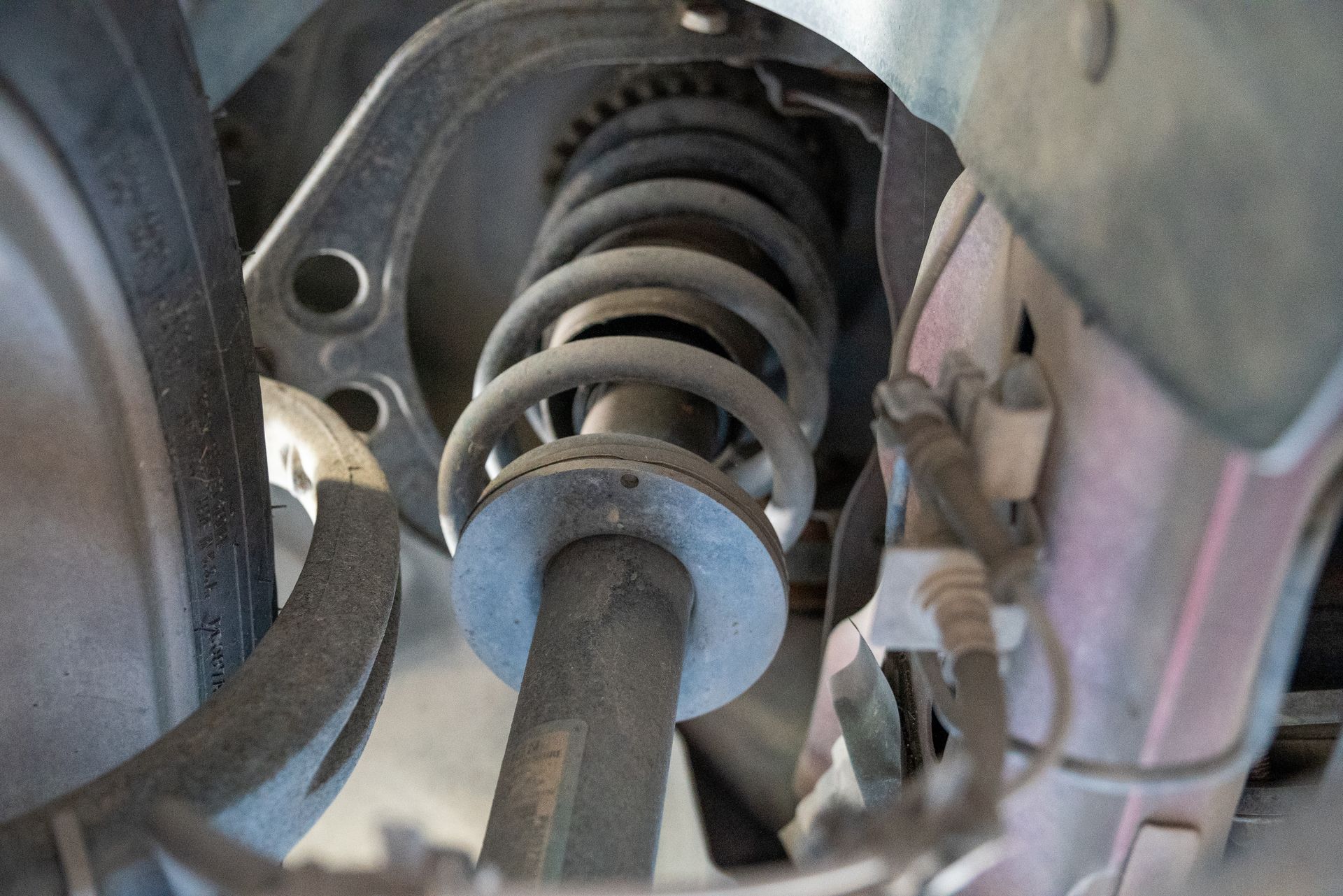
Your vehicle should not make a loud clunk each time you hit a bump. If you hear a clunking noise over bumps, there may be a worn or loose part in the suspension or steering system.
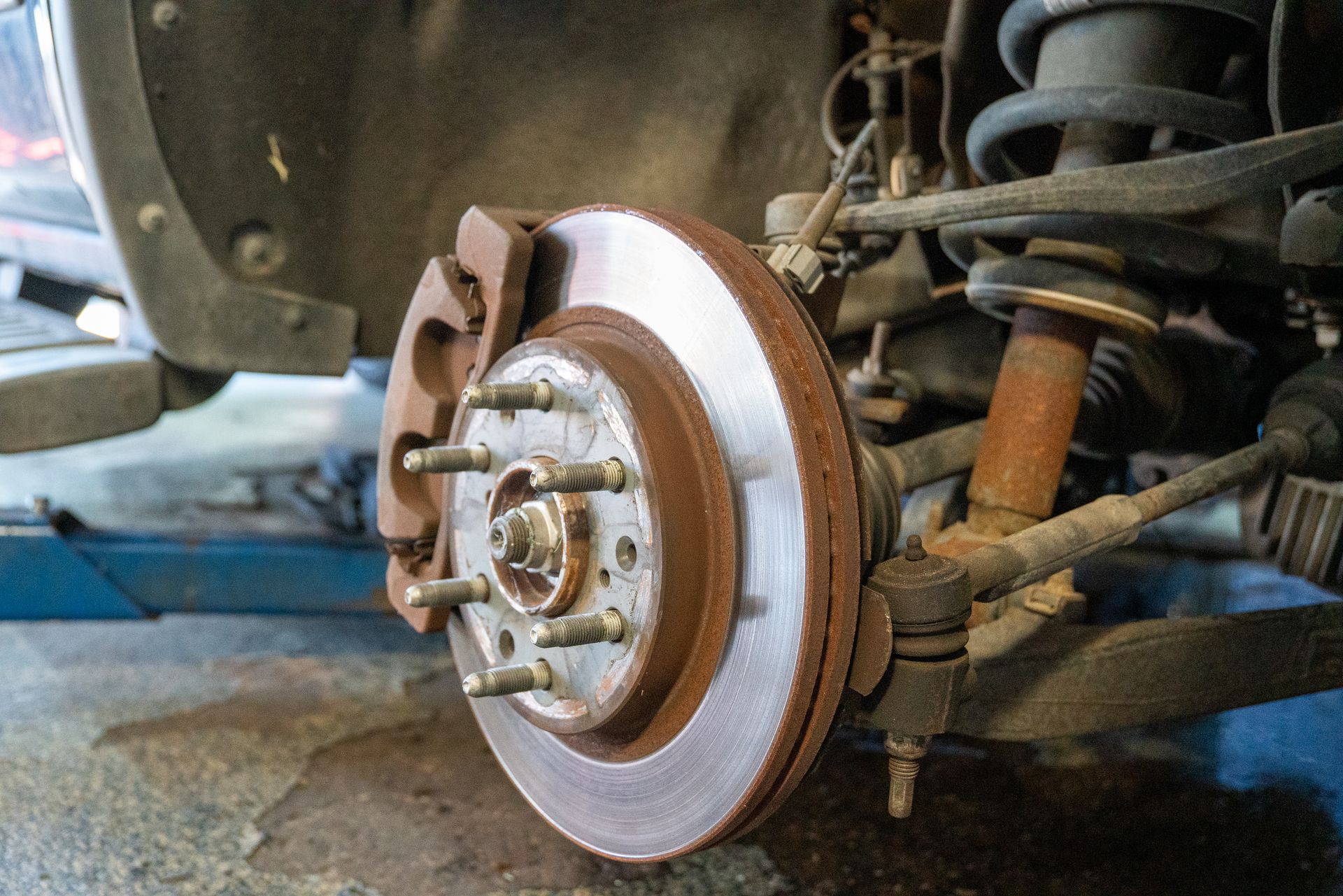
Your vehicle should stay straight when you press the brake pedal. If your car pulls left or right when braking, there may be a problem with the brakes, tires, or suspension.
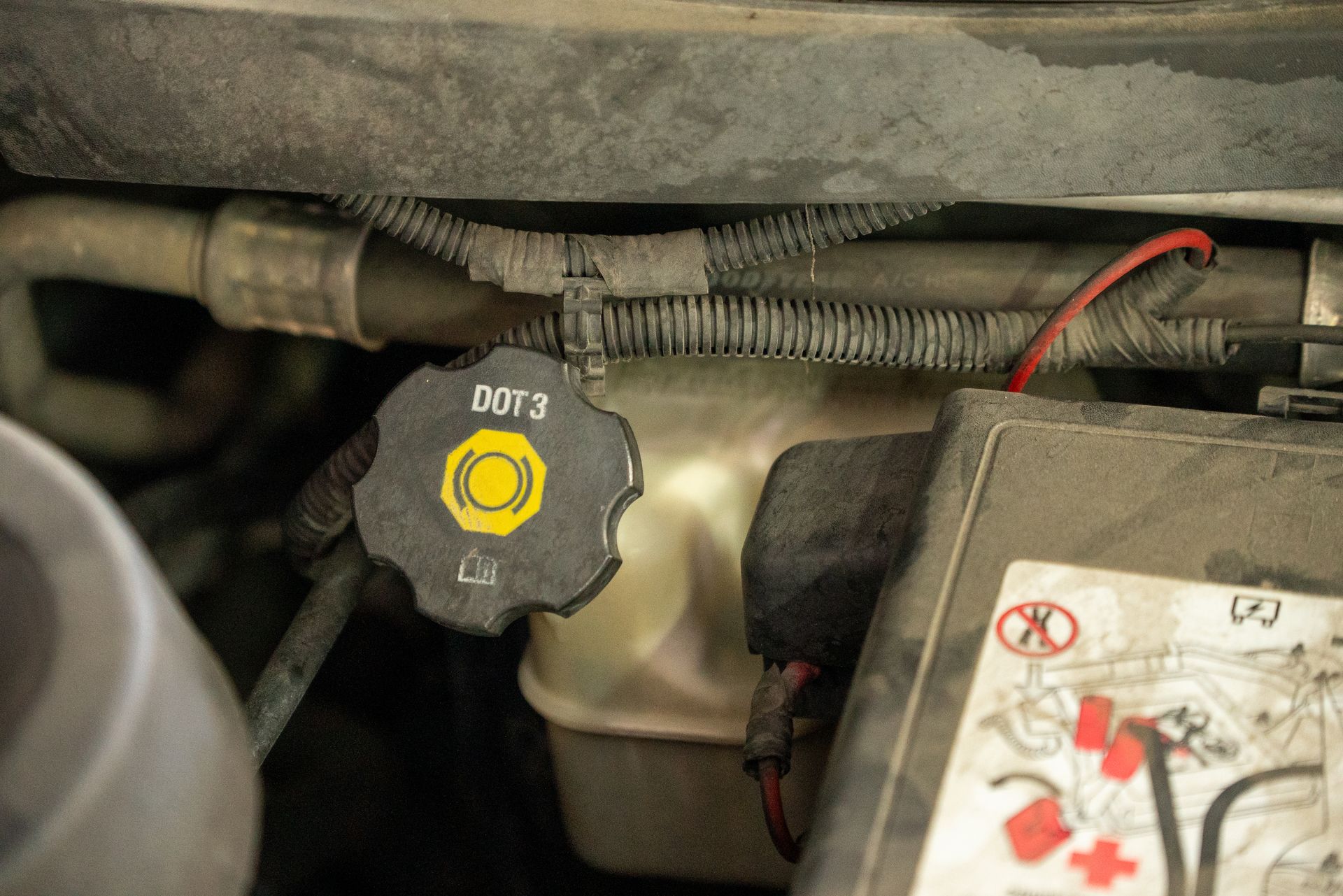
When people think about brake service, they usually think about brake pads or rotors. One part that often gets overlooked is the brake fluid.
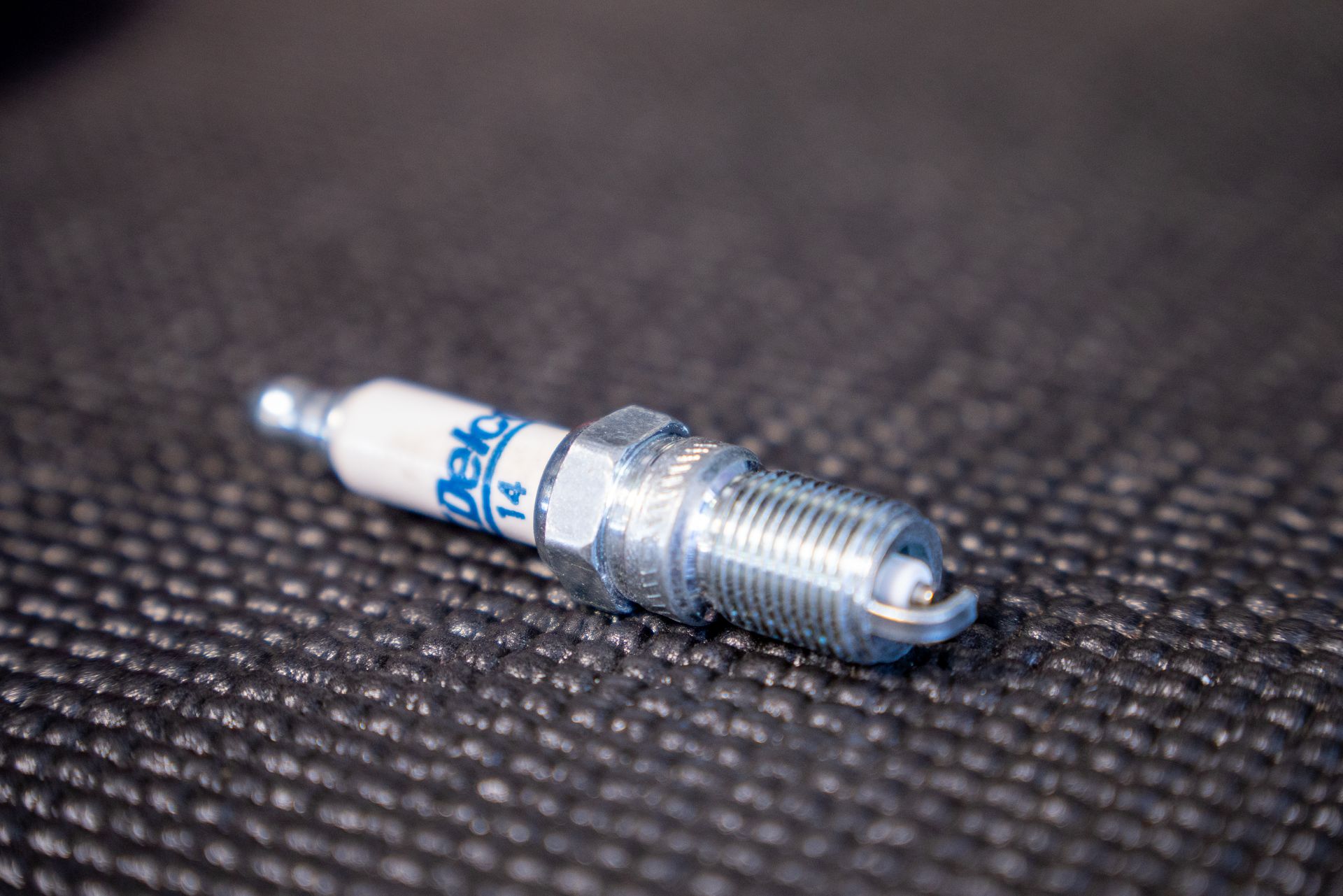
Your engine needs three things to run: air, fuel, and spark. Spark plugs provide that spark every time you start your vehicle. Even though they are small, they have a big job.
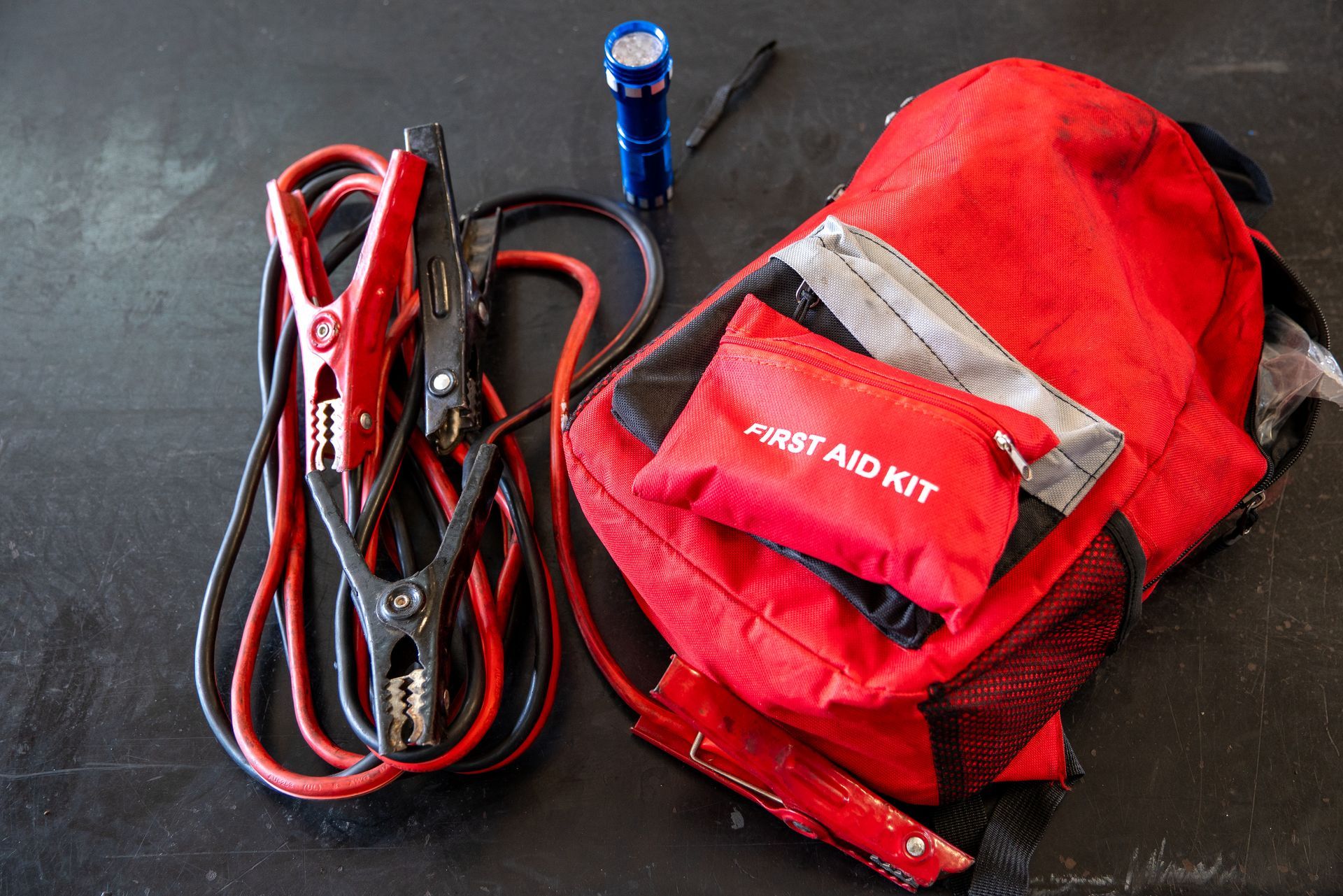
School is back, and that means your student will spend more time behind the wheel. Whether they are driving to high school, college, work, or sports practice, it's a good idea to make sure they are ready for the unexpected.
Discover expert brake repairs at David's Automotive Repair in The Colony, TX. Ensure safety and performance. Schedule an online appointment now!
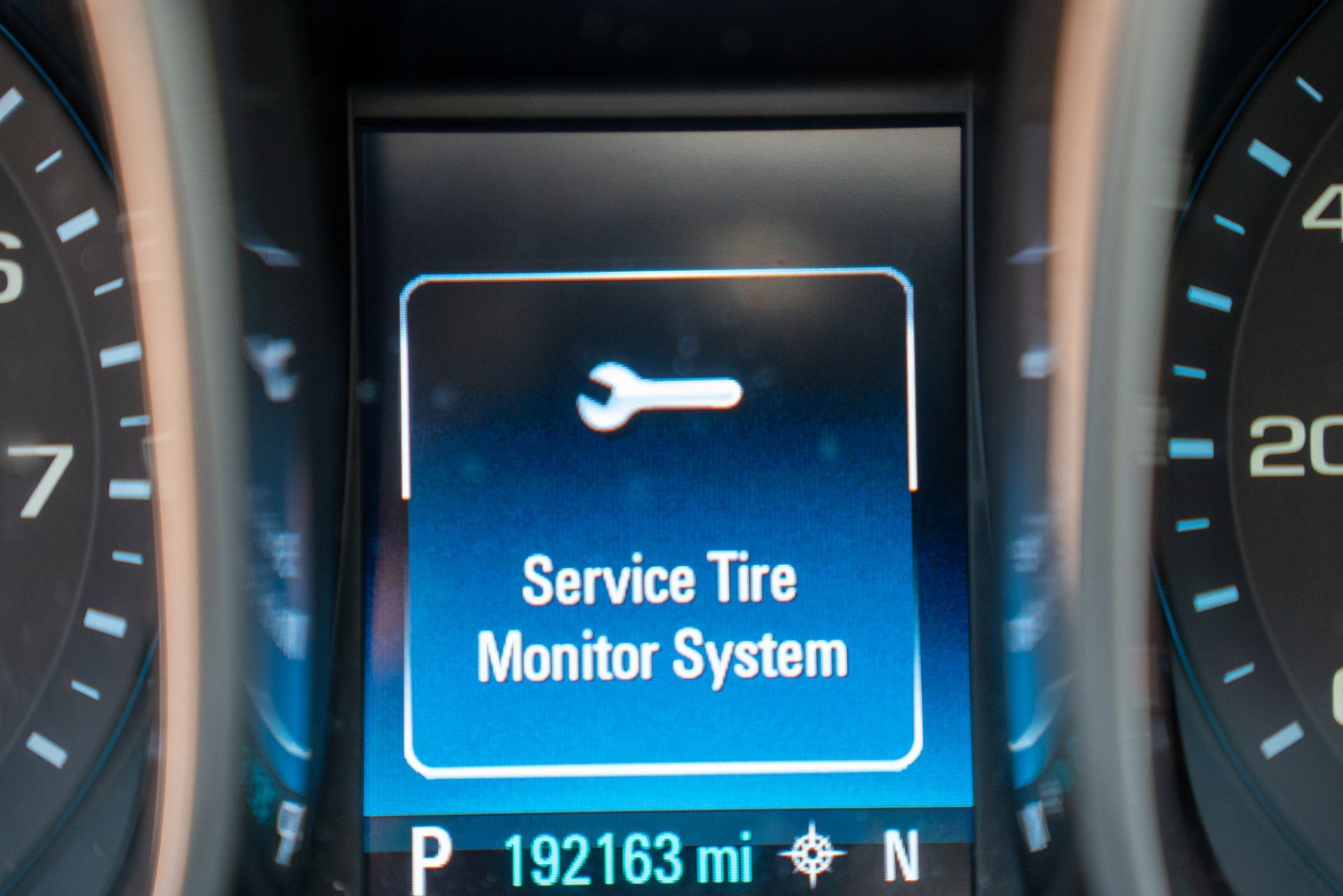
You hand your teen the keys and remind them to drive safely. A few days later, they call and say, "A light came on, but the car still drives fine."
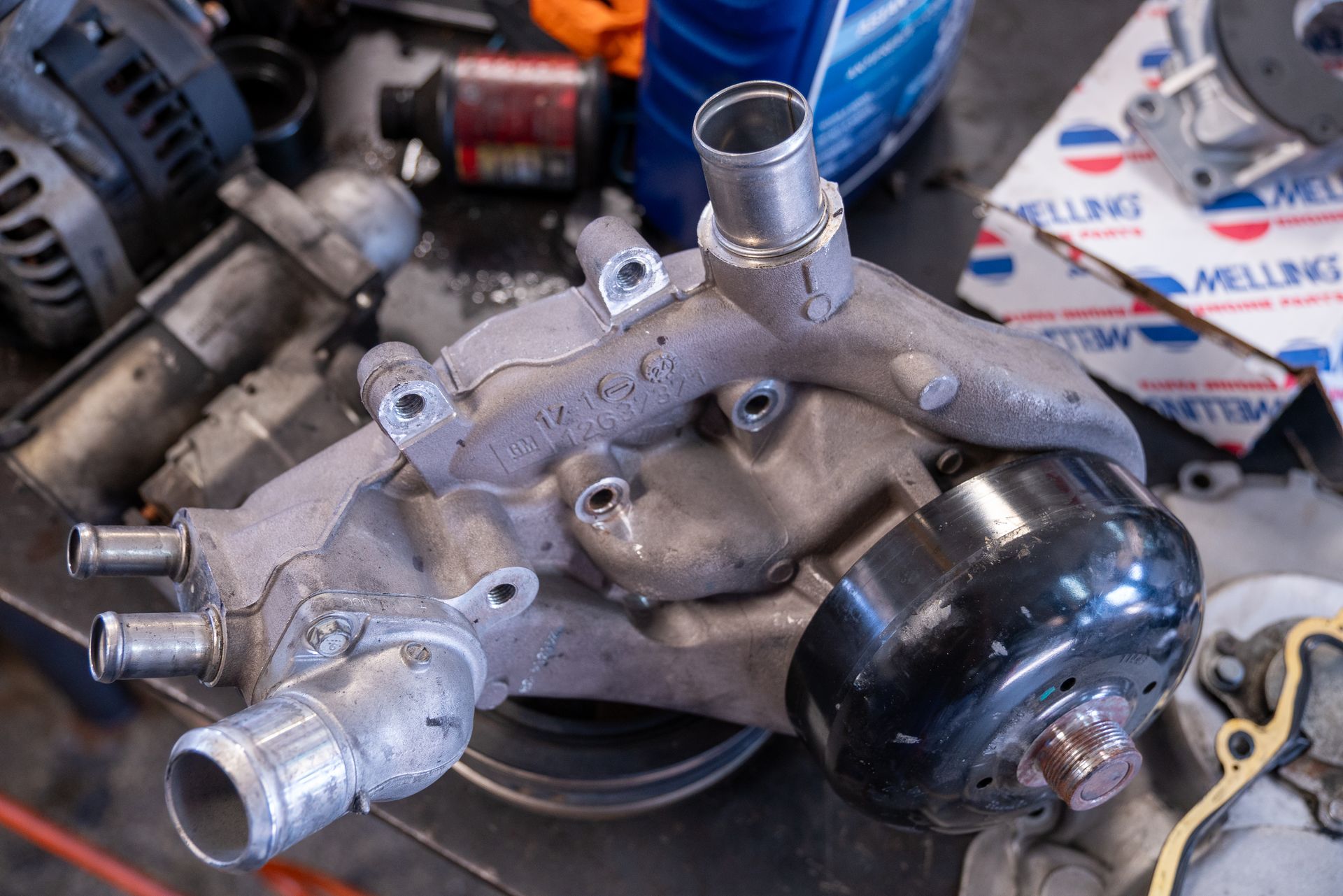
Few things get your attention faster than seeing the temperature gauge climb. If your engine starts getting too hot, don't ignore it. An overheating engine can turn a simple repair into a very expensive one.