Understanding Wheel Bearings: Vital Components of Your Car
In the intricate world of automobiles, there are numerous components that work together to ensure your vehicle runs smoothly and safely.
One such crucial component that often goes unnoticed is the wheel bearing. Despite their small size, wheel bearings play a significant role in the overall functionality of your car.
What Are Wheel Bearings?
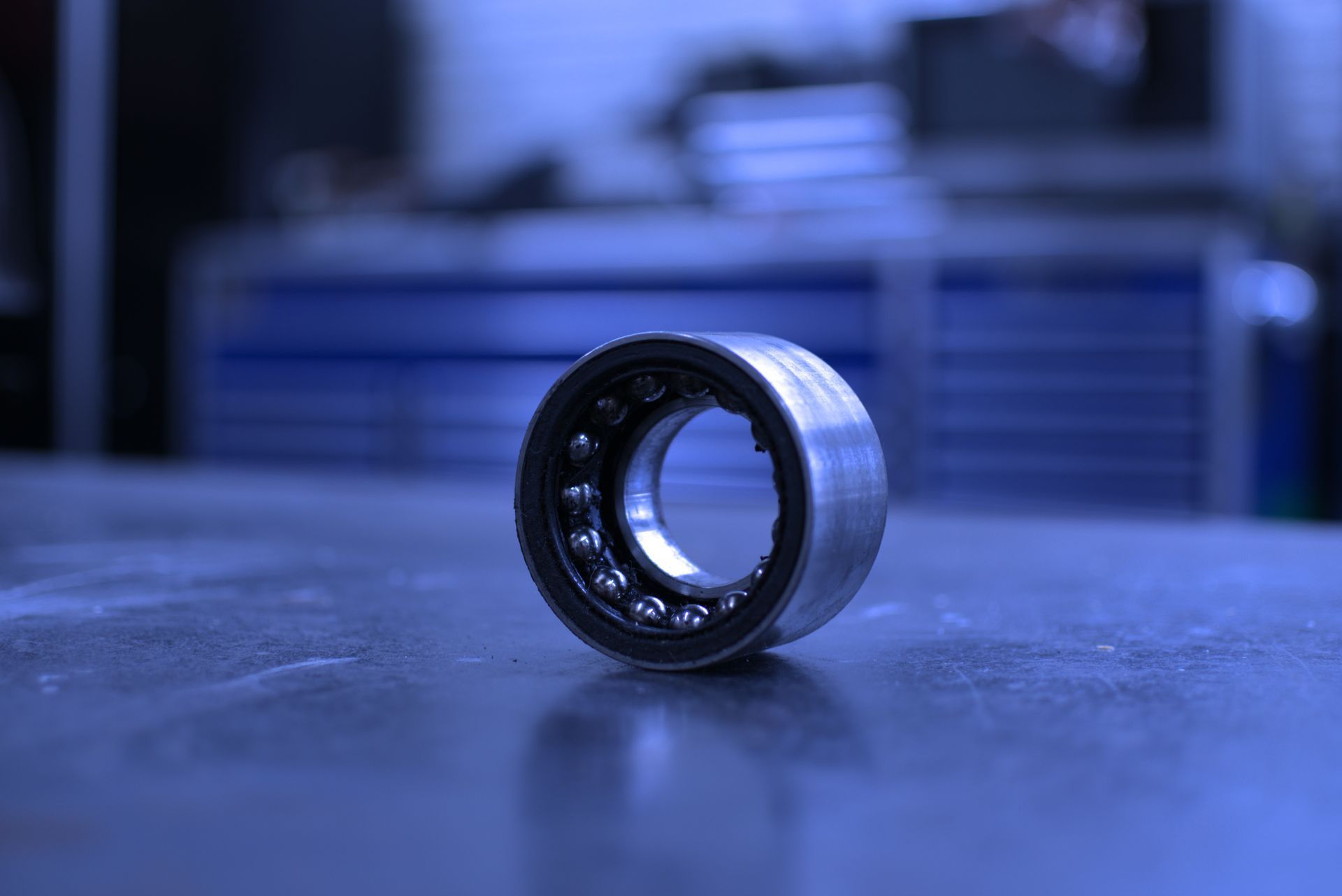
Wheel bearings are the reason your car's wheels spinning smoothly as you drive down the road. They are small steel balls or rollers encased in a metal ring, known as a race. These bearings are placed within the wheel hub assembly and allow the wheels to rotate with minimal friction.
Importance of Wheel Bearings
Wheel bearings support the weight of your vehicle and help maintain the integrity of the wheel assembly. They facilitate the smooth rotation of the wheels, which is essential for safe handling, steering, and overall driving performance. Without properly functioning wheel bearings, you may experience a variety of issues that can affect your driving experience and even compromise your safety.
Signs of Wheel Bearing Problems
Over time and through regular use, wheel bearings can wear out or become damaged. It's important to recognize the signs of potential wheel bearing issues, which may include:
- Strange Noises: A common indicator of a failing wheel bearing is a grinding, growling, or humming noise that increases with vehicle speed. This noise often changes pitch when turning, as the weight distribution on the bearings shifts.
- Uneven Tire Wear: Worn-out wheel bearings can cause uneven tire wear, leading to the need for premature tire replacement. This can be costly and inconvenient if not addressed promptly.
- Steering Instability: Faulty wheel bearings can affect the stability of your steering. You may notice excessive play or looseness in the steering wheel, making it harder to maintain control of the vehicle.
- ABS Warning Light: In modern vehicles equipped with an Anti-lock Braking System (ABS), a malfunctioning wheel bearing can trigger the ABS warning light on your dashboard.
Maintenance and Replacement
Like many automotive components, wheel bearings require periodic maintenance and eventual replacement due to wear and tear. Manufacturers often recommend inspecting and greasing wheel bearings as part of regular maintenance intervals, typically every 30,000 to 50,000 miles. However, the lifespan of wheel bearings can vary depending on driving conditions and vehicle usage.
When it's time for wheel bearing replacement, it's essential to trust a qualified automotive technician. At David's Automotive Repair in The Colony, TX, our experienced professionals are trained to diagnose and address wheel bearing issues promptly and effectively. We use quality parts and ensure that your vehicle's wheel bearings are installed correctly to restore optimal performance and safety.
In conclusion,
while wheel bearings may seem like small components, their role in your vehicle's operation cannot be overstated. They contribute to the smooth and safe operation of your car, ensuring that you enjoy a comfortable and reliable driving experience. By understanding their importance and recognizing the signs of potential issues, you can take proactive steps to maintain your vehicle and address any concerns promptly.
If you suspect that your car's wheel bearings may be causing problems, don't hesitate to contact us at David's Automotive Repair. Our friendly team is here to help keep your vehicle running smoothly and safely on the roads in The Colony, TX. You can trust us for all your automotive repair and maintenance needs!

Your Check Engine Light can come on even when your car seems to run fine .
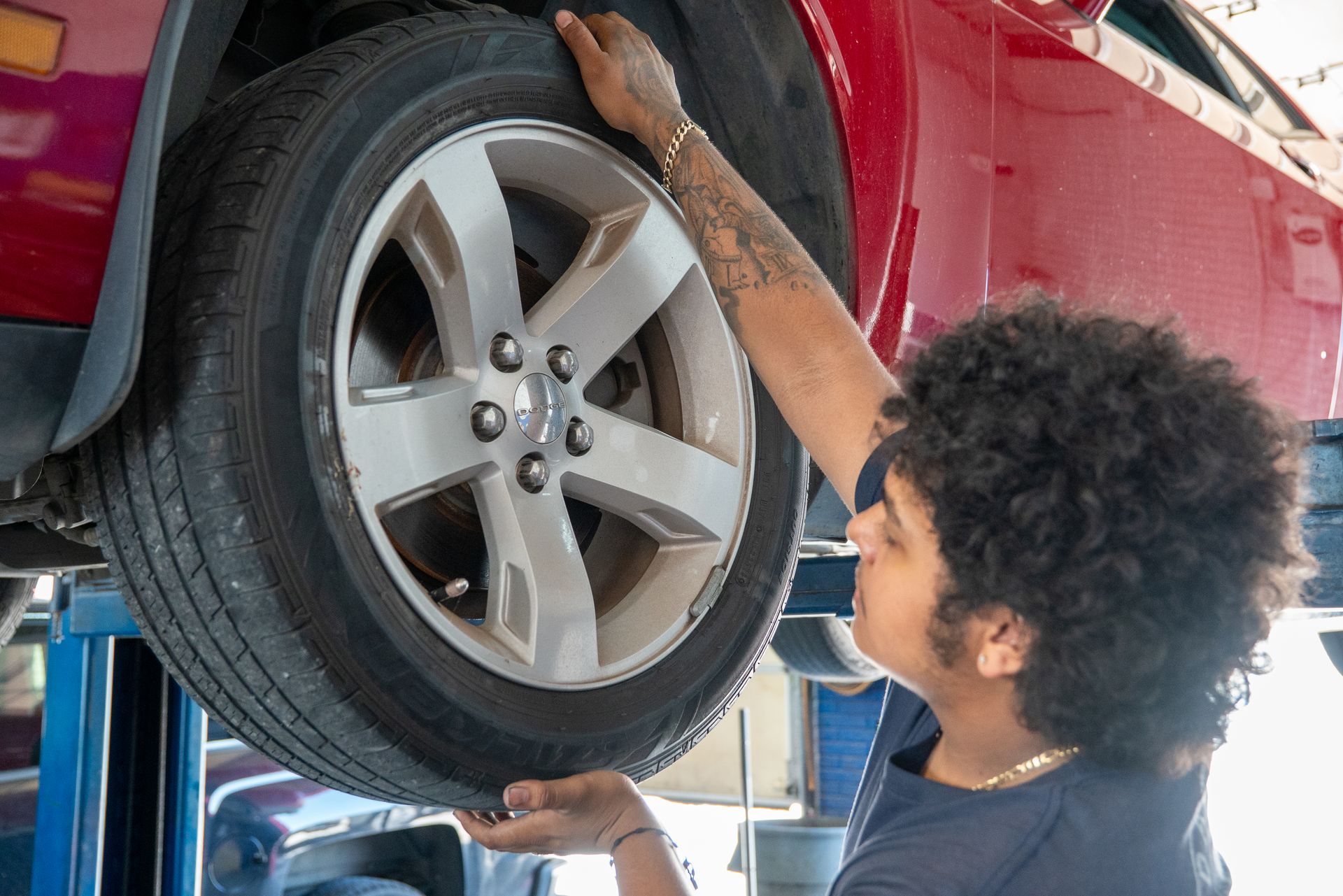
Yes. A bad wheel bearing can make a humming or growling sound that is easy to mistake for tire noise. The sound may start out quiet and get louder as you drive faster.
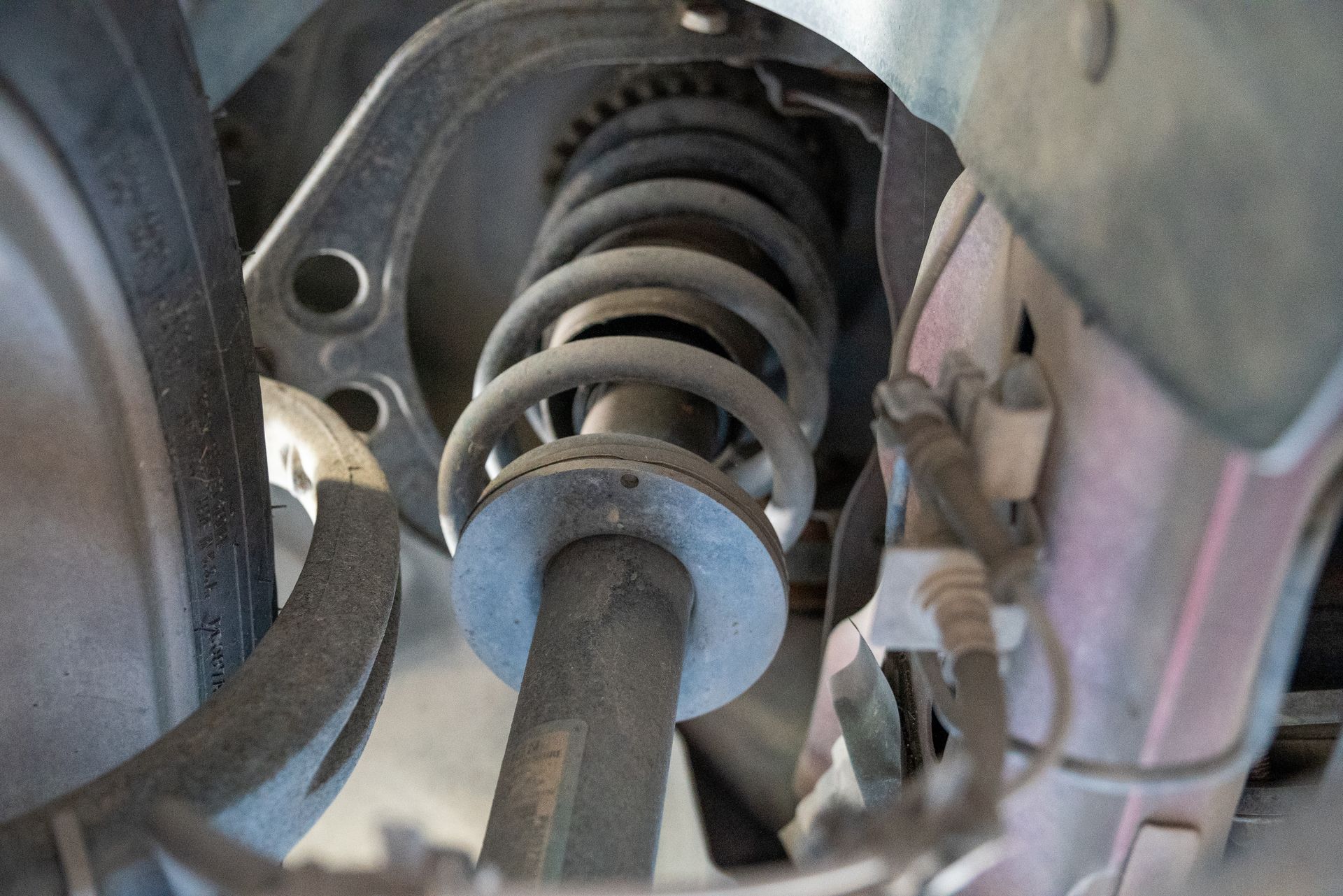
Your vehicle should not make a loud clunk each time you hit a bump. If you hear a clunking noise over bumps, there may be a worn or loose part in the suspension or steering system.
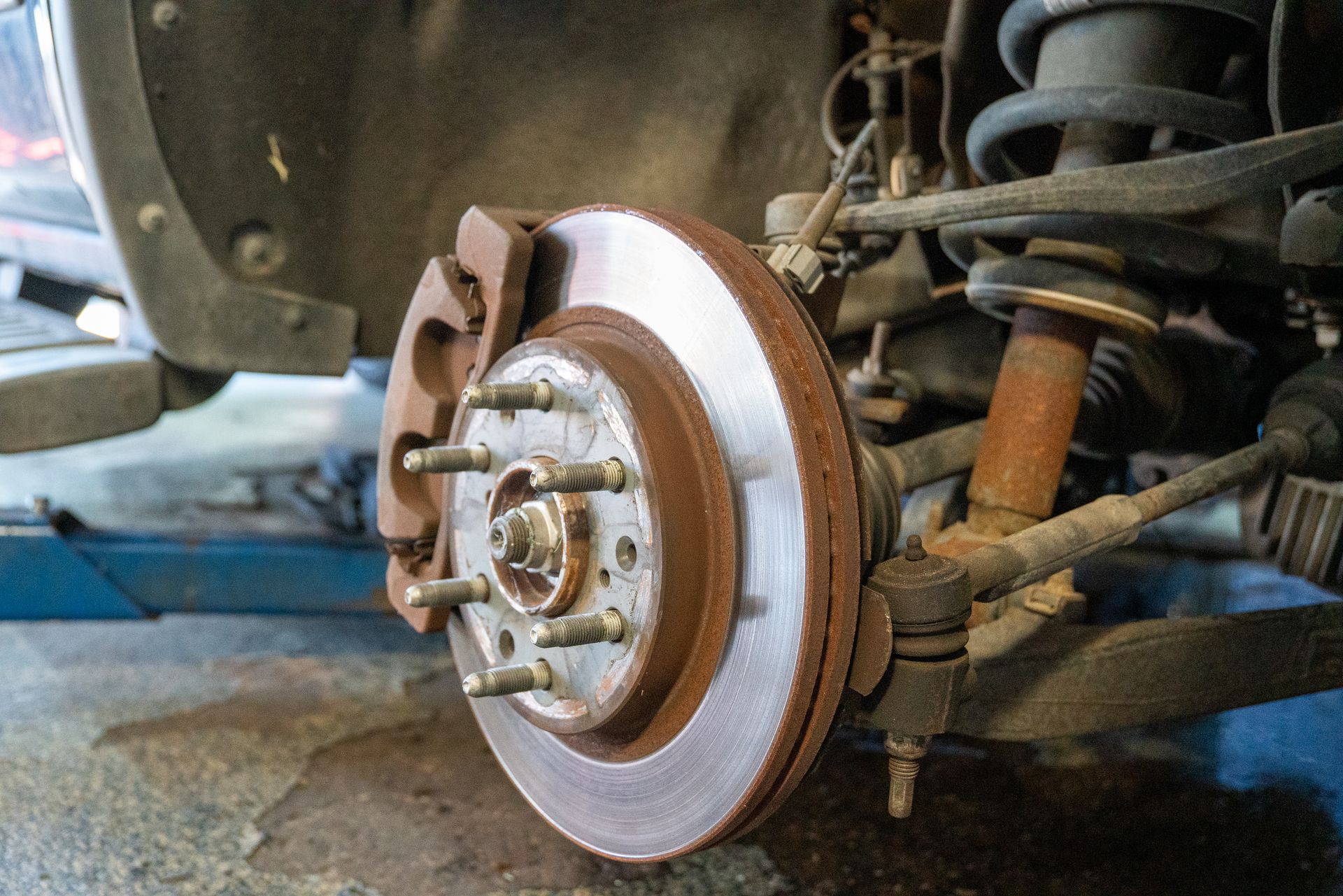
Your vehicle should stay straight when you press the brake pedal. If your car pulls left or right when braking, there may be a problem with the brakes, tires, or suspension.
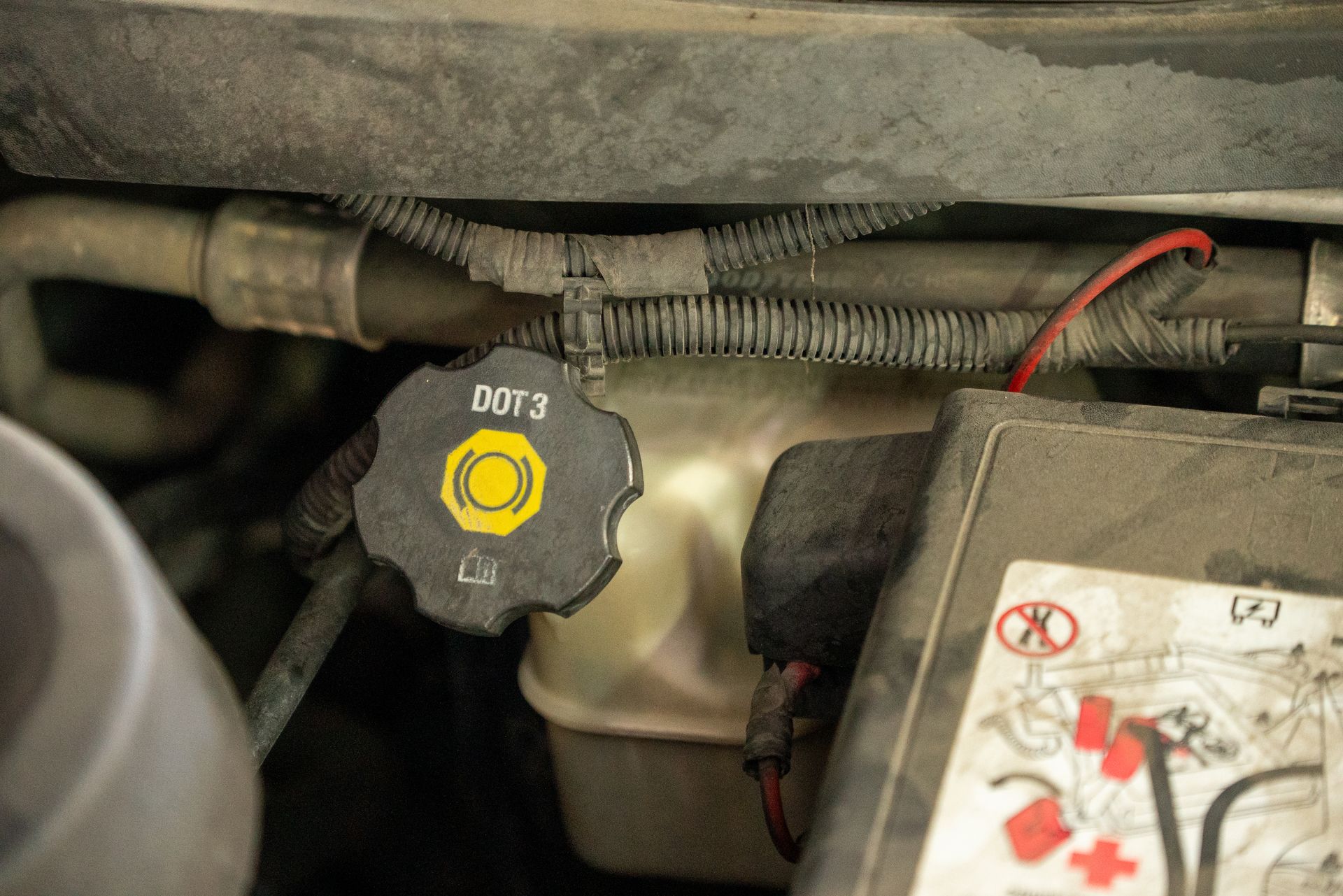
When people think about brake service, they usually think about brake pads or rotors. One part that often gets overlooked is the brake fluid.
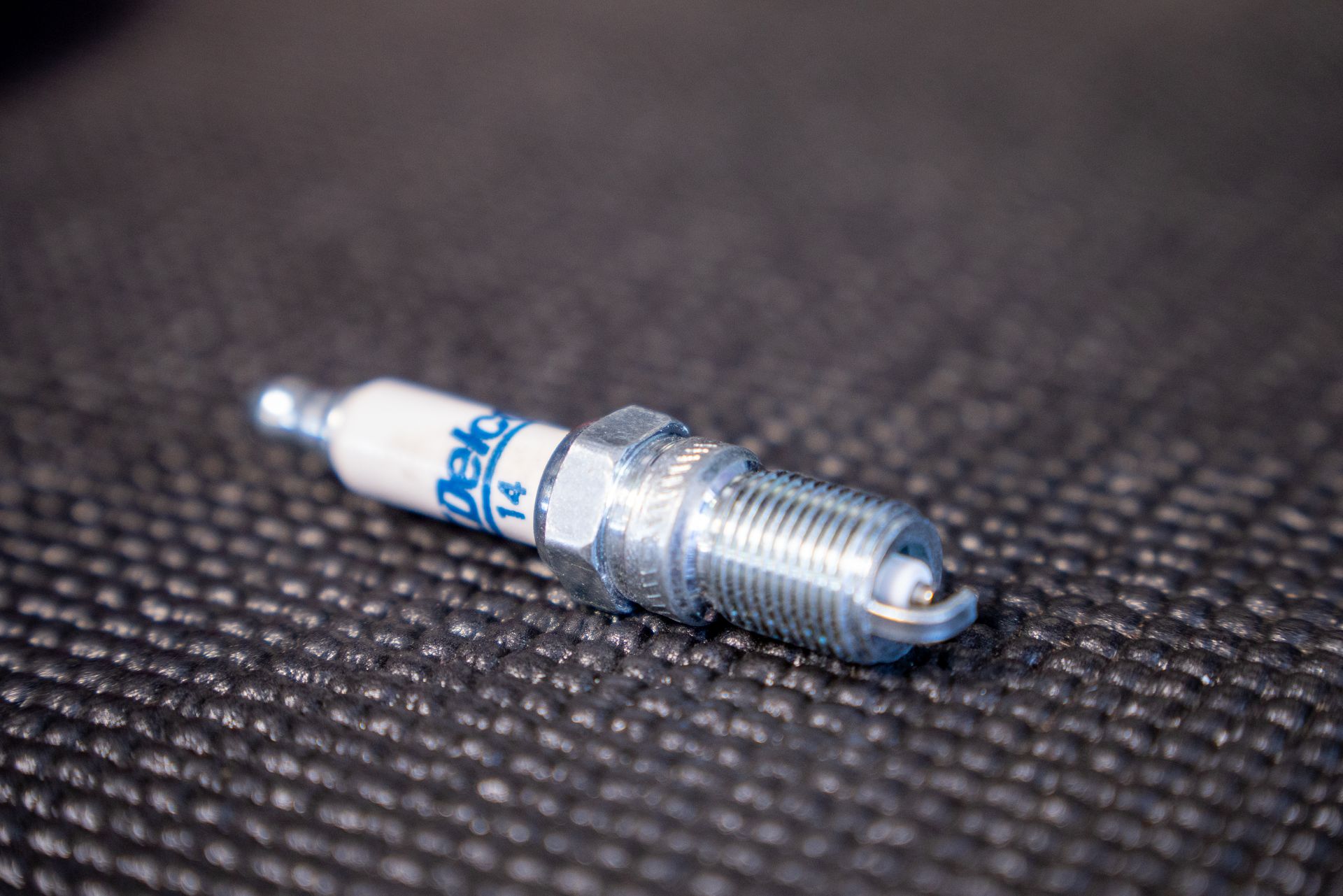
Your engine needs three things to run: air, fuel, and spark. Spark plugs provide that spark every time you start your vehicle. Even though they are small, they have a big job.
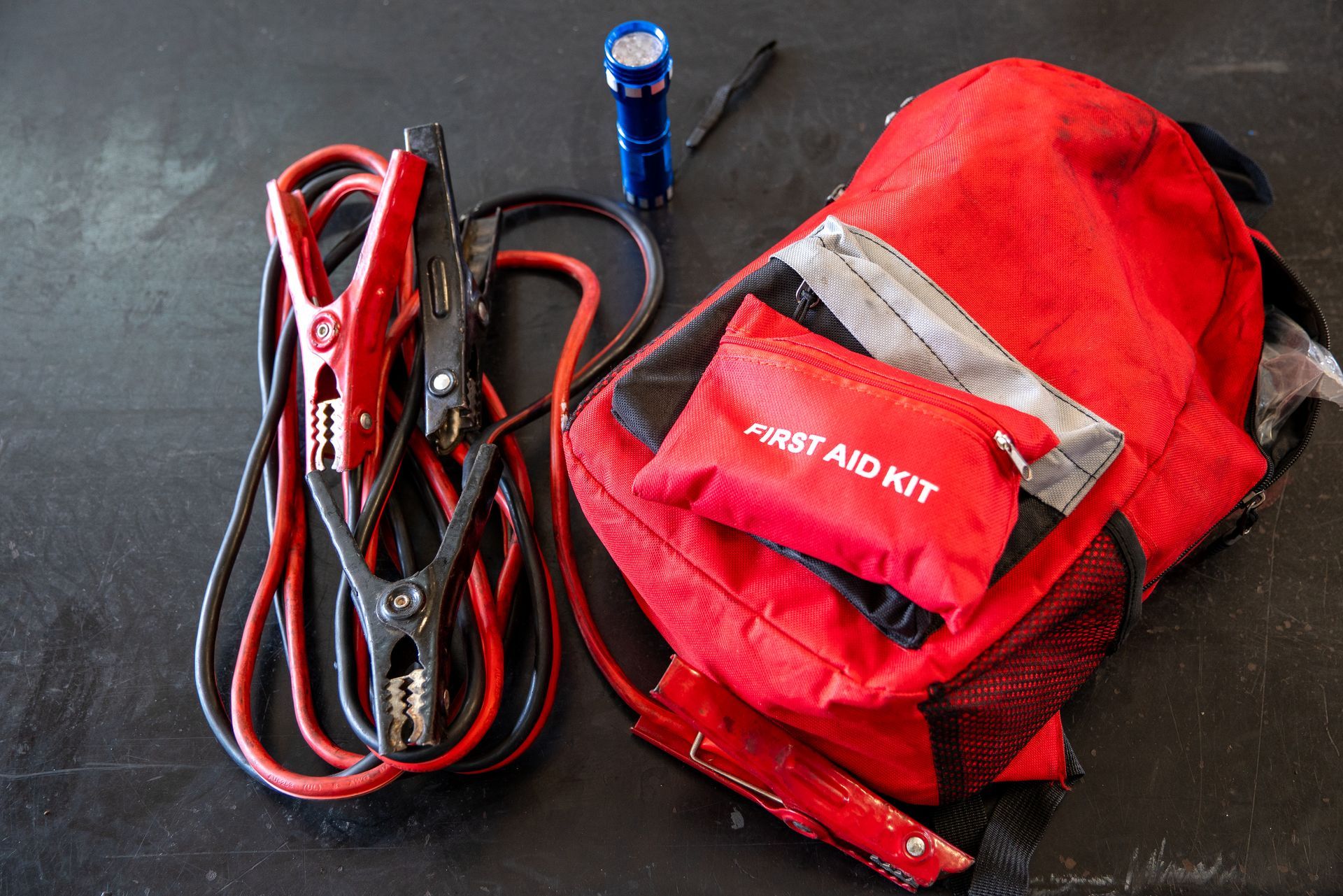
School is back, and that means your student will spend more time behind the wheel. Whether they are driving to high school, college, work, or sports practice, it's a good idea to make sure they are ready for the unexpected.
Discover expert brake repairs at David's Automotive Repair in The Colony, TX. Ensure safety and performance. Schedule an online appointment now!
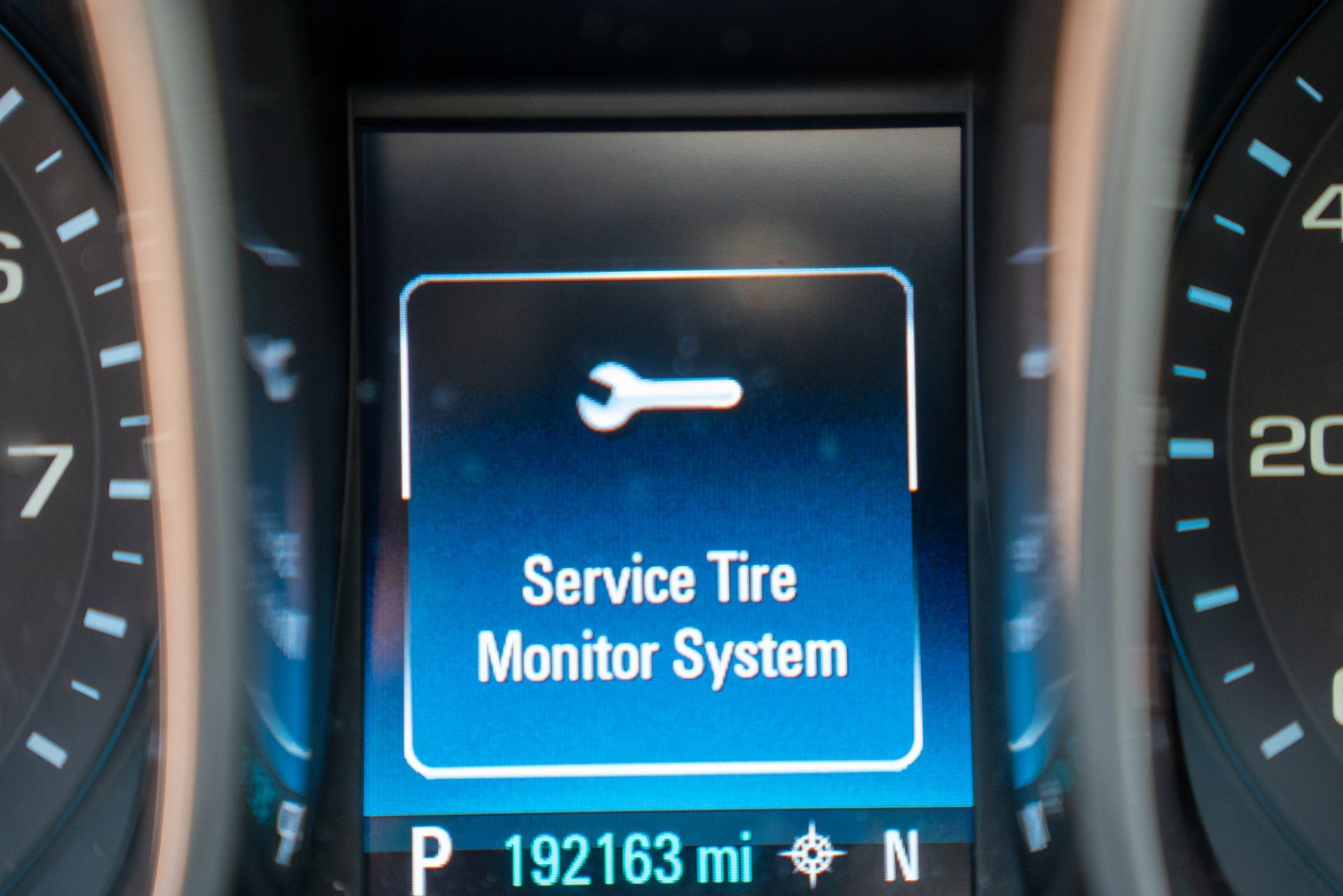
You hand your teen the keys and remind them to drive safely. A few days later, they call and say, "A light came on, but the car still drives fine."
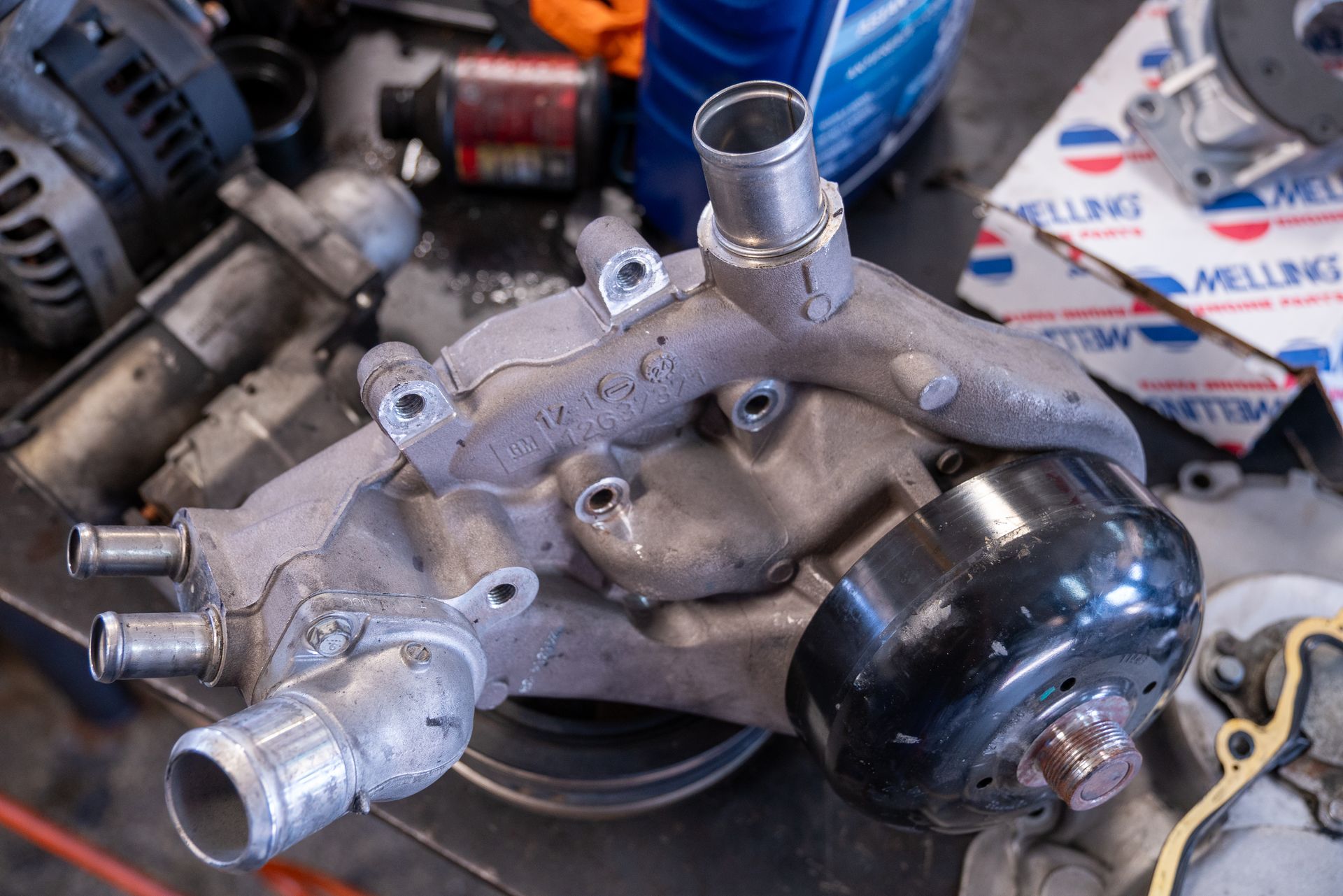
Few things get your attention faster than seeing the temperature gauge climb. If your engine starts getting too hot, don't ignore it. An overheating engine can turn a simple repair into a very expensive one.