The Evolution of Power Steering: Hydraulic vs. Electronic Systems
In the world of automotive technology, power steering systems have revolutionized the way drivers experience handling and control.
Whether you're navigating tight city streets or cruising down the highway, power steering enhances your ability to steer with ease. At David's Automotive Repair in The Colony, TX, understanding the differences between hydraulic and electronic power steering systems helps us better serve our customers and their vehicles.
Hydraulic Power Steering: Traditional Strength
For many years, hydraulic power steering (HPS) has been the standard in vehicles. This system operates using a pump driven by the engine, which pressurizes hydraulic fluid (usually power steering fluid). The pressurized fluid is then used to assist in turning the steering wheel, reducing the effort required by the driver.
Key Features of Hydraulic Power Steering:
- Proven Reliability: Hydraulic systems are known for their durability and reliability. They have been used extensively in various vehicle models with consistent performance.
- Responsive Feel: Hydraulic power steering provides direct feedback to the driver, enhancing the feel of the road and the vehicle's handling characteristics.
- Maintenance Needs: Regular maintenance, such as fluid checks and occasional flushing, is necessary to ensure optimal performance and longevity of hydraulic power steering systems.
Electronic Power Steering: Efficiency and Innovation
In recent years, electronic power steering (EPS) has gained popularity due to advancements in automotive technology. Instead of hydraulic fluid and pumps, EPS systems use an electric motor to assist with steering. This motor is controlled by sensors that detect the driver's steering input and vehicle speed, adjusting the steering assistance accordingly.
Key Features of Electronic Power Steering:
- Efficiency: EPS systems are more energy-efficient compared to hydraulic systems because they only use power when steering assistance is needed. This can contribute to improved fuel efficiency.
- Adaptive Control: Electronic systems can adjust steering feel and assistance levels based on driving conditions, enhancing both comfort and safety.
- Maintenance Benefits: EPS systems generally require less maintenance compared to hydraulic systems, as there are no fluids to check or replace regularly.
Differences and Similarities:
- Functionality: Both hydraulic and electronic power steering systems serve the same primary purpose of assisting the driver in steering the vehicle. However, they achieve this through different mechanisms (hydraulic pressure vs. electric motor).
- Feedback: Hydraulic systems typically provide more direct feedback to the driver through the steering wheel compared to electronic systems, which may feel more artificial to some drivers.
- Complexity: Electronic power steering systems are generally more complex in terms of electronics and control systems compared to hydraulic systems, which can affect repair and diagnostic procedures.
Choosing a car with the Right System:
When it comes to choosing between hydraulic and electronic power steering systems, vehicle manufacturers consider factors such as performance, cost, fuel efficiency, and overall driving experience. At David's Automotive Repair, our certified technicians are trained to diagnose, repair, and maintain both types of power steering systems with precision and expertise.
Whether your vehicle is equipped with traditional hydraulic power steering or the latest electronic power steering technology, you can trust us to provide reliable service and ensure your steering system operates at its best. Contact us today for all your automotive repair and maintenance needs in The Colony, TX, and let us help you keep your vehicle running smoothly on the road ahead.

Your Check Engine Light can come on even when your car seems to run fine .
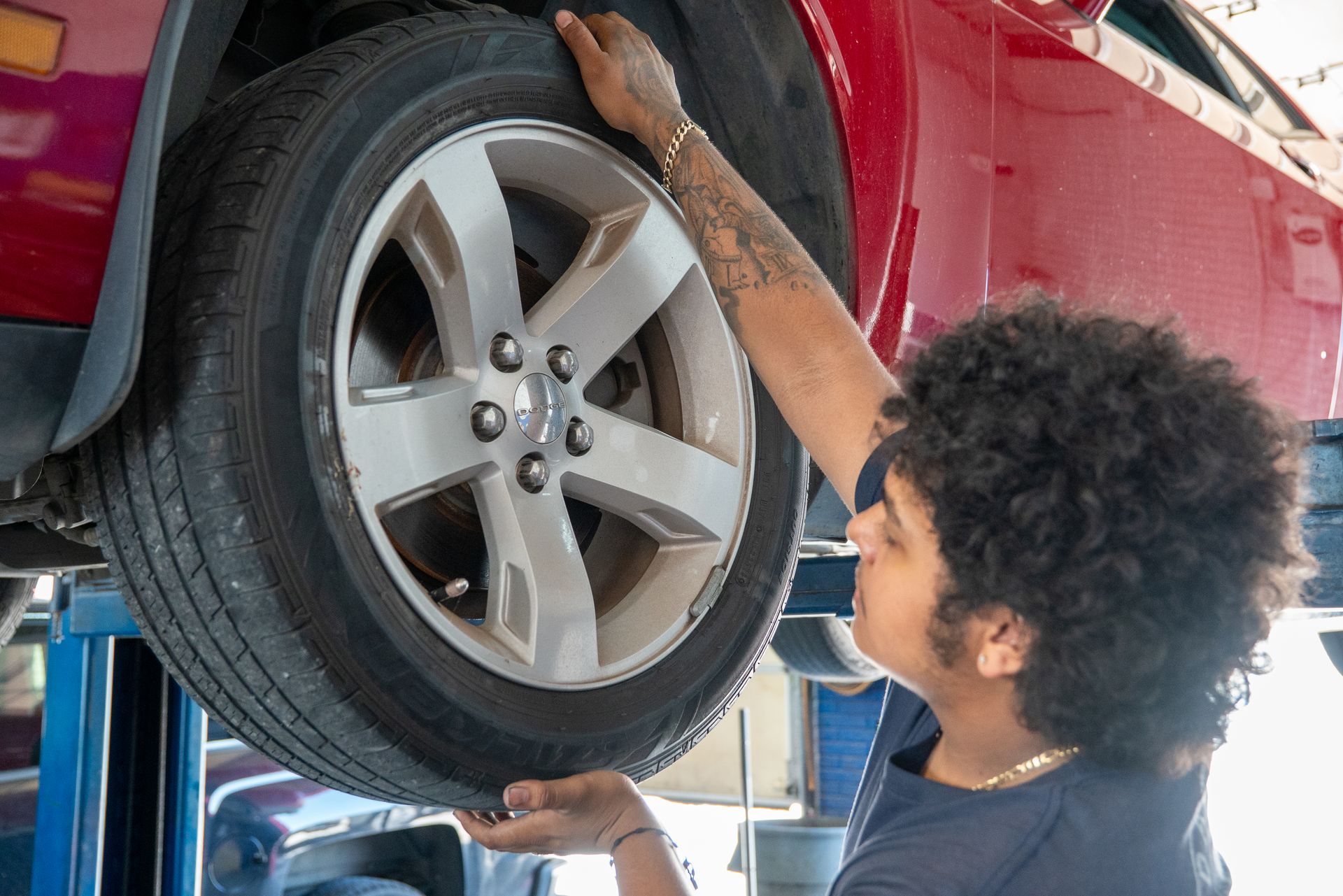
Yes. A bad wheel bearing can make a humming or growling sound that is easy to mistake for tire noise. The sound may start out quiet and get louder as you drive faster.
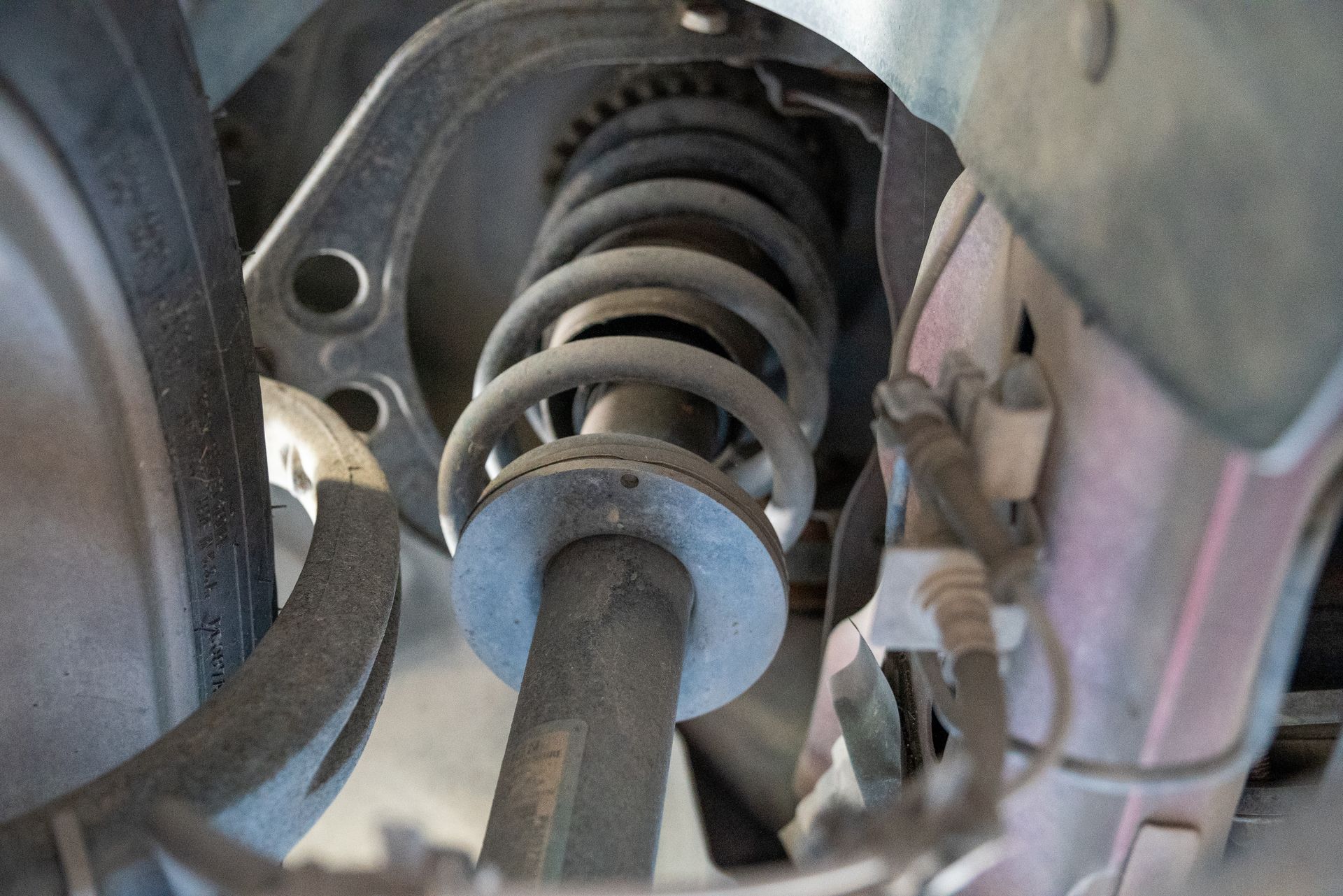
Your vehicle should not make a loud clunk each time you hit a bump. If you hear a clunking noise over bumps, there may be a worn or loose part in the suspension or steering system.
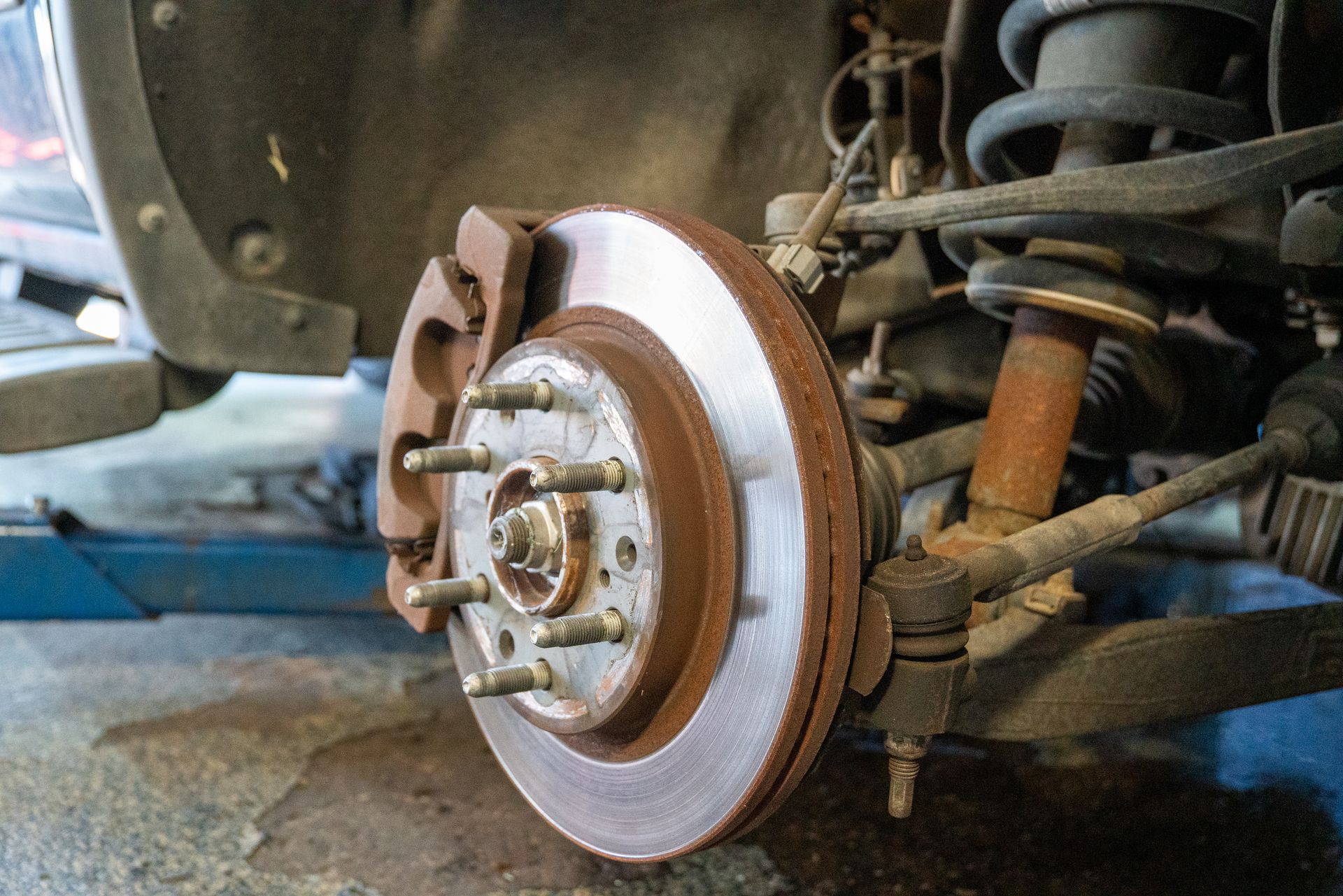
Your vehicle should stay straight when you press the brake pedal. If your car pulls left or right when braking, there may be a problem with the brakes, tires, or suspension.
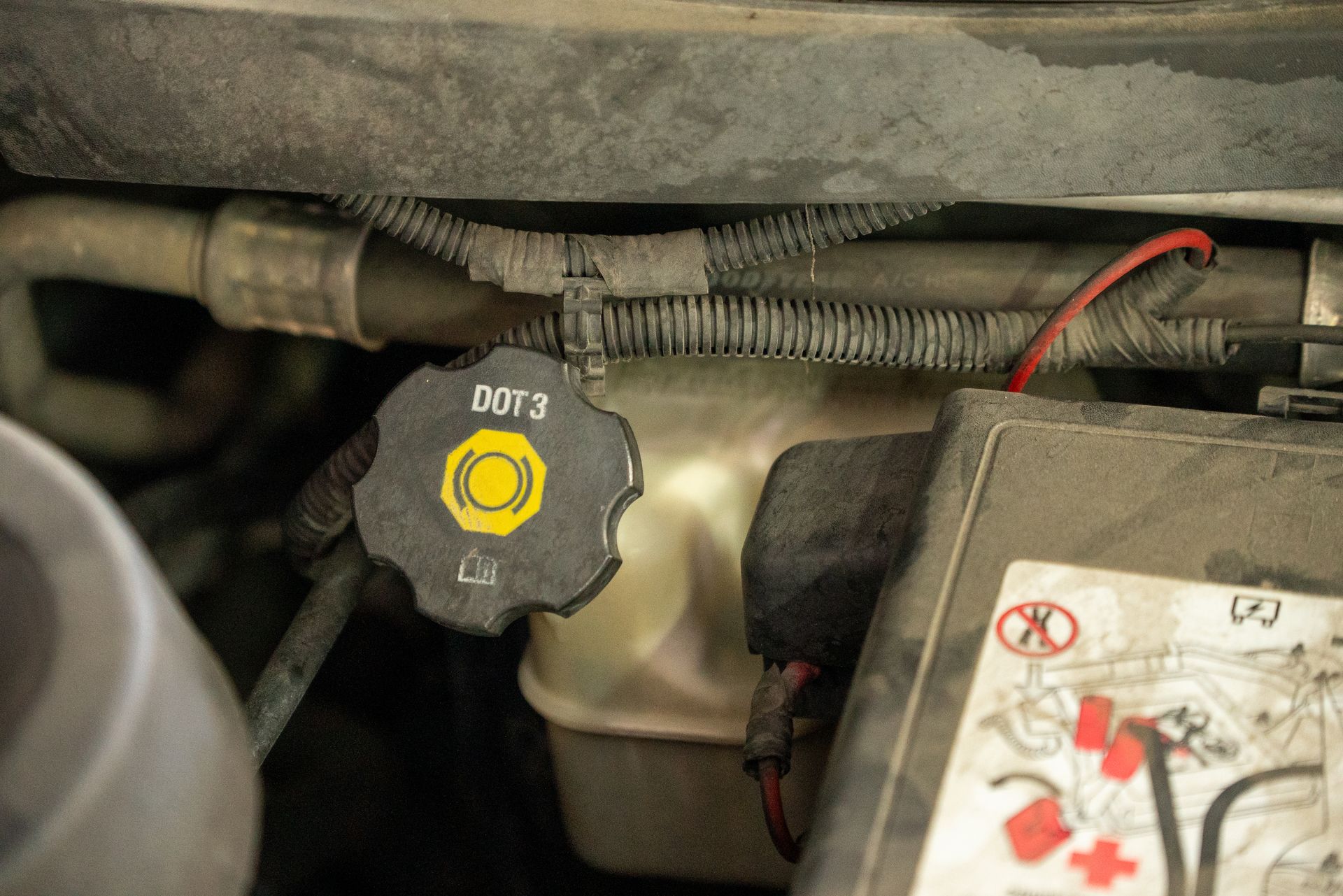
When people think about brake service, they usually think about brake pads or rotors. One part that often gets overlooked is the brake fluid.
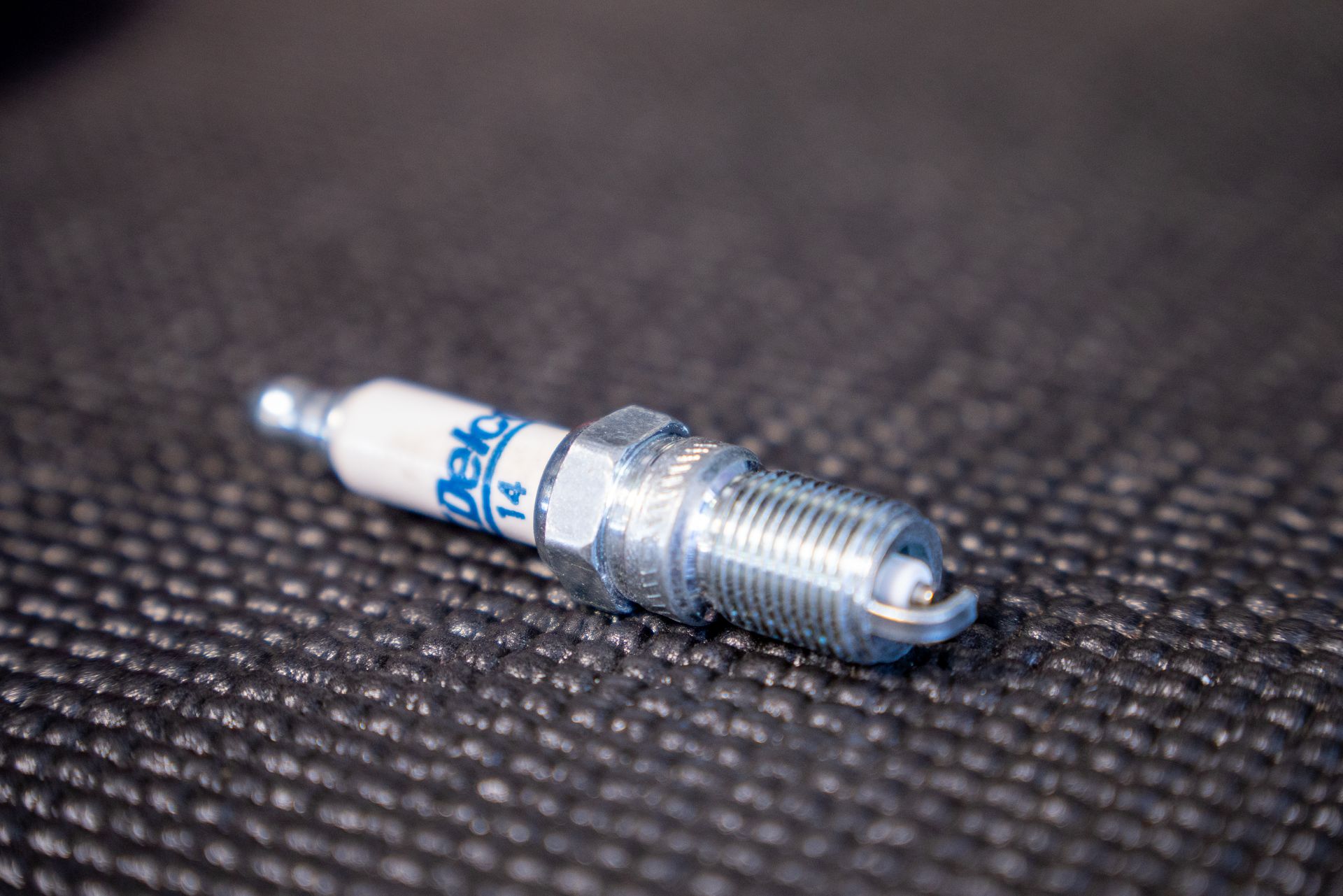
Your engine needs three things to run: air, fuel, and spark. Spark plugs provide that spark every time you start your vehicle. Even though they are small, they have a big job.

School is back, and that means your student will spend more time behind the wheel. Whether they are driving to high school, college, work, or sports practice, it's a good idea to make sure they are ready for the unexpected.
Discover expert brake repairs at David's Automotive Repair in The Colony, TX. Ensure safety and performance. Schedule an online appointment now!
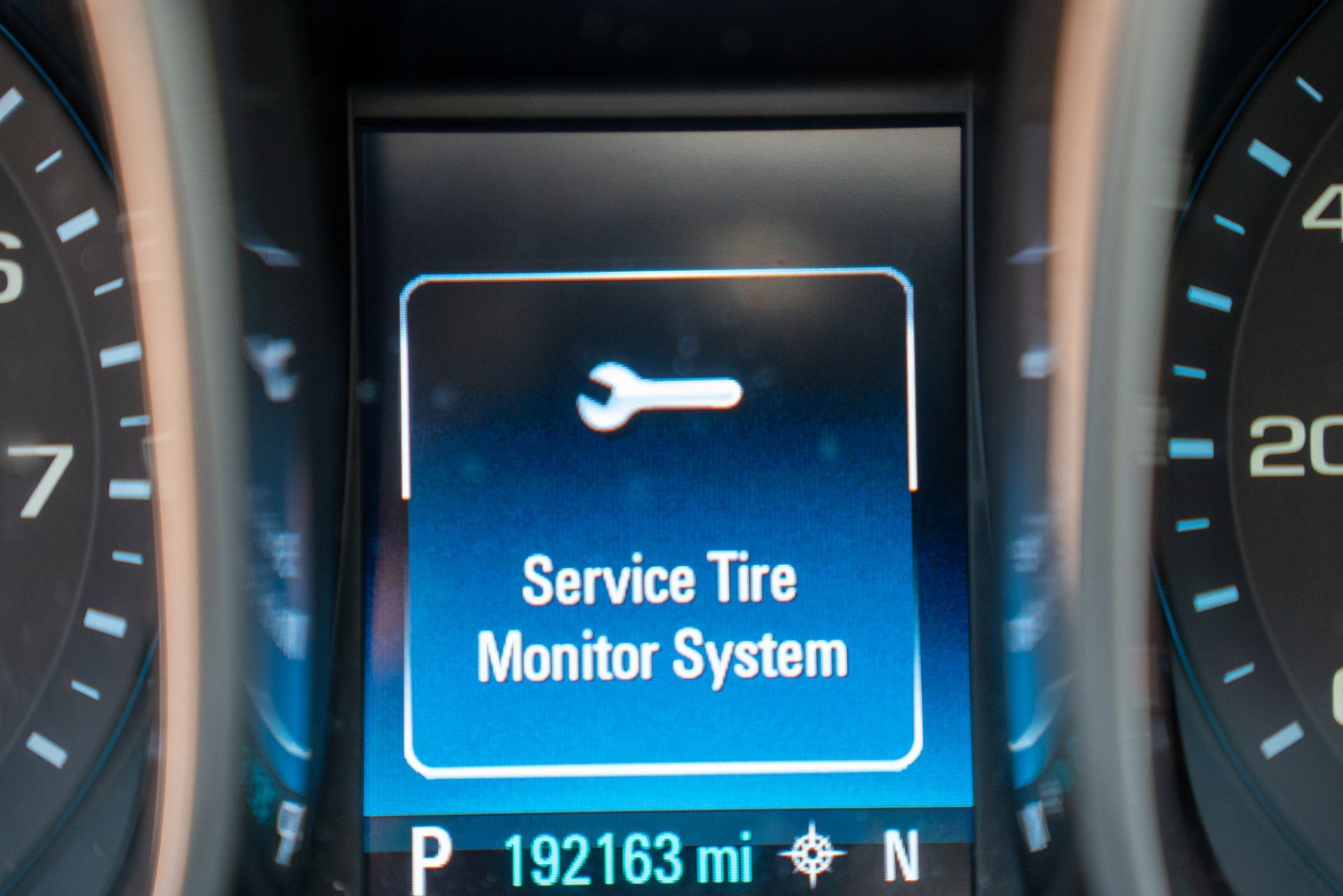
You hand your teen the keys and remind them to drive safely. A few days later, they call and say, "A light came on, but the car still drives fine."
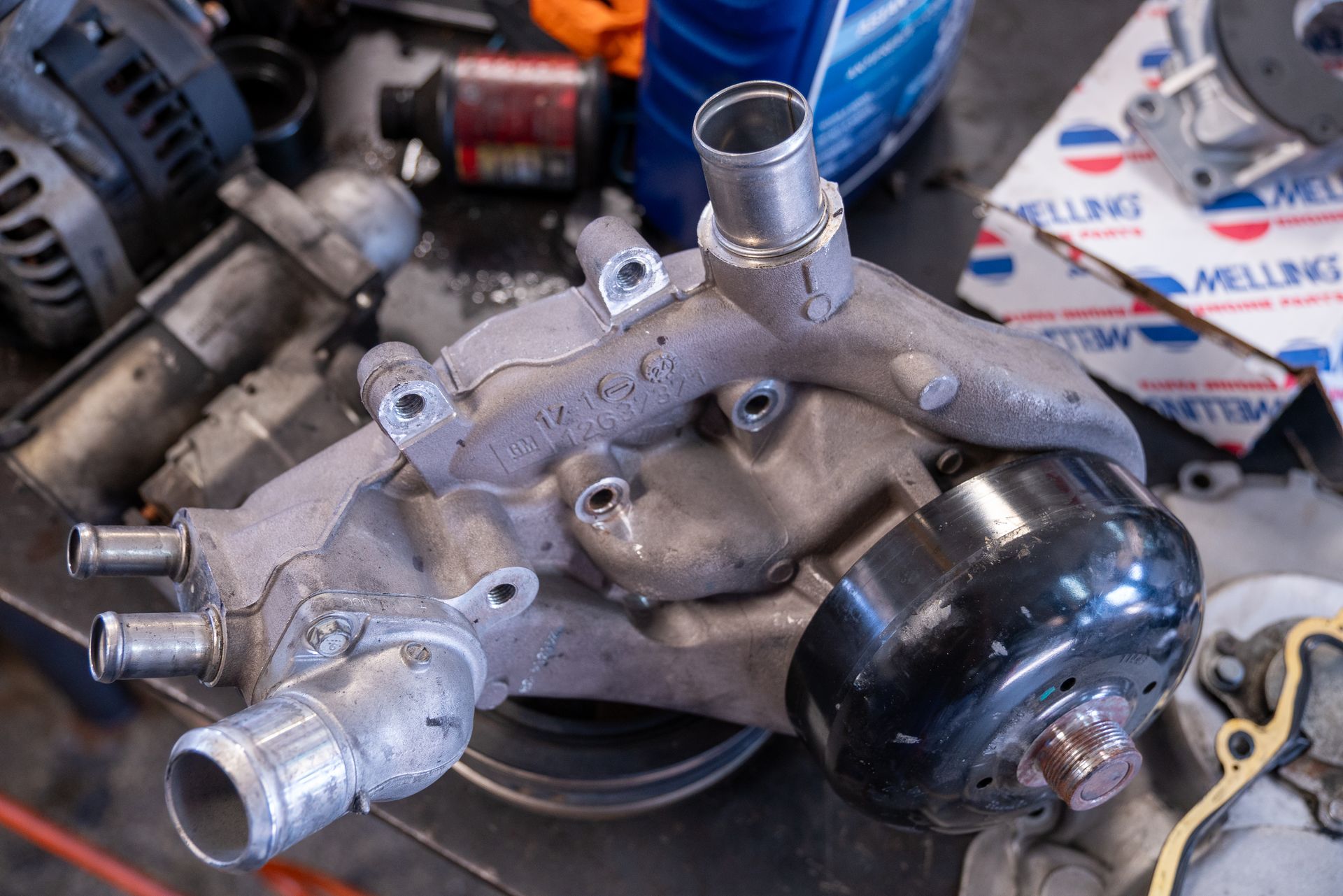
Few things get your attention faster than seeing the temperature gauge climb. If your engine starts getting too hot, don't ignore it. An overheating engine can turn a simple repair into a very expensive one.