Understanding Severe Service Maintenance: What You Need to Know

When it comes to taking care of your car, following the right maintenance schedule is crucial.

But did you know that there are two types of schedules? 

Your vehicle manufacturer provides both a regular schedule and a severe service schedule. Understanding which one is right for you can make a big difference in keeping your car running smoothly.

What is Severe Service?

Before we dive into the details, let's talk about what qualifies as severe service. If any of the following conditions apply to your driving habits, you may fall into the severe service category:

  • Most of your trips are short, less than four miles.
  • You frequently drive short distances, less than 10 miles, in freezing temperatures.
  • Your engine operates at low speeds most of the time, such as city driving..
  • You drive in dusty or dirty environments.
  •  You regularly tow trailers or carry heavy loads.
  • You frequently drive in extreme weather conditions, whether hot or cold.

Why It Matters

So, why does it matter if you fall into the severe service category? Well, it all comes down to how your car's engine and components are affected by these conditions.

Oil Contamination : Short trips and cold weather can lead to moisture buildup in the engine oil, causing sludge that can damage your engine. Changing your oil more frequently helps prevent this.

High Stress Conditions: Towing, carrying heavy loads, and driving in extreme weather put extra stress on your engine and transmission, leading to faster breakdown of fluids and depletion of additives meant to protect your vehicle.

Dusty Environments : Dust and dirt can contaminate fluids more quickly, leading to clogged filters and decreased efficiency.

Choosing the Right Schedule

Now that you understand the importance of the severe service schedule, how do you know if it's right for you? Consider your driving habits and environment. If you frequently drive short distances, tow trailers, or encounter extreme weather, the severe service schedule may be more appropriate for your vehicle.

Get Personalized Advice

Still not sure which schedule to follow? Don't worry – that's where we come in. At David's Automotive Repair, we're here to help you navigate the world of maintenance schedules. Our friendly and reliable service advisers can provide personalized advice based on your specific driving needs. Whether you need help restoring your vehicle or simply want to know the best schedule to follow, we've got you covered.

Conclusion

Taking care of your car is essential for its longevity and performance. By understanding the differences between regular and severe service maintenance schedules, you can make informed decisions about how to care for your vehicle. So, if you're unsure which schedule is right for you, remember to err on the side of protection and consult with the experts at David's Automotive Repair. Your car will thank you for it!
March 10, 2026
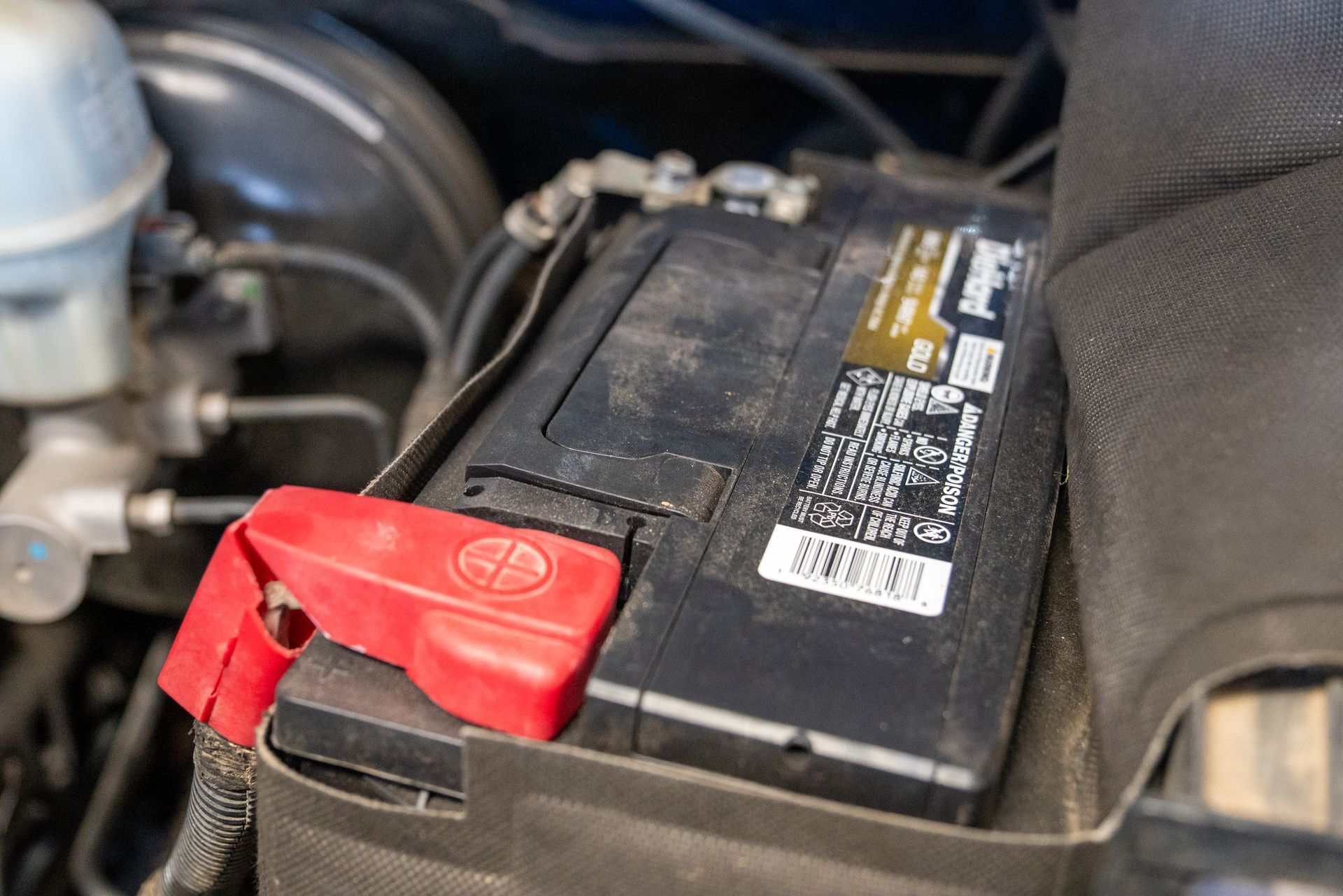
Putting part of your refund toward vehicle maintenance is a smart move. Preventative auto repair saves you money in the long run. Here are smart ways to use your refund: Catch up on overdue maintenance Replace worn tires Fix that oil leak Take care of brake repairs Schedule a full digital vehicle inspection Ignoring small problems can lead to bigger, more expensive repairs later. Spring is a great time to reset your vehicle and prepare for summer driving. Money-Saving Tip: Preventative maintenance costs far less than emergency repairs and towing. If you’ve been putting off repairs, now is the time. Call David’s Automotive Repair at 972-625-1836 or schedule your visit online today. Let’s use that tax refund the smart way.
By David's Automotive Repair March 9, 2026
Discover expert computer diagnostics at David's Automotive Repair in The Colony, TX. Enhance car health with precision analysis. Schedule an online appointment now!
March 6, 2026
Wet roads reduce traction. If your tires are worn, your stopping distance increases. That means your brakes have to work even harder to keep you safe. Rain can also: Make worn brake pads more noticeable Cause slipping if your tread is low Increase the risk of hydroplaning Expose alignment issues If your steering feels loose or your car pulls to one side, it could be an alignment or suspension problem. Good tire tread and healthy brakes are critical for safe driving in rainy weather. Money-Saving Tip: Rotating your tires regularly helps them wear evenly and last longer. Not sure if your tires or brakes are ready for spring rain? Call David’s Automotive Repair at 972-625-1836 or book online today. We’ll inspect everything and keep you safe on wet roads.
March 3, 2026
When spring arrives, warmer weather and rain can reveal problems winter was hiding. You might notice: New rattles or vibrations A squeaking belt Brake noise A check engine light Fluid spots on your driveway Cold weather can shrink seals and hoses. When temps rise, small cracks can turn into leaks. Potholes from winter can knock your suspension out of alignment. Even your battery may struggle after months of cold starts. Spring is the perfect time for a vehicle inspection in the DFW. Catching small issues now can prevent breakdowns later. Money-Saving Tip: Fixing a small oil or coolant leak early is much cheaper than replacing a failed engine component later. If your vehicle feels different after winter, don’t ignore it. Call David’s Automotive Repair at 972-625-1836 or schedule your appointment online today. Let’s make sure your car is ready for spring driving.
February 27, 2026
Headlights help you see at night and in the rain. They also help other drivers see you. Dim headlights reduce how far you can see. Burned-out bulbs make it harder for others to notice your vehicle. Cloudy headlight lenses can block light and make the problem worse. Windshield wipers help clear rain and dirt from the glass. Cold weather can damage wiper blades. Old blades can crack, harden, or tear. When this happens, water smears across the windshield instead of clearing away. Poor headlights and worn wipers make driving more risky. It becomes harder to see cars, signs, and road edges. This can lead to close calls or accidents during bad weather. At David’s Automotive Repair in The Colony, TX, we check headlights, wipers, and washer fluid during inspections. These small parts play a big role in safe winter driving. Money-saving tip: Replacing worn wiper blades before heavy rain helps avoid poor visibility and reduces the risk of weather-related accidents. Call David’s Automotive Repair at 972-625-1836 or tap the “Make Reservation” button to schedule your service online.
February 26, 2026
Cold causes parts to stiffen. Rubber bushings can harden. Metal parts can tighten. This can lead to clunking or knocking sounds when driving over bumps or rough roads. These sounds often mean a part is worn or loose. Winter roads also cause problems. Potholes and rough pavement are common in cold weather. Hitting these areas can damage shocks, struts, and suspension joints. Even small hits can add stress over time. Worn suspension parts can affect how your vehicle drives. Steering may feel loose or unstable. The vehicle may bounce more than normal. Tires may wear unevenly when suspension parts are not working right. Cold and wet weather can make handling problems worse. Poor suspension control can reduce stability on slick roads. This can increase stopping distance and reduce driver control. At David’s Automotive Repair in The Colony, TX, we check suspension parts during winter inspections. Finding worn parts early helps keep your vehicle safe and helps avoid larger repairs. Money-saving tip : Repairing worn suspension parts early can help prevent uneven tire wear. This can prevent the cost of replacing tires too soon. Call David’s Automotive Repair at 972-625-1836 or tap the “Make Reservation” button to schedule your service online.
February 19, 2026
Oil changes are a good example. Clean oil helps protect engine parts. Old oil becomes dirty and thick. When oil does not flow well, engine parts wear faster. This can lead to engine damage over time. Fluid checks are also important. Low coolant can cause the engine to overheat. Low brake fluid can affect stopping power. Low transmission fluid can cause shifting problems. These issues often start small and grow when ignored. Tires need regular checks too. Uneven tire wear can shorten tire life. Worn tires reduce grip on wet roads. Tire rotations help tires wear evenly and last longer. Cold weather can make problems show up faster. Engines work harder in winter. Batteries fail more often. Tire pressure drops as temperatures fall. Vehicles that miss maintenance are more likely to break down. At David’s Automotive Repair in The Colony, TX, we help drivers stay on track with regular auto maintenance. Staying ahead of repairs helps avoid stress and high repair bills. Money-saving tip: Keeping up with oil changes helps avoid engine damage that can turn a basic service into a repair that costs thousands of dollars. Call David’s Automotive Repair at 972-625-1836 or tap the “Make Reservation” button to schedule your service online.
February 18, 2026
Brake noise is one of the most common problems we see. Squealing brakes often mean the brake pads are worn. Grinding sounds can mean the pads are completely gone and metal is touching metal. When this happens, calipers can be damaged. Engine noises are also a warning sign. Knocking, ticking, or tapping sounds may point to low oil, dirty oil, or worn engine parts. Cold weather can make these noises louder because parts tighten as temperatures drop. Suspension noises like clunks or rattles can come from worn shocks, struts, or joints. These parts help keep your vehicle stable. Ignoring these sounds can lead to poor handling and uneven tire wear. At David’s Automotive Repair in The Colony, TX, we encourage drivers to have noises checked early. Finding the cause right away helps prevent damage and keeps repair costs lower. Call David’s Automotive Repair at 972-625-1836 or tap the “Make Reservation” button to schedule your service online.
February 13, 2026
One of the first things we check is the brake system . Brakes work harder in wet and cold conditions. Worn brake pads or rotors can increase stopping distance. Brake fluid is also important. Old or low brake fluid can affect braking performance. Next, we inspect tires and tire pressure. Cold weather causes tire pressure to drop. Low pressure reduces traction and can cause uneven tire wear. We also check tread depth to make sure tires can grip the road during rain. The battery and charging system are also important in winter. Cold temperatures make batteries work harder. A weak battery may start fine one day and fail the next. Testing the battery helps prevent no-start situations. We also look at fluids, belts, and hoses. Fluids thicken in cold weather and may not protect parts as well. Belts and hoses can crack or leak when temperatures drop. Catching these problems early helps avoid breakdowns. At David’s Automotive Repair in The Colony, TX, our winter safety inspections focus on keeping your vehicle safe and reliable during cold weather driving. Money-saving tip: Testing your battery before it fails can help you avoid towing costs and emergency replacement prices. Call David’s Automotive Repair at 972-625-1836 or tap the “Make Reservation” button to schedule your service online.
February 11, 2026
Brake pads wear down over time. When pads are thin, they cannot grip the rotors the right way. Worn rotors also reduce braking strength and cause vibration. Wet roads require longer stopping distances. If brakes are already worn, your vehicle may not stop in time during sudden braking. At David’s Automotive Repair in The Colony, TX, we inspect brake pads, rotors, and brake fluid to help keep drivers safe. Money-saving tip: Replacing brake pads early helps prevent damage to other parts, which can double the cost of a brake repair if ignored. Call David’s Automotive Repair at 972-625-1836 or tap the “Make Reservation” button to schedule your service online.
More Posts