Understanding Your Car's Alternator: The Powerhouse of Your Vehicle
The alternator is a critical component in your vehicle’s electrical system.
It keeps your car’s battery charged and powers the electrical systems while the engine is running. Let’s explore what the alternator does, how it works, and why it’s important to maintain it.
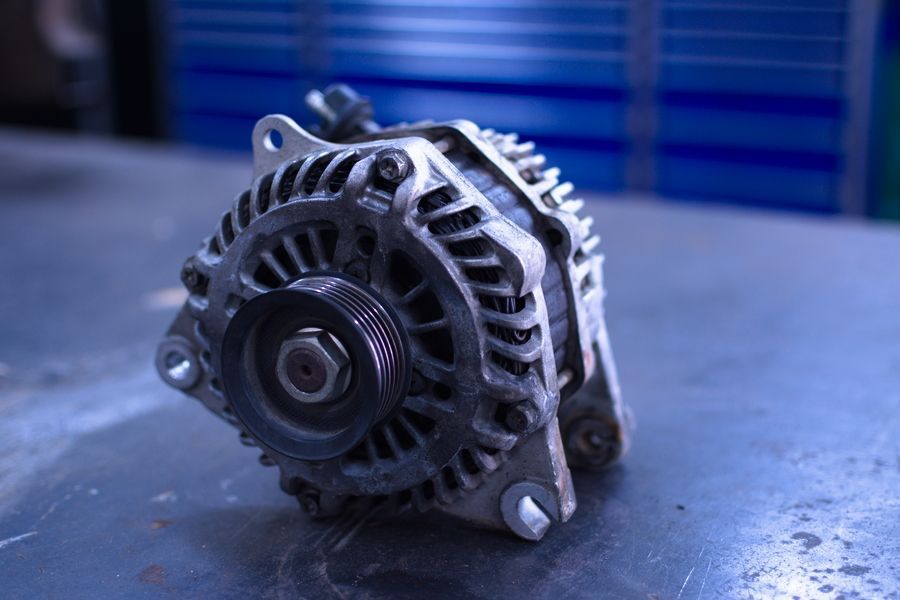
What Is the Alternator?
The alternator is a device that converts mechanical energy from the engine into electrical energy. It’s driven by a belt connected to the engine’s crankshaft. This mechanical energy is turned into electrical power, which is then used to charge the battery and power the car’s electrical systems.
How Does the Alternator Work?
Here’s a simple explanation of how your alternator operates:
Engine Power
: When the engine is running, it turns the alternator’s belt. This belt drives the alternator’s rotor, which spins inside the stator (a set of stationary coils).
Generating Electricity
: As the rotor spins, it creates a magnetic field that induces an electrical current in the stator coils. This current is then converted from alternating current (AC) to direct current (DC) by the alternator’s rectifier.
Charging the Battery:
The DC power produced by the alternator is used to recharge the car’s battery and supply power to various electrical components such as the lights, radio, and air conditioning.
Maintaining Voltage:
The alternator also regulates the voltage level to ensure that the battery and electrical systems receive a consistent amount of power.
Common Alternator Issues
While alternators are designed to be durable, they can encounter problems. Here are some common issues:
Dim or Flickering Lights:
If you notice that your headlights or dashboard lights are dimming or flickering, it could be a sign that the alternator isn’t providing enough power.
Warning Light:
Most vehicles have a warning light on the dashboard that indicates alternator issues. If this light comes on, it’s time to have your alternator checked.
Strange Noises
: A failing alternator may produce unusual noises, such as grinding or whining sounds. These noises often indicate that the alternator bearings or other components are worn out.
Battery Issues:
If your battery is frequently running low or has trouble holding a charge, it could be due to a malfunctioning alternator.
Maintaining Your Alternator
To keep your alternator in good working condition, follow these maintenance tips:
Regular Inspections:
Have your alternator checked during routine maintenance visits. This can help catch any issues before they become major problems.
Check the Belt:
Ensure that the drive belt connected to the alternator is in good condition and properly tensioned. A worn or loose belt can affect the alternator’s performance.
Listen for Noises:
Pay attention to any unusual sounds coming from the engine. If you hear grinding or whining, have the alternator inspected promptly.
Get Your Alternator Checked at David’s Automotive Repair
At David’s Automotive Repair, we understand the importance of a reliable alternator for your vehicle’s performance. Our skilled technicians can diagnose and repair any alternator issues to ensure your car’s electrical system runs smoothly.
Visit us at 4915 Branch Hollow Dr, The Colony, TX, or call us at
972-625-1836
to schedule an appointment. Trust us to keep your vehicle’s electrical system in top shape and avoid any power-related troubles on the road!
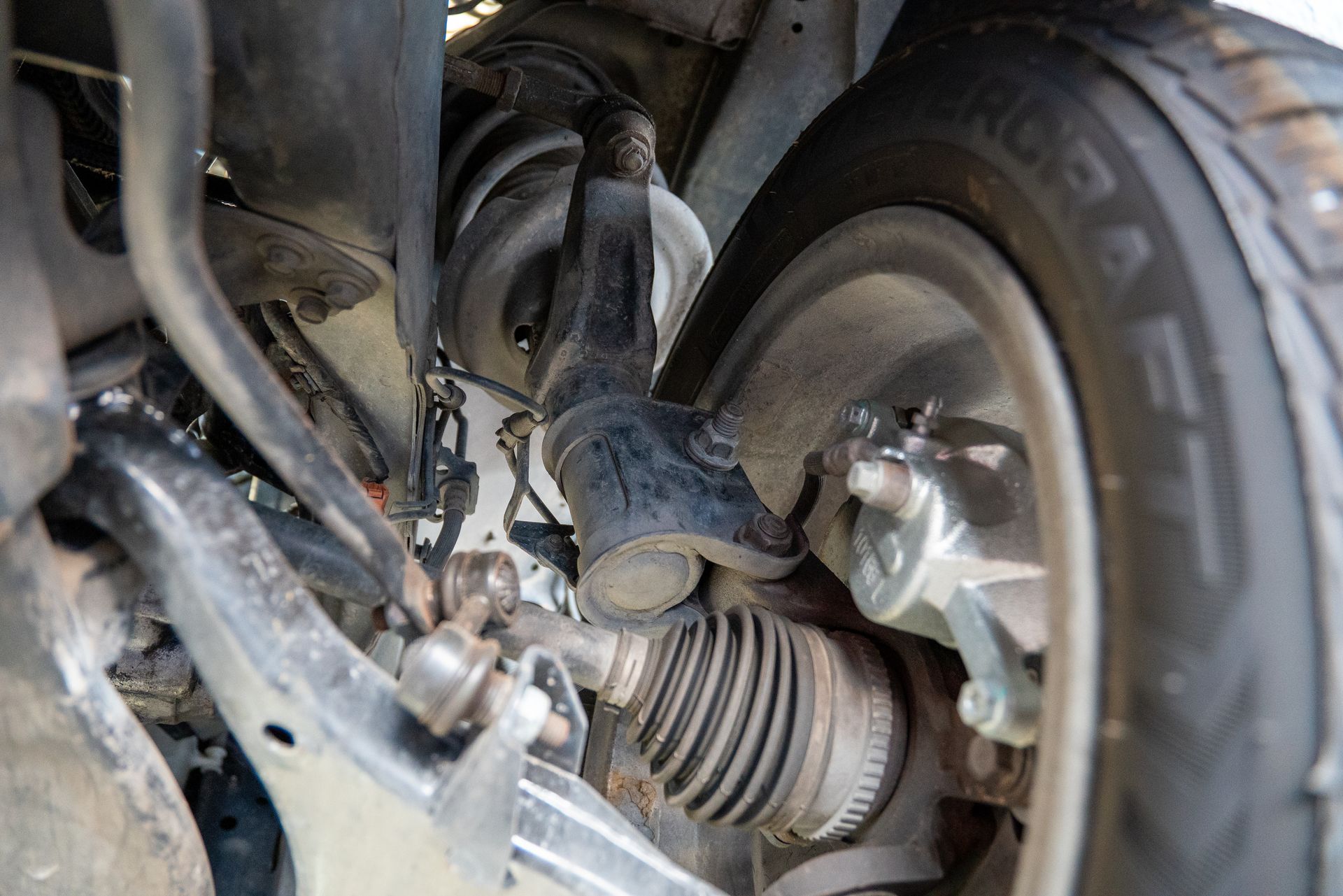
If your steering feels loose or your car wanders on the road, there may be wear in the steering or suspension system. You may feel like you have to keep moving the steering wheel just to stay in your lane.
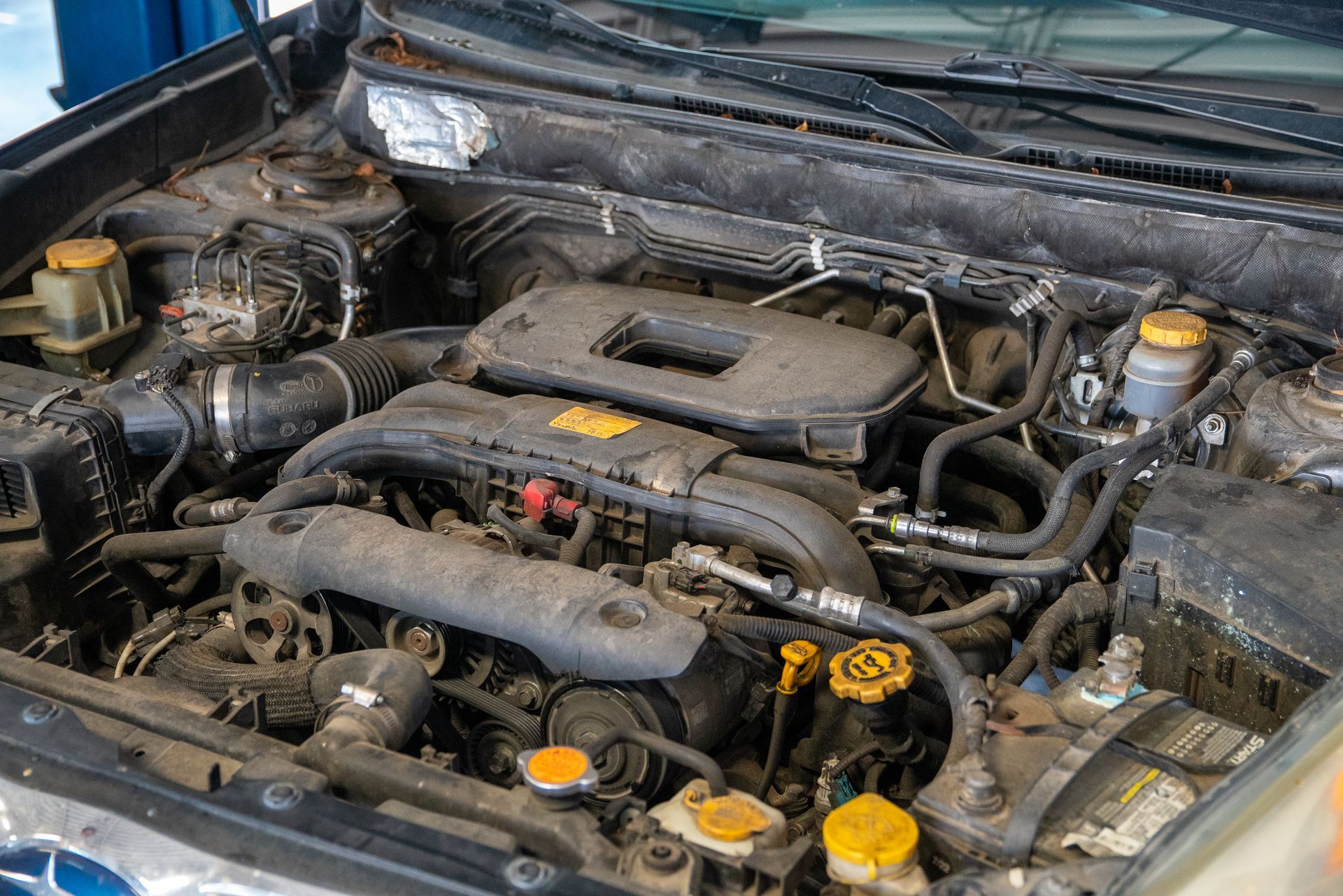
If your car stalls at stoplights but runs while you are driving, the engine may be having trouble staying running at idle. The cause could be an air, fuel, ignition, or electrical problem.
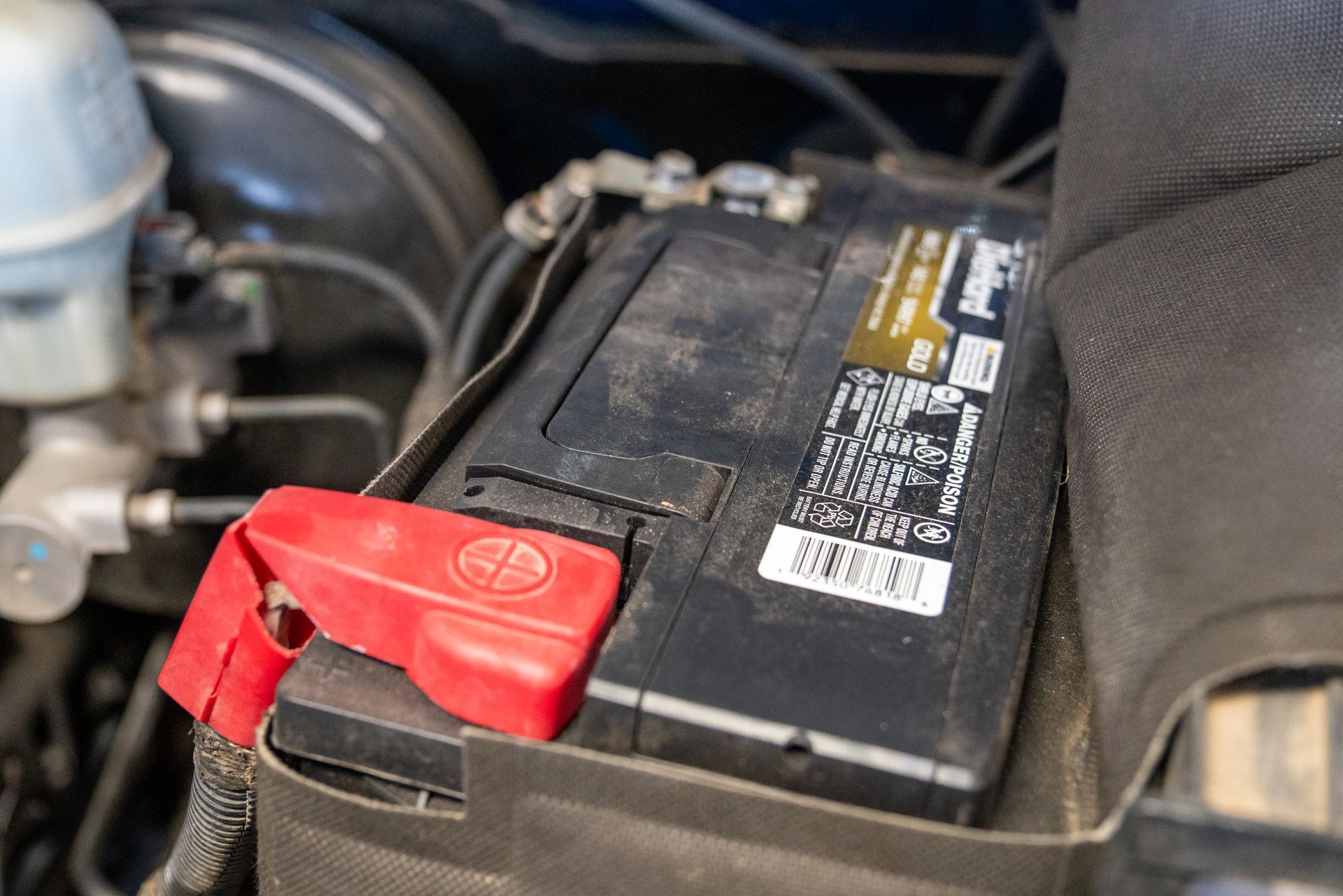
Yes. A weak battery can cause warning lights, slow starting, flickering lights, and other strange electrical problems. Modern vehicles use many computers, and those computers need steady voltage to work the right way.
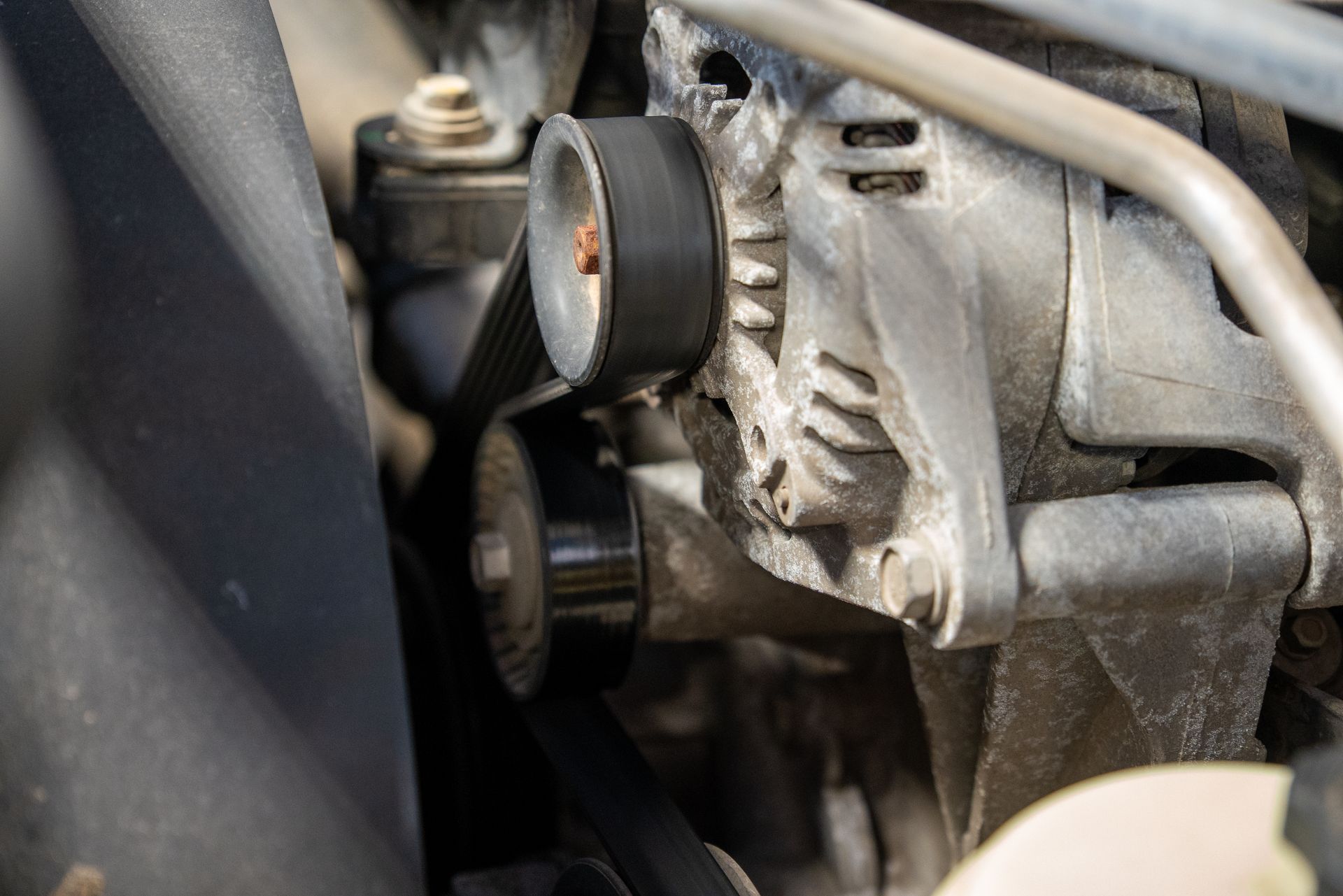
If your car squeals when you first start it, the noise may be coming from the serpentine belt or one of the parts that keeps the belt moving. The sound may last only a few seconds or continue until the engine warms up.
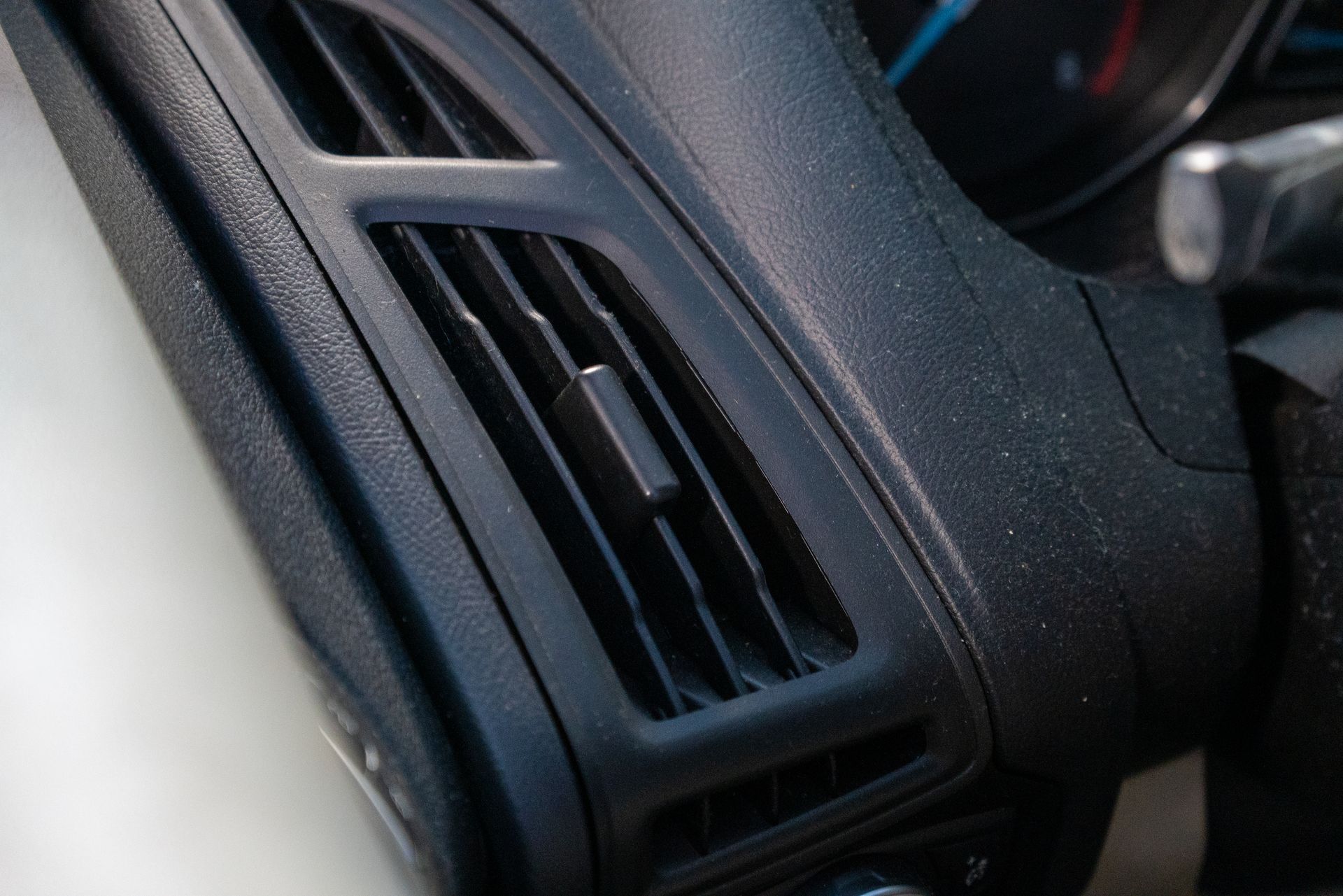
If your heater blows warm air on one side and cold air on the other, the HVAC system may not be directing air the right way. This is common on vehicles with dual-zone climate control, where the driver and passenger can choose different temperatures.
Discover the importance of alignments at David's Automotive Repair in The Colony, TX. Optimize your vehicle's performance. Call us today!
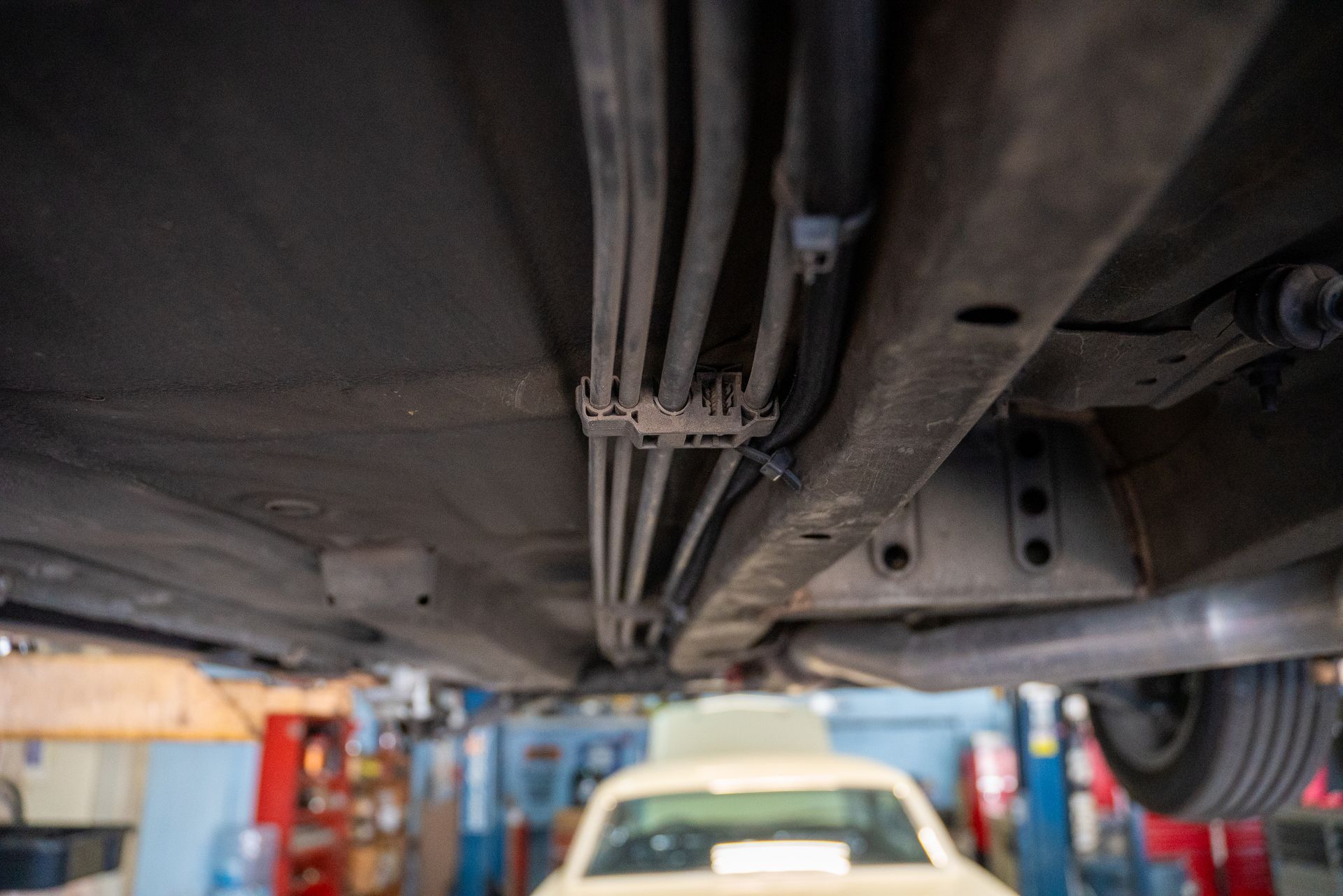
If your car smells like gas, take the odor seriously. A fuel smell can come from a fuel leak, EVAP system problem, loose gas cap, or another issue that lets fuel or fuel vapor escape.
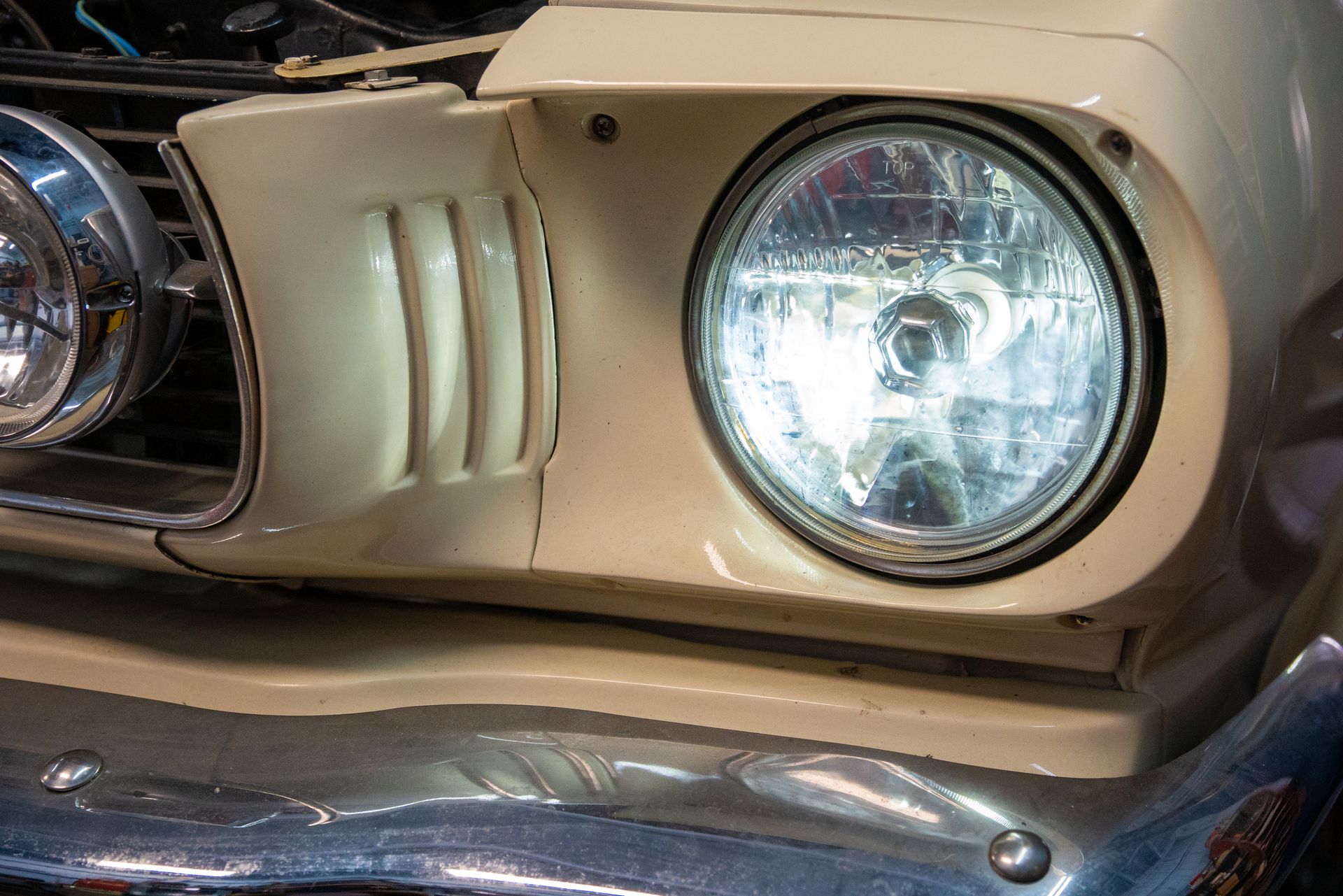
If your headlights dim when you stop at a red light, the charging system may need attention. You may notice the lights get brighter again when you press the gas or start moving.
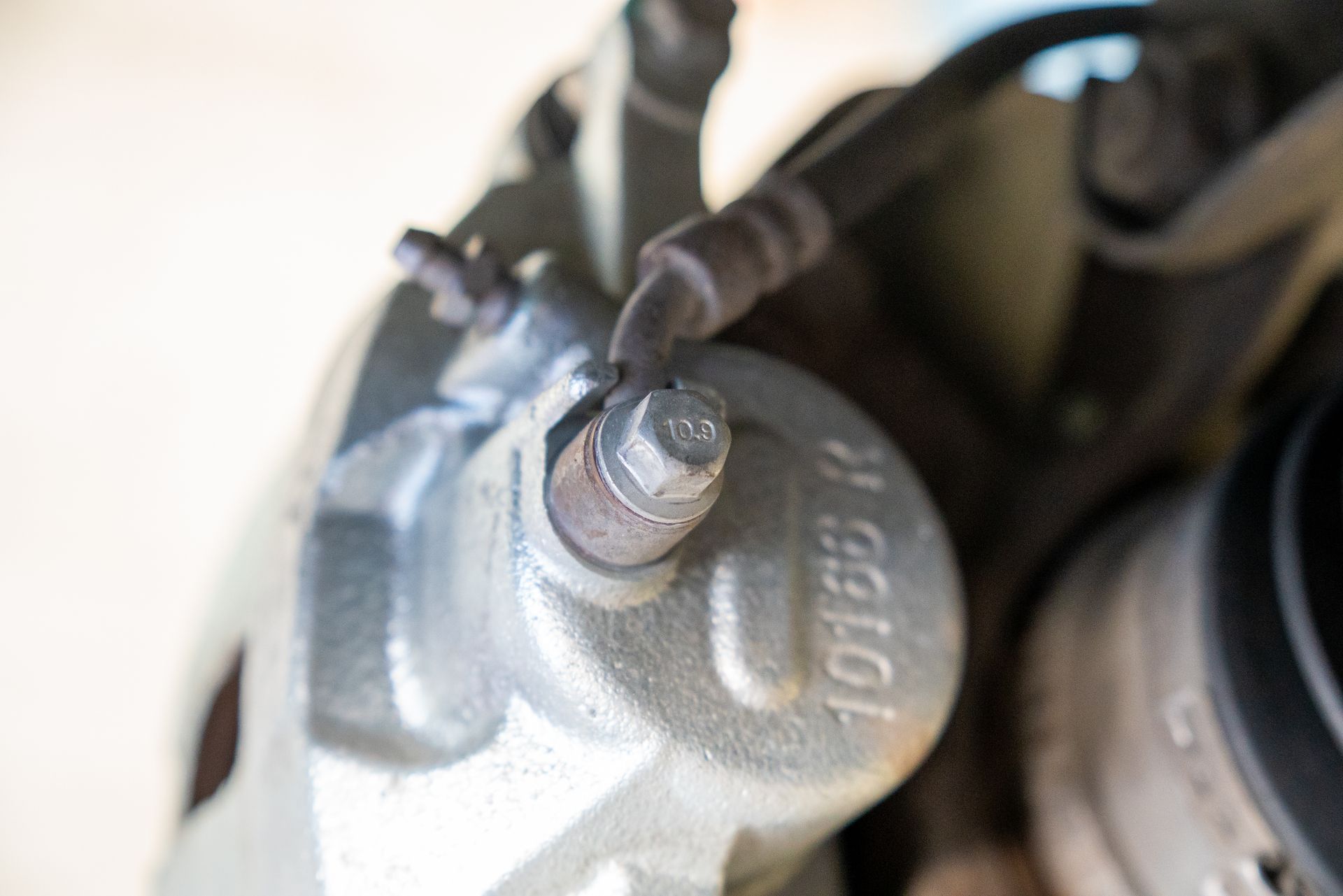
A soft or spongy brake pedal can mean there is a problem in the brake system. The pedal may feel like it sinks too far, feels weak, or does not give you the firm feel you expect when stopping.
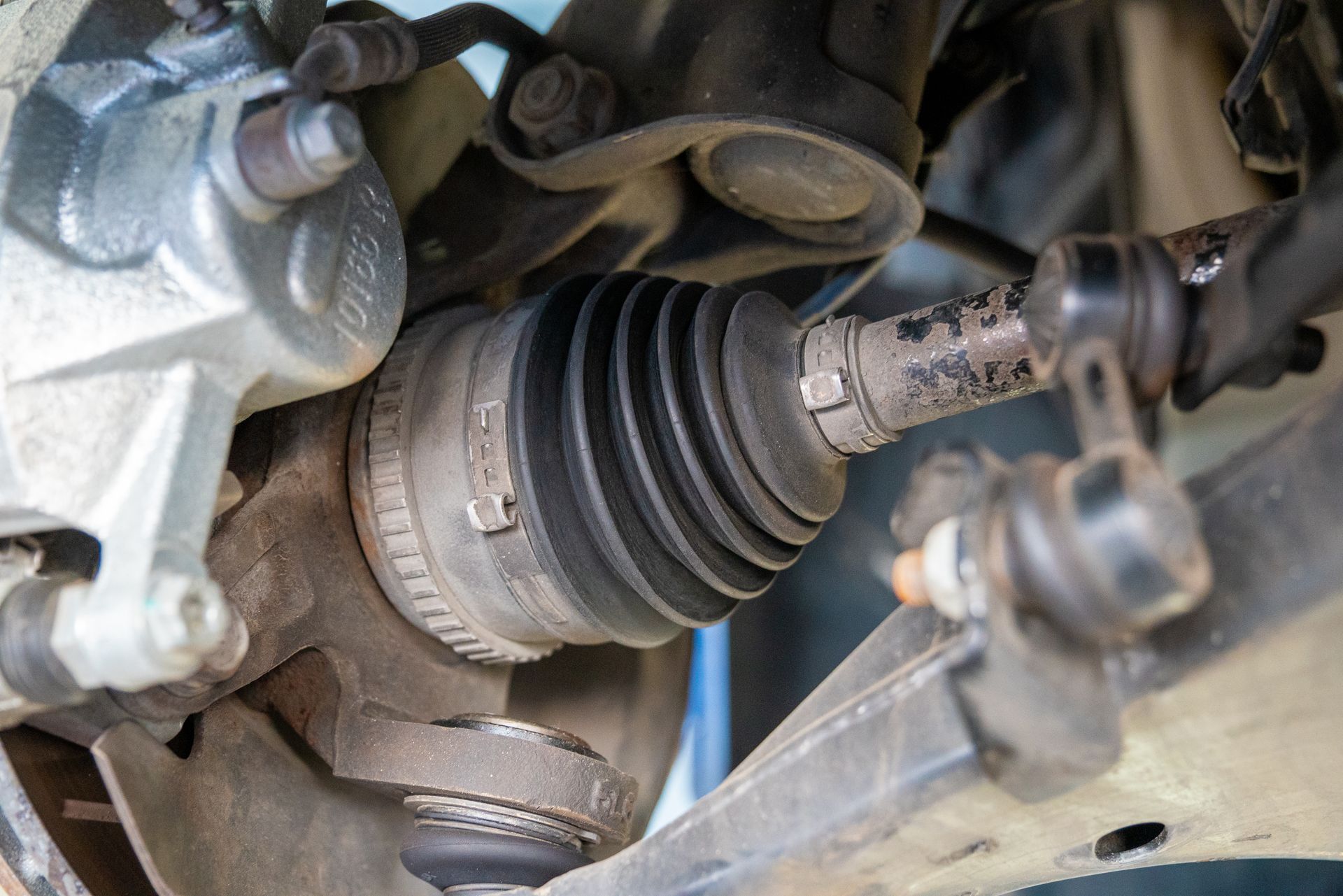
If you hear a clicking sound when you turn, a worn CV joint is one of the most common causes. The noise may be louder during a sharp turn, such as when you pull into a parking space or make a U-turn.