Understanding the Clutch: Why the Old-School Clutch Is Still a Key Player in Modern Cars
Have you ever wondered how your car changes gears smoothly?
The magic behind this is something called the clutch. It’s a crucial part of your car’s transmission system. Let’s dive into what the clutch does and why it’s so important.
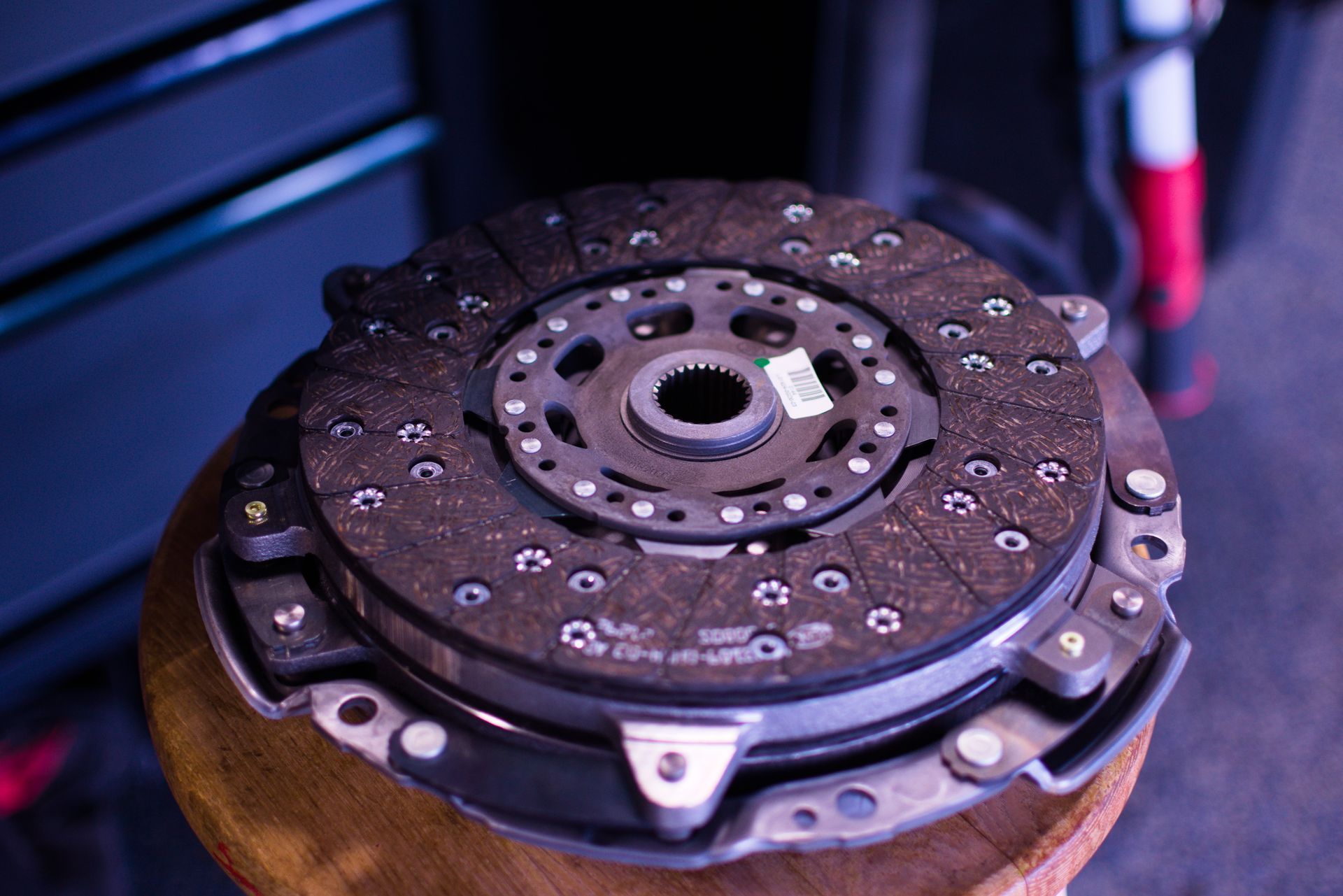
What is a Clutch?
The clutch is a special mechanism in your car that helps connect and disconnect the engine from the wheels. Think of it as a switch that lets you change gears without stopping the car. When you press the clutch pedal, it temporarily disconnects the engine from the wheels, allowing you to shift gears smoothly.
How Does the Clutch Work?
When you press the clutch pedal with your foot, you’re making a separation between the engine and the wheels. This happens because the clutch has two main parts: the clutch disc and the pressure plate.
- Clutch Disc:
This part is like a big, round sandwich that sits between the engine and the transmission. It spins with the engine and helps transfer power to the wheels.
- Pressure Plate:
This part pushes against the clutch disc to press it tightly onto the flywheel, which helps power get to the wheels.
When you press the clutch pedal, the pressure plate moves away from the clutch disc, breaking the connection between the engine and the wheels. This allows you to change gears without grinding or damaging your transmission.
Why is the Clutch Important?
The clutch is essential for several reasons:
1. Smooth Gear Changes
: It helps you switch gears smoothly, making driving more comfortable and preventing damage to the transmission.
2. Starting from a Stop
: When you start your car from a stop, the clutch allows the engine to idle while you slowly release the pedal, making it easier to start moving without stalling.
3. Maneuvering in Traffic:
In slow-moving traffic, the clutch helps you control the car better, making it easier to navigate through tight spots or stop-and-go situations.
Signs Your Clutch Might Need Attention
Just like any other part of your car, the clutch can wear out over time. Here are some signs that you might need a clutch repair:
- Slipping Gears:
If your car feels like it's slipping out of gear or the engine revs without a corresponding increase in speed, it could be a clutch issue.
- Difficulty Shifting Gears
: If you have trouble changing gears or hear strange noises when you try, your clutch might be wearing out.
- Grinding Noises:
Grinding sounds when shifting gears can indicate that the clutch is not engaging or disengaging properly.
Taking Care of Your Clutch
To keep your clutch in good shape, here are a few tips:
- Don’t Ride the Clutch:
Avoid resting your foot on the clutch pedal while driving. This can cause unnecessary wear and tear.
- Shift Gears Smoothly:
Try to change gears gently without jerking or forcing them.
- Get Regular Check-ups
: Have your clutch checked during regular maintenance visits to catch any issues early.
Understanding the clutch and its role in your car can help you appreciate its importance in your vehicle’s operation. If you notice any of the signs mentioned, it's a good idea to have your clutch checked by
David’s Automotive Repair
to keep your car running smoothly.
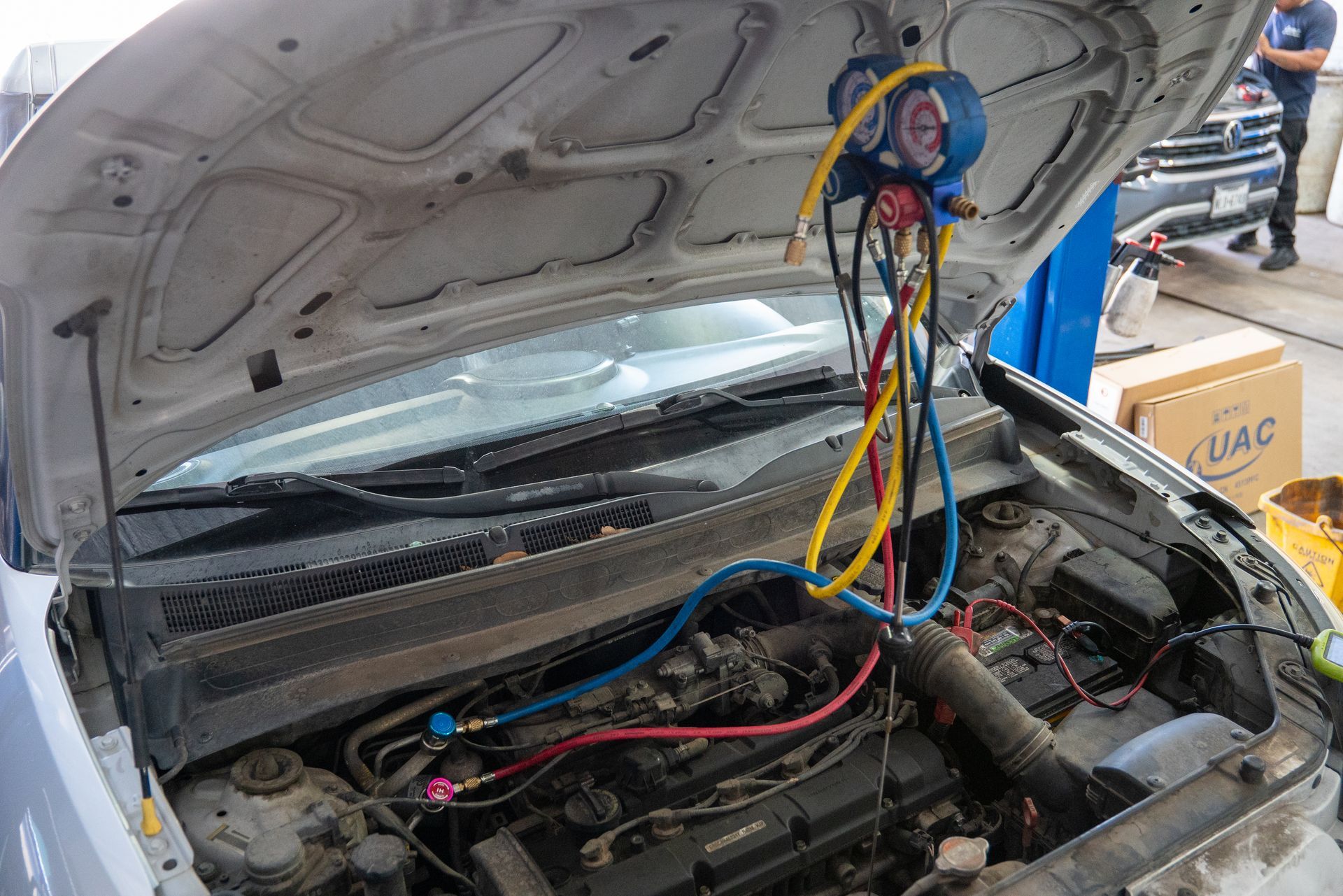
A small coolant leak can turn into overheating. Worn brakes can fail faster in stop-and-go traffic. Weak batteries can die without warning. Taking care of small auto repairs in spring helps you avoid major summer breakdowns. Common small repairs include: Replacing worn belts Fixing minor leaks Brake pads and rotor replacement Battery testing It’s always cheaper to fix a small problem before it becomes a big one. Don’t wait for summer heat to expose hidden problems. Call David’s Automotive Repair at 972-625-1836 or book your appointment online today.

Getting your car ready now helps prevent roadside breakdowns later. Spring maintenance should include: Cooling system check AC performance test Brake inspection Tire check Battery test Planning ahead gives you time to fix issues before you need your vehicle the most. Don’t wait until the first 100-degree day to find out your AC isn’t working. Money-Saving Tip : Servicing your cooling system before summer can prevent costly overheating repairs. Get ahead of summer traffic and heat. Call David’s Automotive Repair at 972-625-1836 or schedule your spring maintenance online today. We’re here to keep you safely on the road.

Common post-winter warning signs include: Burning smells Musty odors from the vents Shaking while braking Steering wheel vibration Loud exhaust sounds A burning smell could mean a fluid leak. Musty air may point to a cabin filter issue. Vibrations could signal brake or suspension problems. These small signs often mean something needs attention. The sooner you diagnose the issue, the less damage it can cause. Money-Saving Tip: Replacing a dirty cabin air filter improves air flow and protects your AC system. If your vehicle doesn’t feel or smell right, call David’s Automotive Repair at 972-625-1836 or schedule online today. We’ll find the cause and fix it fast.

Winter driving can hide wear and damage. A spring auto inspection helps you catch problems early before summer heat makes them worse. A digital vehicle inspection includes checking: Brakes Tires Battery Belts and hoses Fluid levels Suspension Alignment Catching issues now helps prevent breakdowns when temperatures rise. A vehicle inspection gives you peace of mind and helps you plan repairs instead of reacting to emergencies. Money-Saving Tip: Planning repairs ahead of time allows you to budget instead of facing surprise costs. Ready for a spring digital vehicle inspection? Call David’s Automotive Repair at 972-625-1836 or schedule online today. We’ll help you drive into summer with confidence.

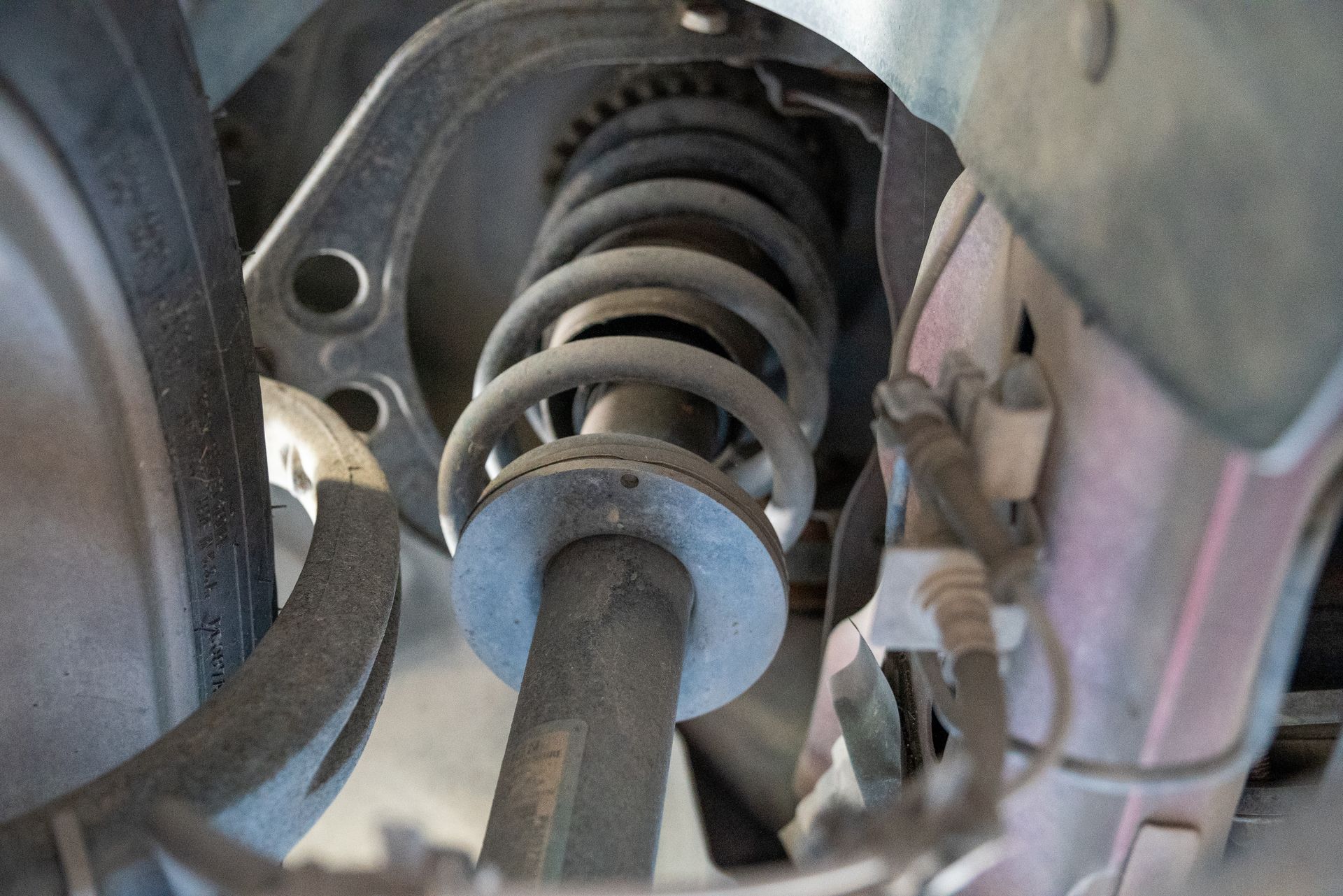
Your suspension system includes shocks and struts, ball joints, control arms, and bushings. These items wear out over time and wear out faster in extreme conditions. When these parts wear out, you may notice: A bumpy ride Clunking noises Uneven tire wear Steering that feels loose Worn suspension parts don’t just affect comfort. They affect safety and tire life too. Spring is a common time for drivers to notice suspension issues after a long winter. Money-Saving Tip: Fixing suspension problems early can prevent premature tire replacement. If your ride feels rough or noisy, call David’s Automotive Repair at 972-625-1836 or schedule online today. We’ll inspect your suspension and keep your vehicle riding smooth.

Putting part of your refund toward vehicle maintenance is a smart move. Preventative auto repair saves you money in the long run. Here are smart ways to use your refund: Catch up on overdue maintenance Replace worn tires Fix that oil leak Take care of brake repairs Schedule a full digital vehicle inspection Ignoring small problems can lead to bigger, more expensive repairs later. Spring is a great time to reset your vehicle and prepare for summer driving. Money-Saving Tip: Preventative maintenance costs far less than emergency repairs and towing. If you’ve been putting off repairs, now is the time. Call David’s Automotive Repair at 972-625-1836 or schedule your visit online today. Let’s use that tax refund the smart way.
Discover expert computer diagnostics at David's Automotive Repair in The Colony, TX. Enhance car health with precision analysis. Schedule an online appointment now!

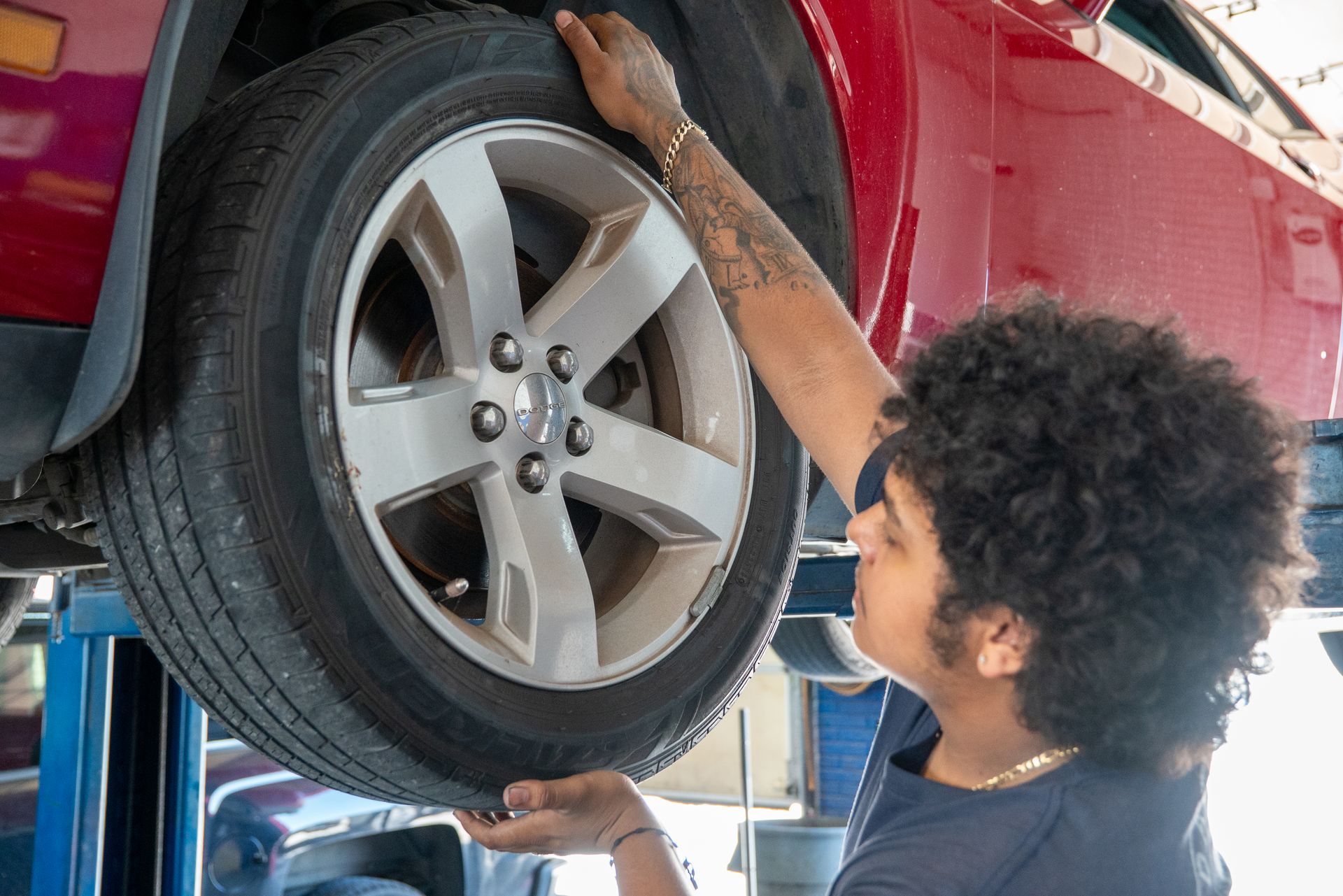
Wet roads reduce traction. If your tires are worn, your stopping distance increases. That means your brakes have to work even harder to keep you safe. Rain can also: Make worn brake pads more noticeable Cause slipping if your tread is low Increase the risk of hydroplaning Expose alignment issues If your steering feels loose or your car pulls to one side, it could be an alignment or suspension problem. Good tire tread and healthy brakes are critical for safe driving in rainy weather. Money-Saving Tip: Rotating your tires regularly helps them wear evenly and last longer. Not sure if your tires or brakes are ready for spring rain? Call David’s Automotive Repair at 972-625-1836 or book online today. We’ll inspect everything and keep you safe on wet roads.

When spring arrives, warmer weather and rain can reveal problems winter was hiding. You might notice: New rattles or vibrations A squeaking belt Brake noise A check engine light Fluid spots on your driveway Cold weather can shrink seals and hoses. When temps rise, small cracks can turn into leaks. Potholes from winter can knock your suspension out of alignment. Even your battery may struggle after months of cold starts. Spring is the perfect time for a vehicle inspection in the DFW. Catching small issues now can prevent breakdowns later. Money-Saving Tip: Fixing a small oil or coolant leak early is much cheaper than replacing a failed engine component later. If your vehicle feels different after winter, don’t ignore it. Call David’s Automotive Repair at 972-625-1836 or schedule your appointment online today. Let’s make sure your car is ready for spring driving.

Headlights help you see at night and in the rain. They also help other drivers see you. Dim headlights reduce how far you can see. Burned-out bulbs make it harder for others to notice your vehicle. Cloudy headlight lenses can block light and make the problem worse. Windshield wipers help clear rain and dirt from the glass. Cold weather can damage wiper blades. Old blades can crack, harden, or tear. When this happens, water smears across the windshield instead of clearing away. Poor headlights and worn wipers make driving more risky. It becomes harder to see cars, signs, and road edges. This can lead to close calls or accidents during bad weather. At David’s Automotive Repair in The Colony, TX, we check headlights, wipers, and washer fluid during inspections. These small parts play a big role in safe winter driving. Money-saving tip: Replacing worn wiper blades before heavy rain helps avoid poor visibility and reduces the risk of weather-related accidents. Call David’s Automotive Repair at 972-625-1836 or tap the “Make Reservation” button to schedule your service online.