Tie Rods and Tie Rod Ends: The Unsung Heroes of Steering
Have you ever wondered what makes your steering smooth and precise?
A big part of that is thanks to the tie rods and tie rod ends. These essential components play a crucial role in your vehicle’s steering system, helping ensure that your wheels stay aligned and your driving experience remains safe and comfortable. Let’s explore what tie rods and tie rod ends do, why they’re important, and how to take care of them.
What Are Tie Rods and Tie Rod Ends?
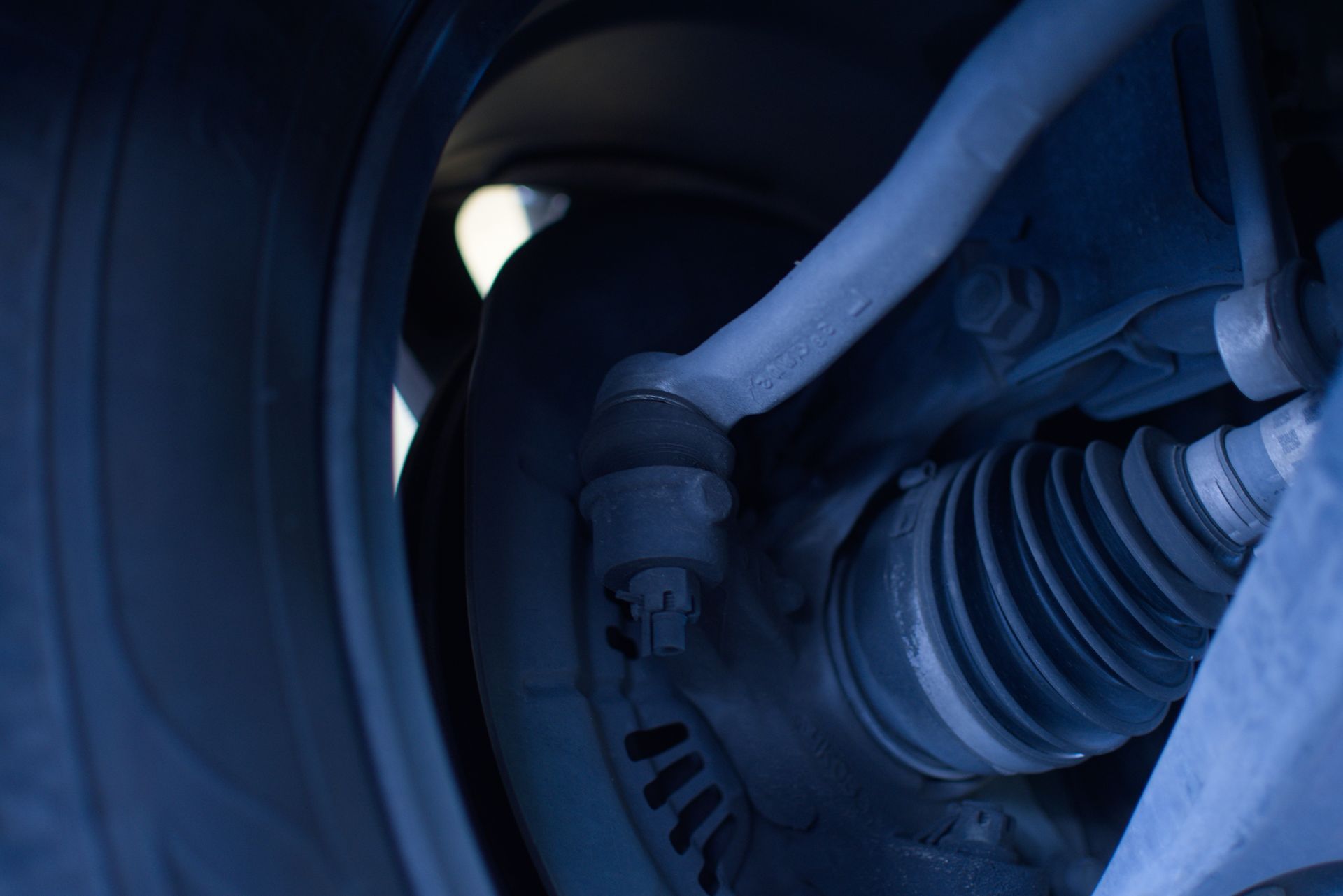
Tie rods are important parts of your vehicle’s steering system. They connect the steering rack to the wheels, helping transmit the steering input from your steering wheel to your tires. Essentially, tie rods play a vital role in steering your vehicle where you want it to go.
Tie rod ends are the joints at the end of the tie rods. They allow the tie rods to pivot and move with the suspension system as you drive. Tie rod ends are typically ball joints or threaded connections, and they help absorb the shock and vibrations from the road, keeping your steering smooth.
How Do Tie Rods and Tie Rod Ends Work?
When you turn your steering wheel, the steering rack moves, which in turn pushes or pulls the tie rods. The tie rods then transfer this movement to the wheels, turning them in the desired direction. Tie rod ends allow for smooth movement and adjustments as the vehicle's suspension moves up and down or as the wheels turn.
Why Are Tie Rods and Tie Rod Ends Important?
Precise Steering:
Tie rods and tie rod ends ensure that your steering inputs are accurately transmitted to your wheels, allowing for precise and controlled steering.
Alignment:
They help keep your wheels aligned properly. Misalignment can lead to uneven tire wear and poor handling, making it harder to drive safely.
Safety
: Properly functioning tie rods and tie rod ends are essential for maintaining the stability of your vehicle. Worn or damaged components can lead to steering issues, which can be dangerous while driving.
Common Issues with Tie Rods and Tie Rod Ends
Over time, tie rods and tie rod ends can wear out or become damaged. Here are some signs that you might need to have them inspected or replaced:
Steering Play:
If you notice excessive play or looseness in your steering wheel, it could be a sign of worn tie rods or tie rod ends.
Uneven Tire Wear
: Worn tie rods can cause uneven tire wear, as they may affect the alignment of your wheels.
Clunking or Grinding Noises:
Unusual noises when turning or driving over bumps might indicate problems with the tie rod ends.
Pulling to One Side:
If your vehicle pulls to one side while driving, it could be a sign of alignment issues caused by worn tie rods.
Caring for Your Tie Rods and Tie Rod Ends
Regular maintenance and inspections are key to keeping your tie rods and tie rod ends in good condition. Here’s how to take care of them:
Routine Inspections:
Have your steering system checked regularly during routine maintenance visits to catch any potential issues early.
Prompt Repairs:
If you notice any signs of problems, such as steering play or unusual noises, bring your vehicle in for a professional inspection and repair.
Alignment Checks
: Regular alignment checks can help ensure that your tie rods and tie rod ends are functioning properly and that your wheels are aligned correctly.
Need a Tie Rod Check?
At David’s Automotive Repair, we understand the importance of a well-functioning steering system. Our skilled technicians are here to inspect, diagnose, and repair any issues with your tie rods and tie rod ends to ensure your vehicle remains safe and easy to drive.
Contact us
today or visit David’s Automotive Repair for expert tie rod and tie rod end service. Don’t let steering issues compromise your driving experience. We’re here to keep you on the road with confidence.
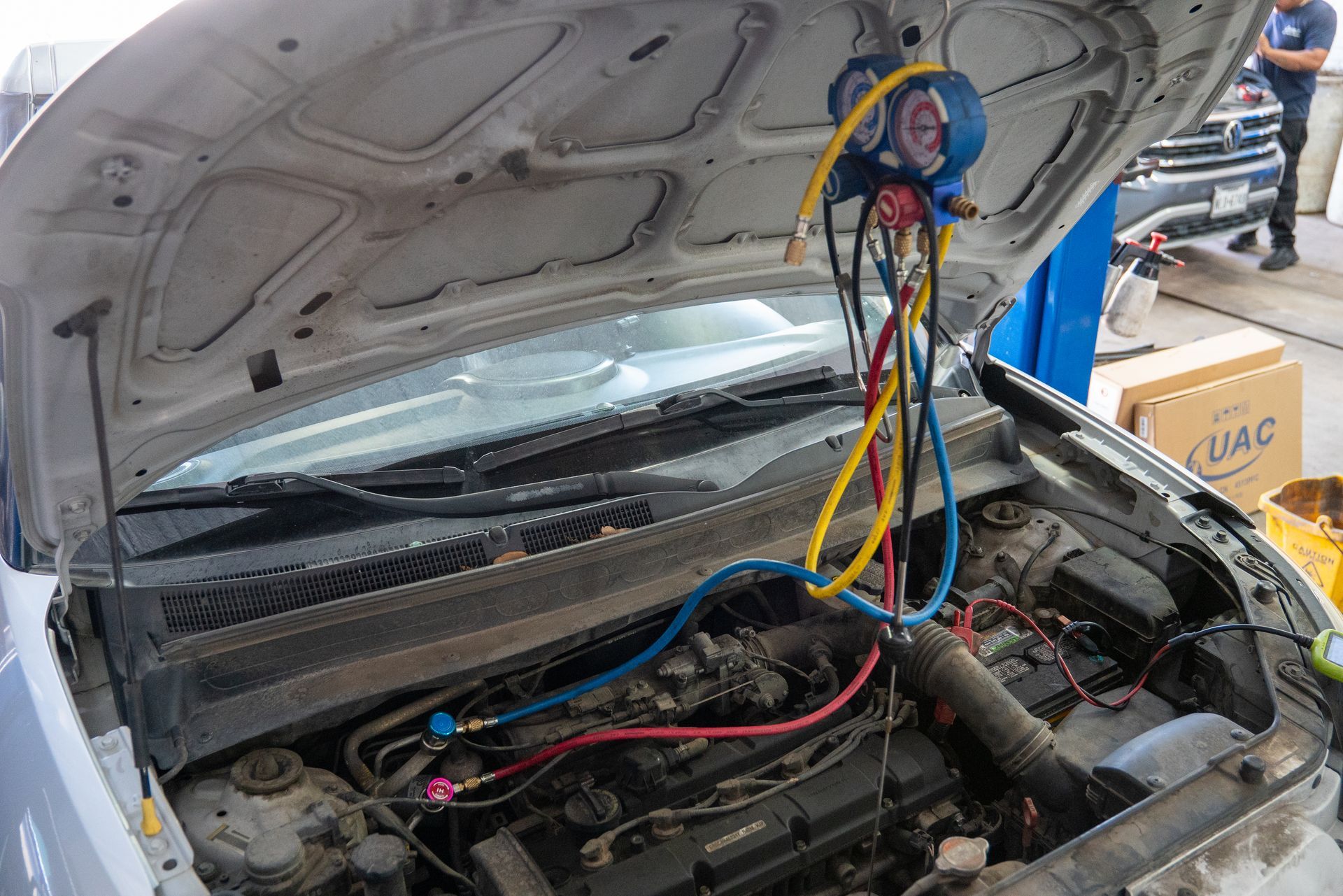
If you smell burning oil while driving , your vehicle may have an oil leak.
Ensure top performance with scheduled maintenance at David's Automotive Repair in The Colony, TX. Expert auto care you can trust. Schedule an appointment now!
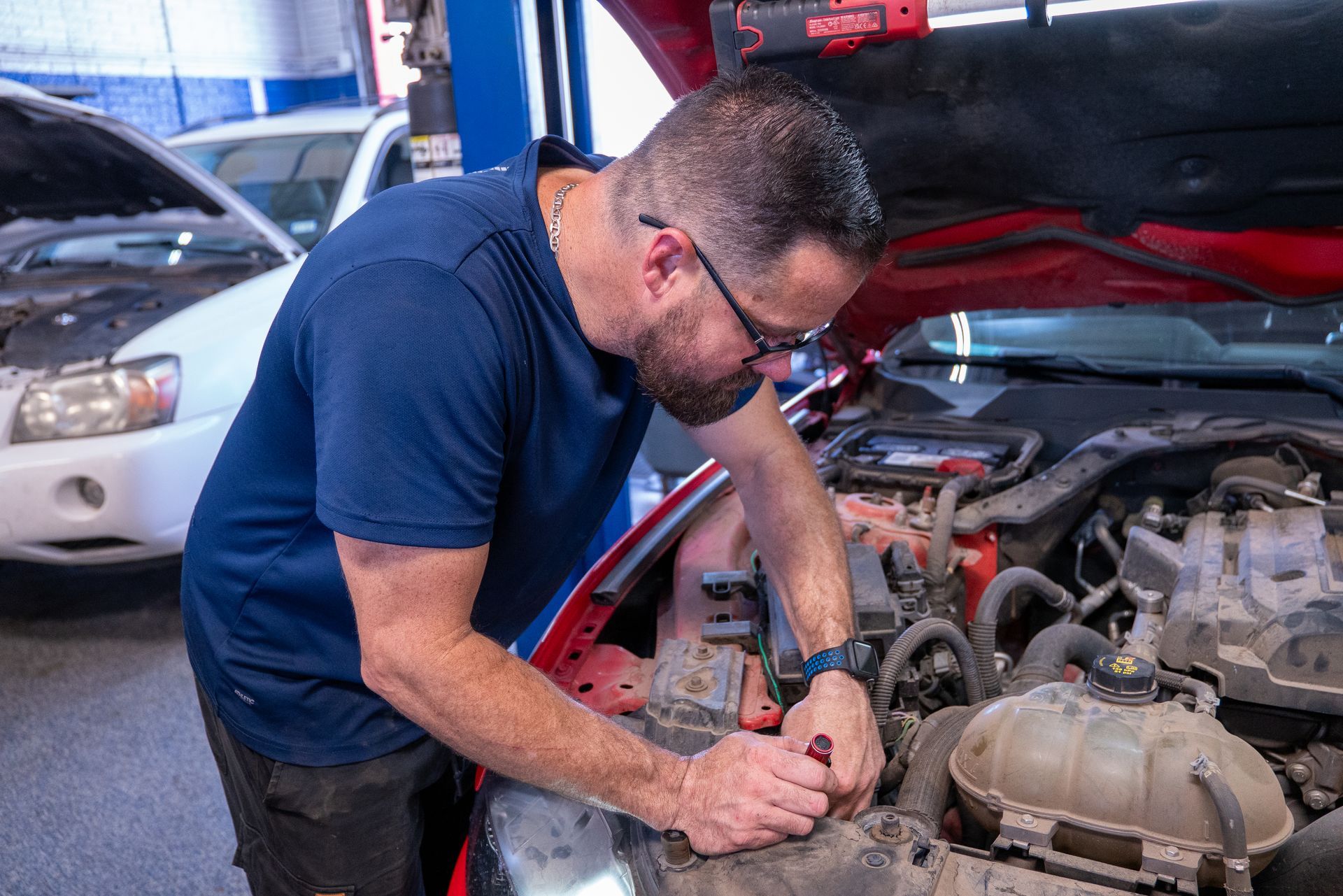
If your car hesitates when you accelerate, it may feel like the engine pauses before it picks up speed. You may also notice a lack of power, shaking, or a small jerk when you press the gas pedal.

Your Check Engine Light can come on even when your car seems to run fine .
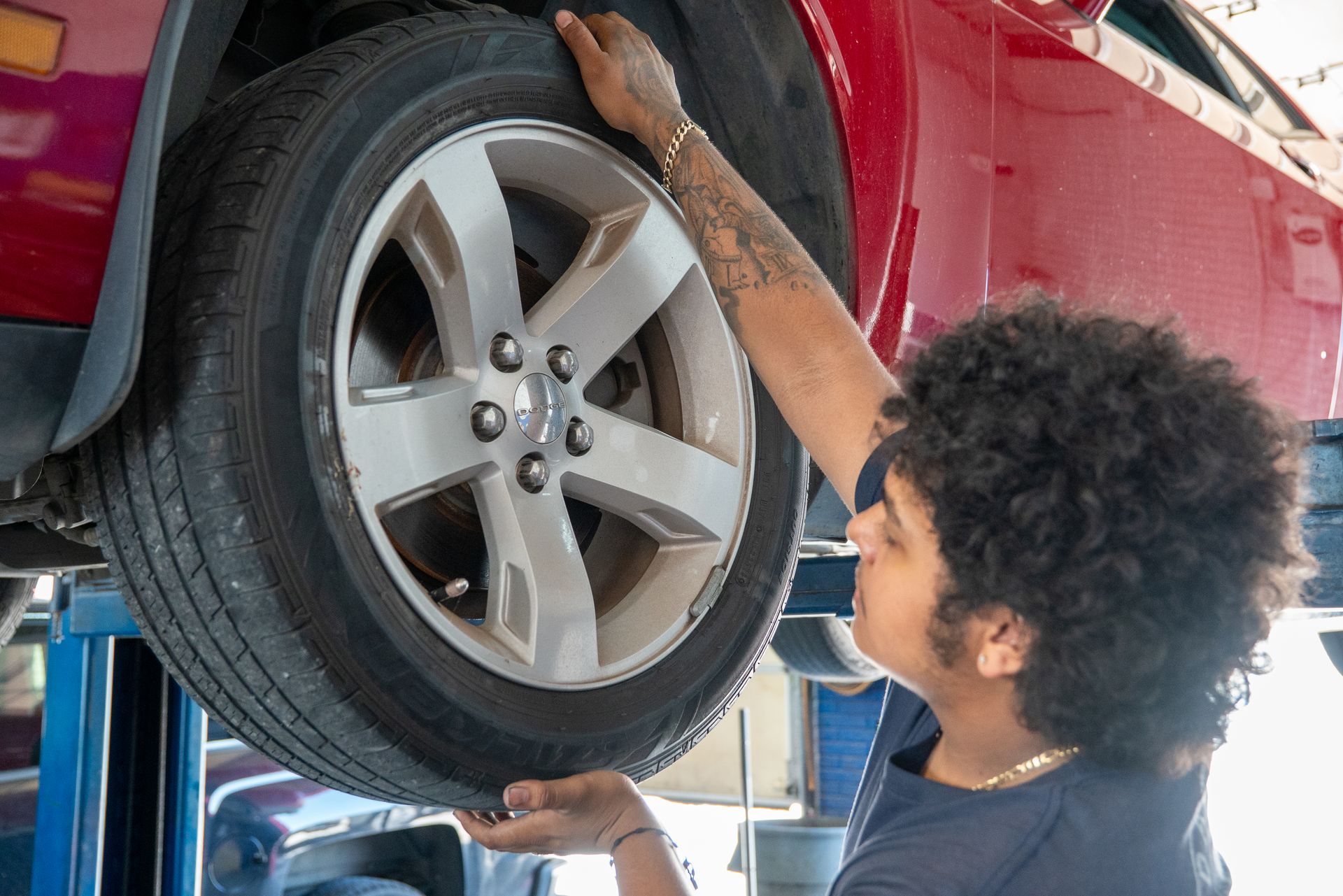
Yes. A bad wheel bearing can make a humming or growling sound that is easy to mistake for tire noise. The sound may start out quiet and get louder as you drive faster.
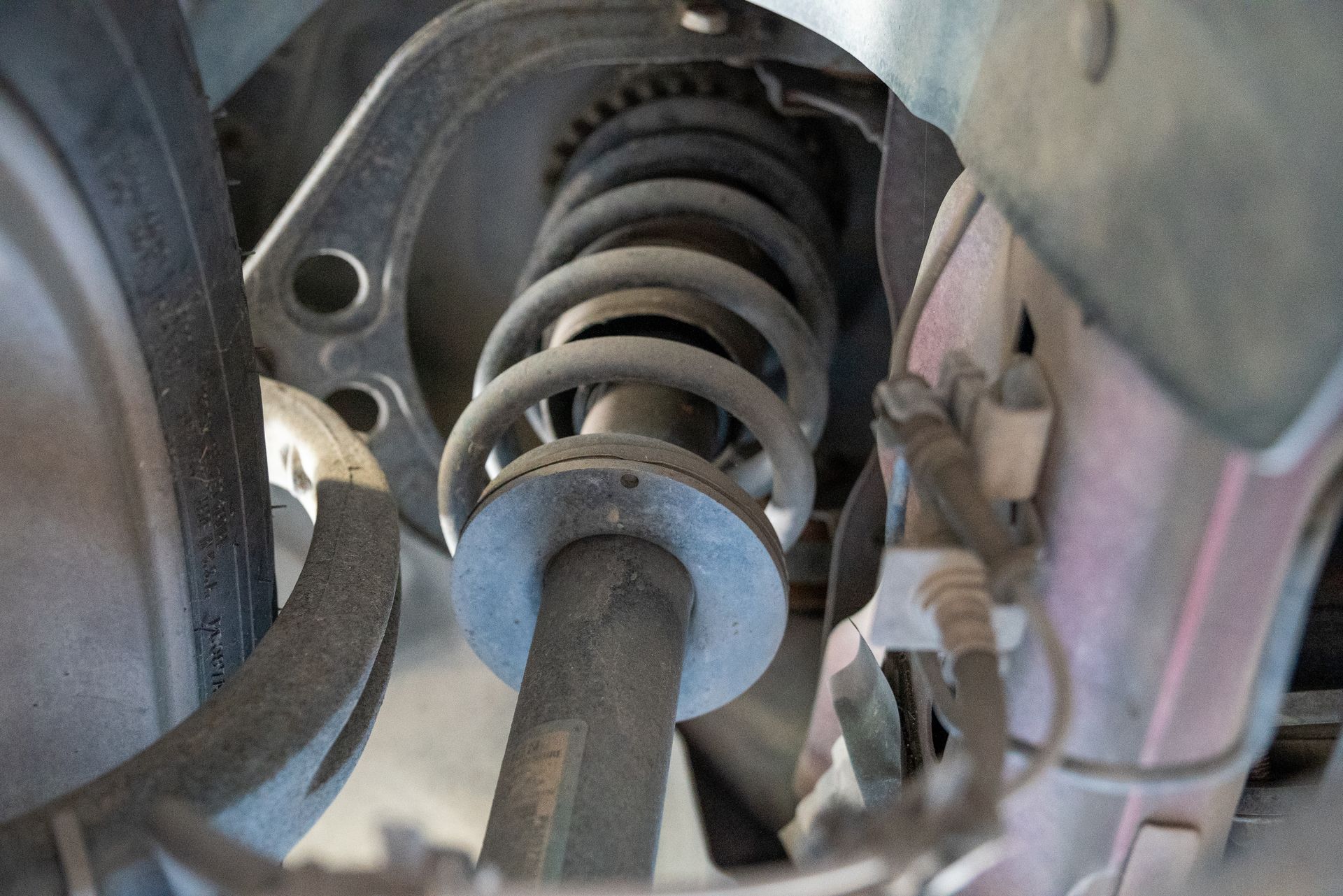
Your vehicle should not make a loud clunk each time you hit a bump. If you hear a clunking noise over bumps, there may be a worn or loose part in the suspension or steering system.
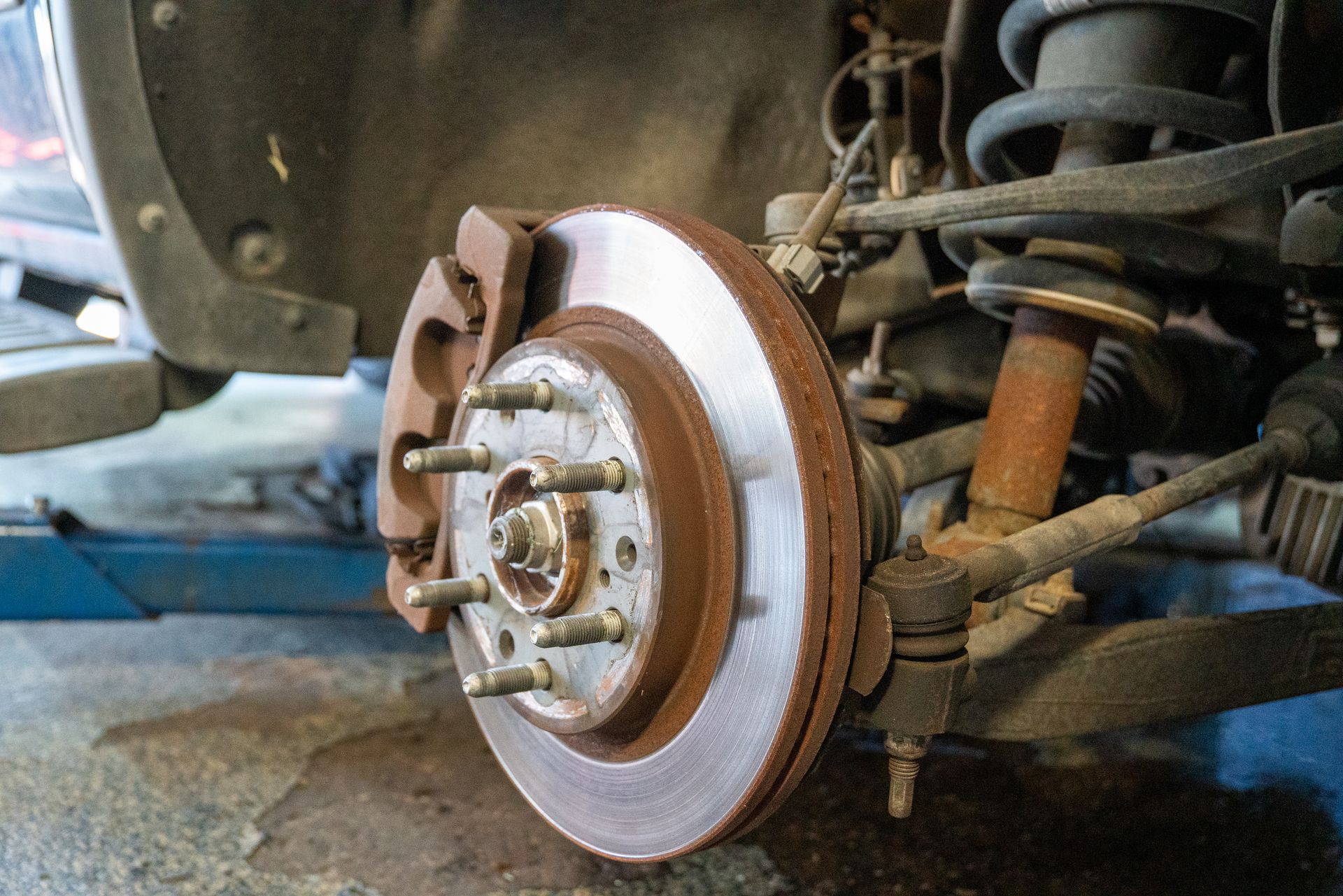
Your vehicle should stay straight when you press the brake pedal. If your car pulls left or right when braking, there may be a problem with the brakes, tires, or suspension.
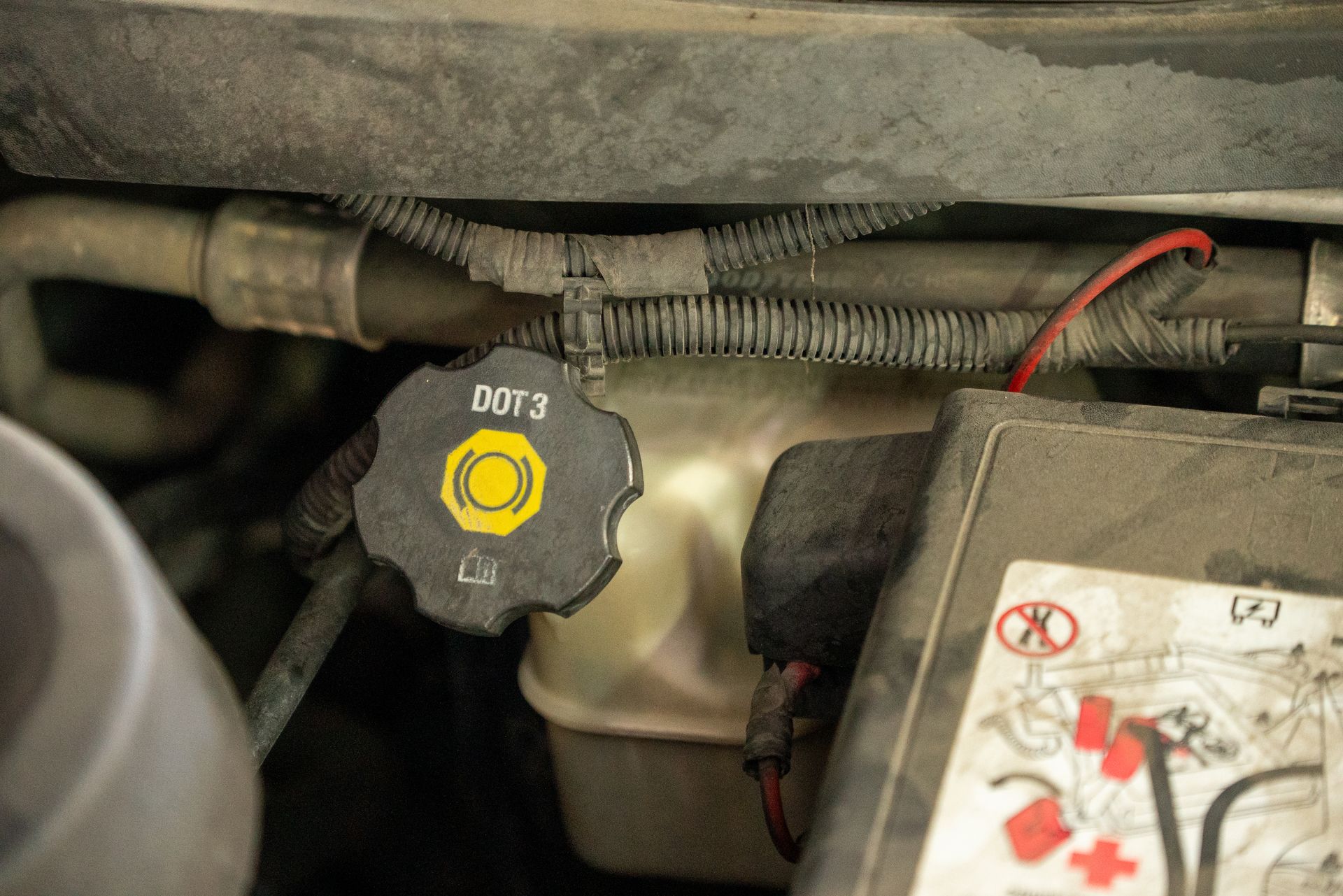
When people think about brake service, they usually think about brake pads or rotors. One part that often gets overlooked is the brake fluid.
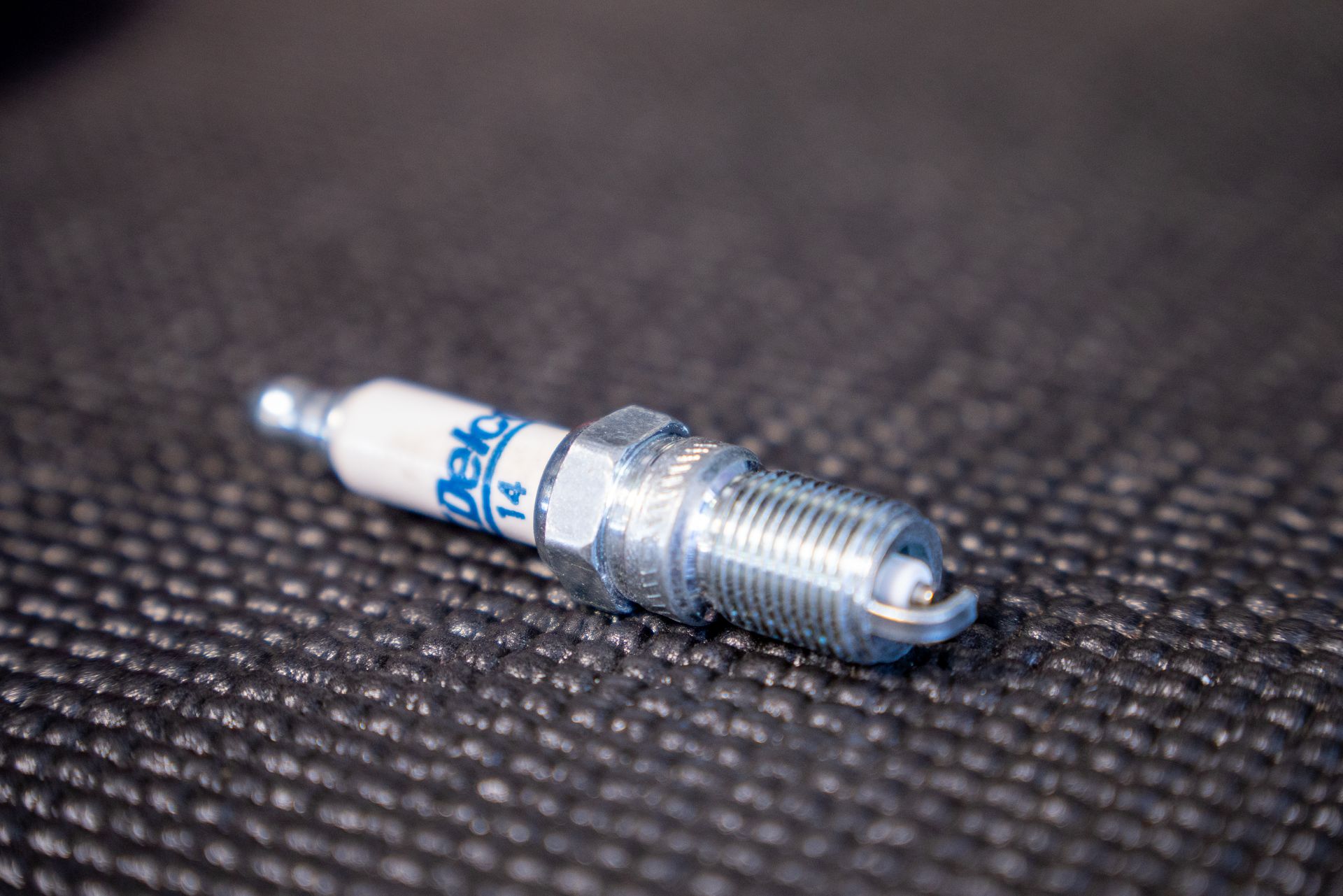
Your engine needs three things to run: air, fuel, and spark. Spark plugs provide that spark every time you start your vehicle. Even though they are small, they have a big job.
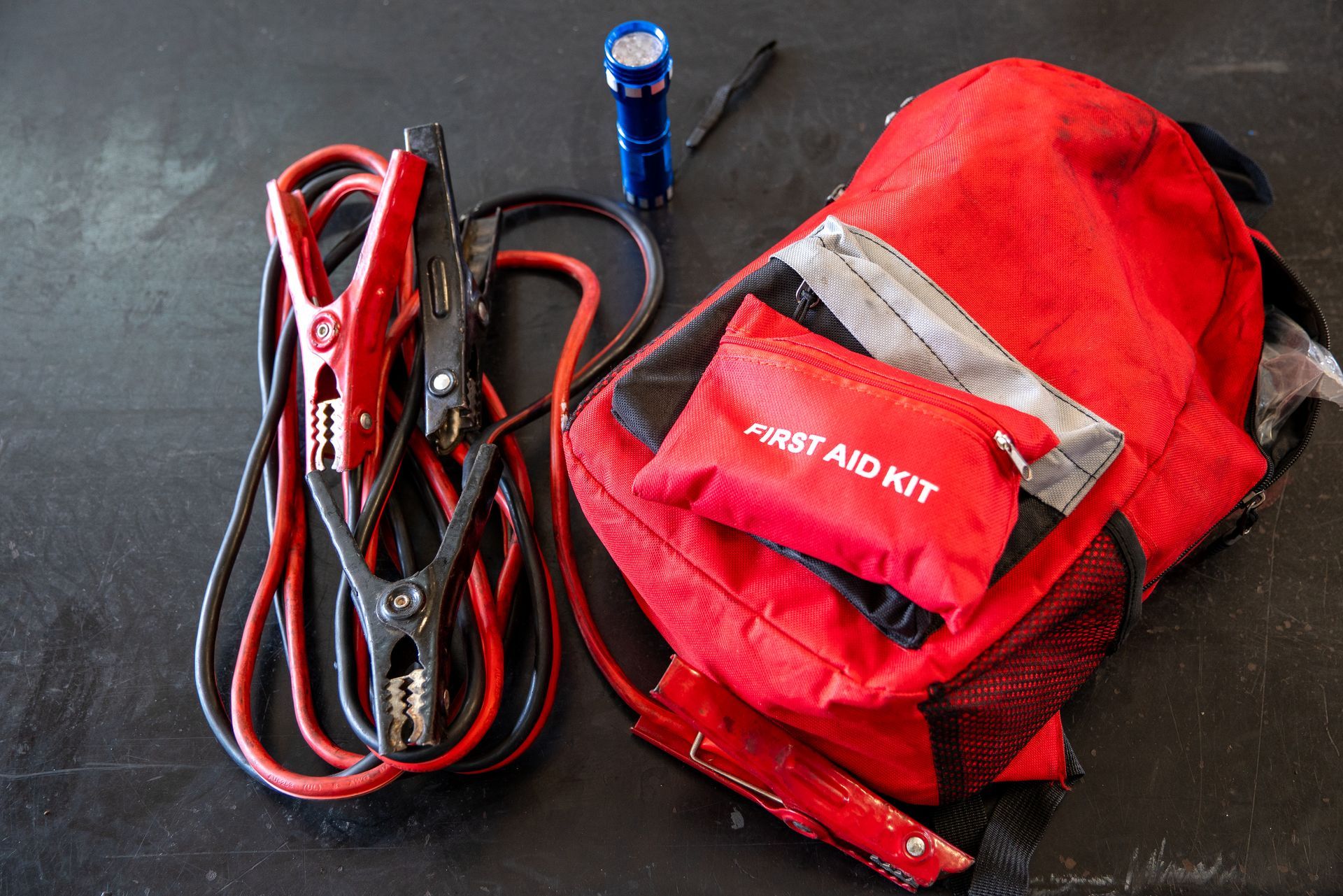
School is back, and that means your student will spend more time behind the wheel. Whether they are driving to high school, college, work, or sports practice, it's a good idea to make sure they are ready for the unexpected.