The Sway Bar: Essential for a Smooth Ride
Have you ever felt your vehicle sway or lean when you’re turning or driving over uneven surfaces?
That’s where the sway bar, also known as an anti-roll bar, comes into play. This crucial component helps keep your vehicle stable and improves your overall driving experience. Let’s dive into what a sway bar does, why it’s important, and how to take care of it.
What Is a Sway Bar?
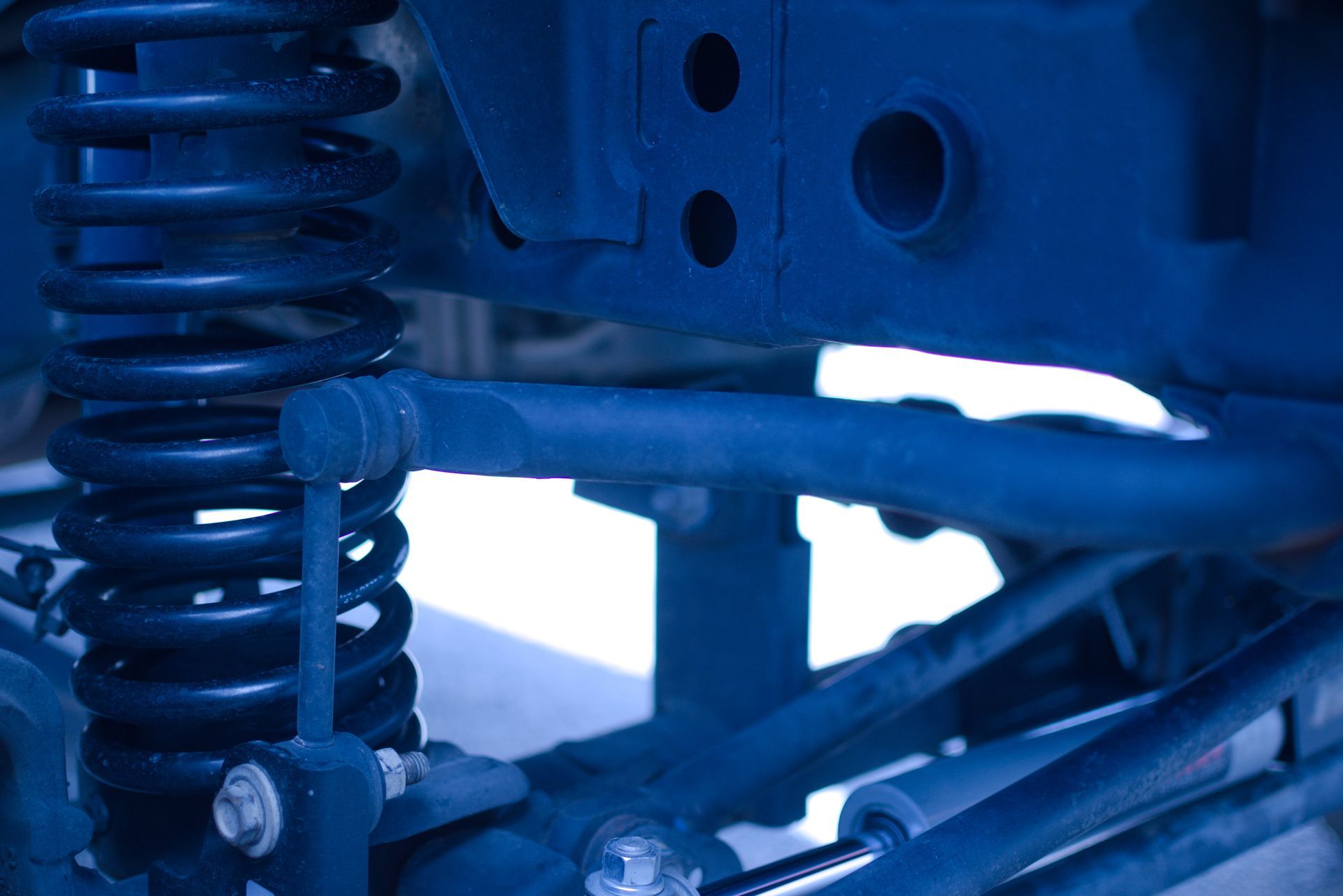
The sway bar is a metal rod that connects your vehicle’s suspension components on either side of the axle. Its primary job is to reduce the amount of body roll your car experiences during turns or when driving over bumps. By linking the left and right sides of the suspension, the sway bar helps distribute the forces evenly, minimizing the amount your vehicle leans or sways.
How Does the Sway Bar Work?
When you turn a corner, the weight of your vehicle shifts to the outside wheels. Without a sway bar, this shift can cause excessive leaning and instability. The sway bar helps counteract this effect by transferring some of the load from the outside wheels to the inside wheels, which keeps your vehicle’s body more level and improves handling.
Why Is the Sway Bar Important?
Improves Handling:
By reducing body roll, the sway bar enhances your vehicle’s handling, making it easier to navigate turns and drive on uneven surfaces.
Increases Safety:
A well-functioning sway bar improves stability, which can help prevent accidents caused by excessive swaying or leaning, especially during sharp turns or sudden maneuvers.
Enhances Comfort:
A sway bar contributes to a smoother ride by minimizing the amount of bouncing and swaying you feel, making your driving experience more pleasant.
Common Issues with Sway Bars
Like any vehicle component, the sway bar can develop problems over time. Here are some signs that you might need a sway bar inspection or repair:
Excessive Body Roll:
If you notice that your vehicle leans excessively during turns or over bumps, it might be a sign of a worn or damaged sway bar.
Clunking Noises:
Unusual noises, especially clunking sounds, when driving over bumps or making turns could indicate issues with the sway bar or its bushings.
Uneven Tire Wear:
Problems with the sway bar can lead to uneven tire wear, as the vehicle’s suspension may not be distributing weight properly.
Caring for Your Sway Bar
Regular maintenance and inspections can help extend the life of your sway bar and ensure your vehicle remains stable and comfortable. Here’s how to take care of it:
Regular Inspections:
Have your sway bar checked during routine maintenance visits to catch any potential issues early.
Address Issues Promptly:
If you notice signs of sway bar problems, such as excessive body roll or clunking noises, bring your vehicle in for a professional inspection and repair.
Quality Parts:
If repairs or replacements are needed, make sure to use high-quality parts to maintain the integrity and performance of your vehicle’s suspension system.
Need a Sway Bar Check?
At David’s Automotive Repair, we’re here to ensure your vehicle’s sway bar is in top condition. Our experienced technicians will inspect, diagnose, and repair any issues to keep your ride smooth and stable. Don’t let sway bar problems affect your driving experience.
Contact us today or visit David’s Automotive Repair for expert sway bar service and ensure your vehicle handles just the way you like it.
If you smell burning oil while driving , your vehicle may have an oil leak.
Ensure top performance with scheduled maintenance at David's Automotive Repair in The Colony, TX. Expert auto care you can trust. Schedule an appointment now!
If your car hesitates when you accelerate, it may feel like the engine pauses before it picks up speed. You may also notice a lack of power, shaking, or a small jerk when you press the gas pedal.

Your Check Engine Light can come on even when your car seems to run fine .
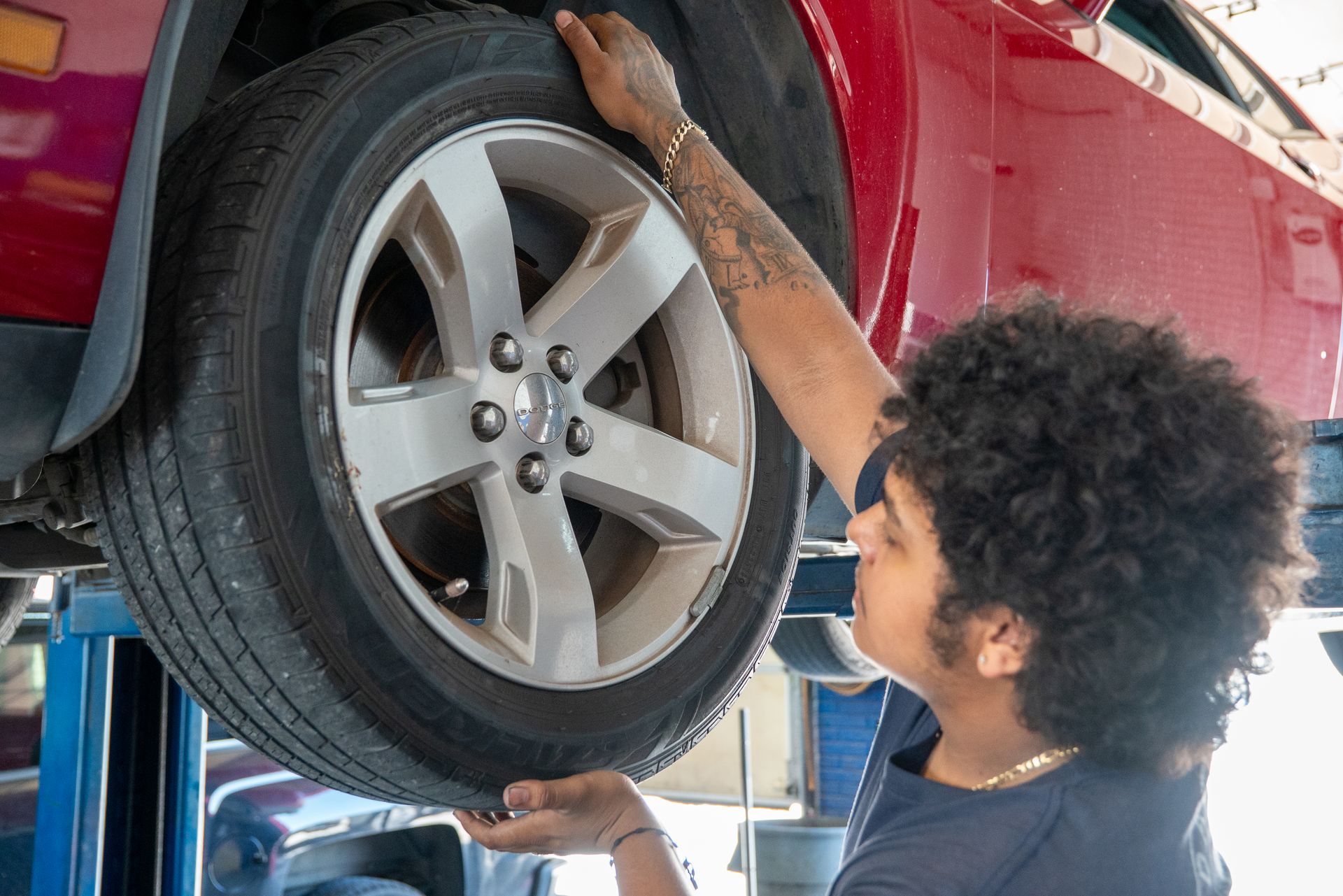
Yes. A bad wheel bearing can make a humming or growling sound that is easy to mistake for tire noise. The sound may start out quiet and get louder as you drive faster.
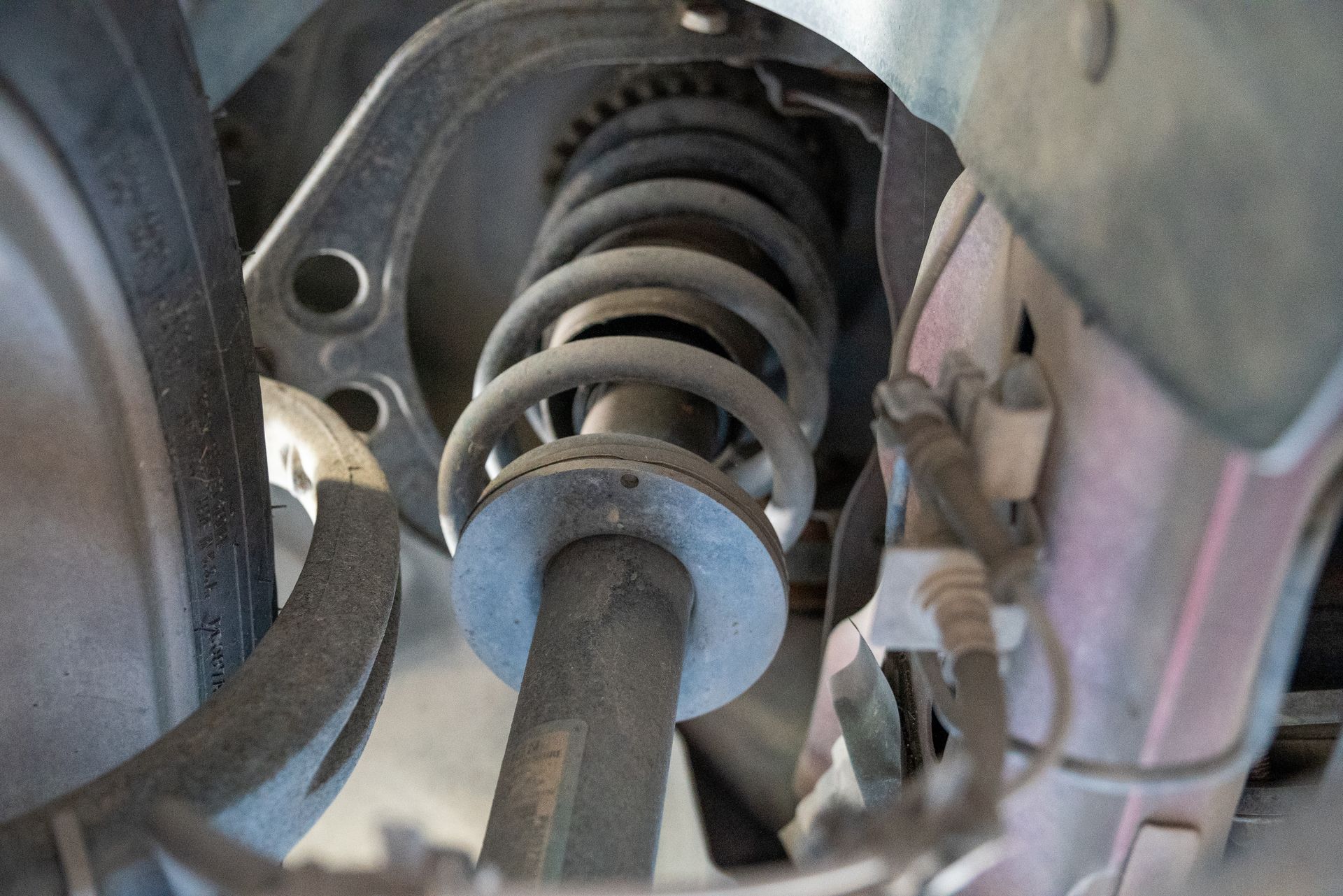
Your vehicle should not make a loud clunk each time you hit a bump. If you hear a clunking noise over bumps, there may be a worn or loose part in the suspension or steering system.
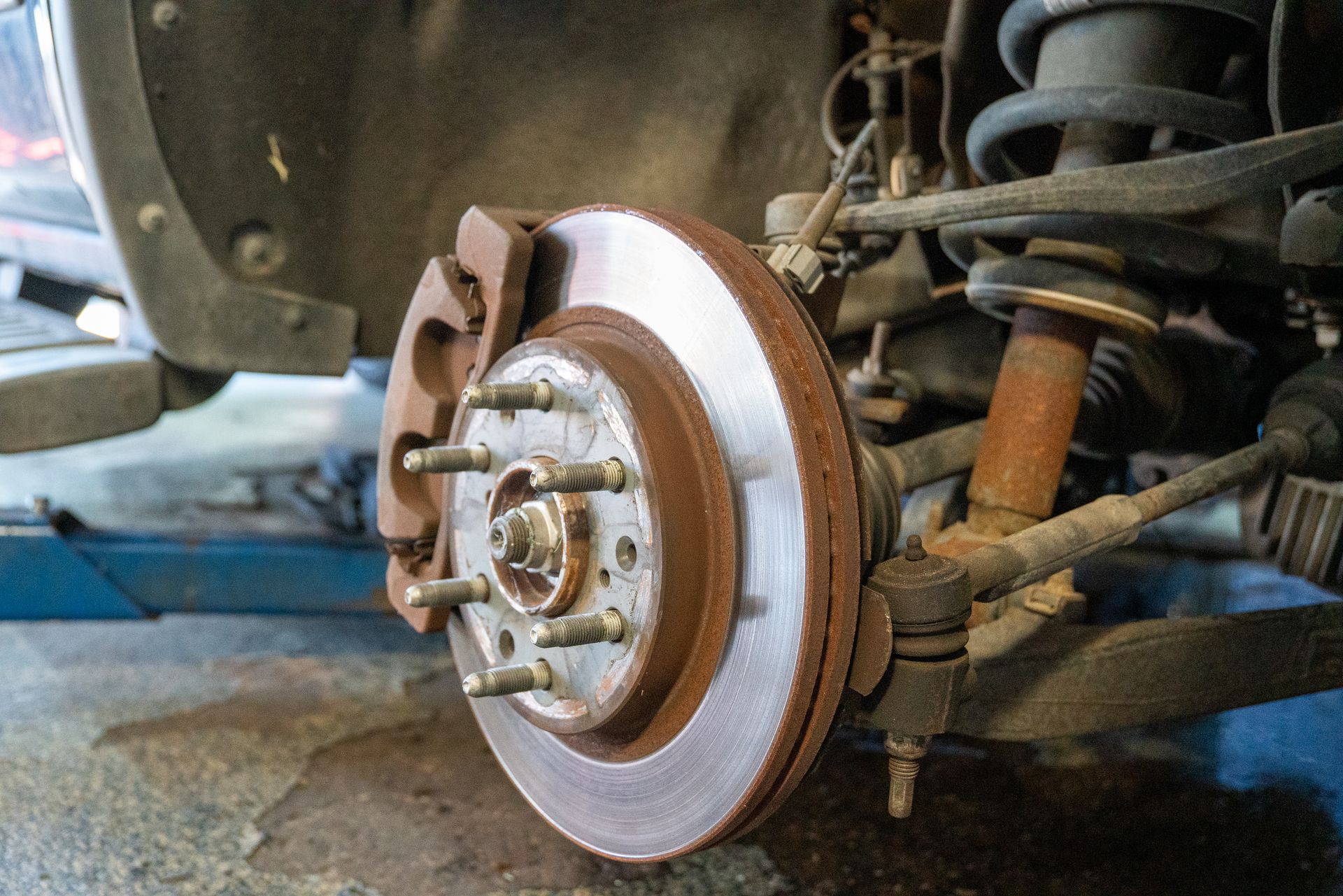
Your vehicle should stay straight when you press the brake pedal. If your car pulls left or right when braking, there may be a problem with the brakes, tires, or suspension.
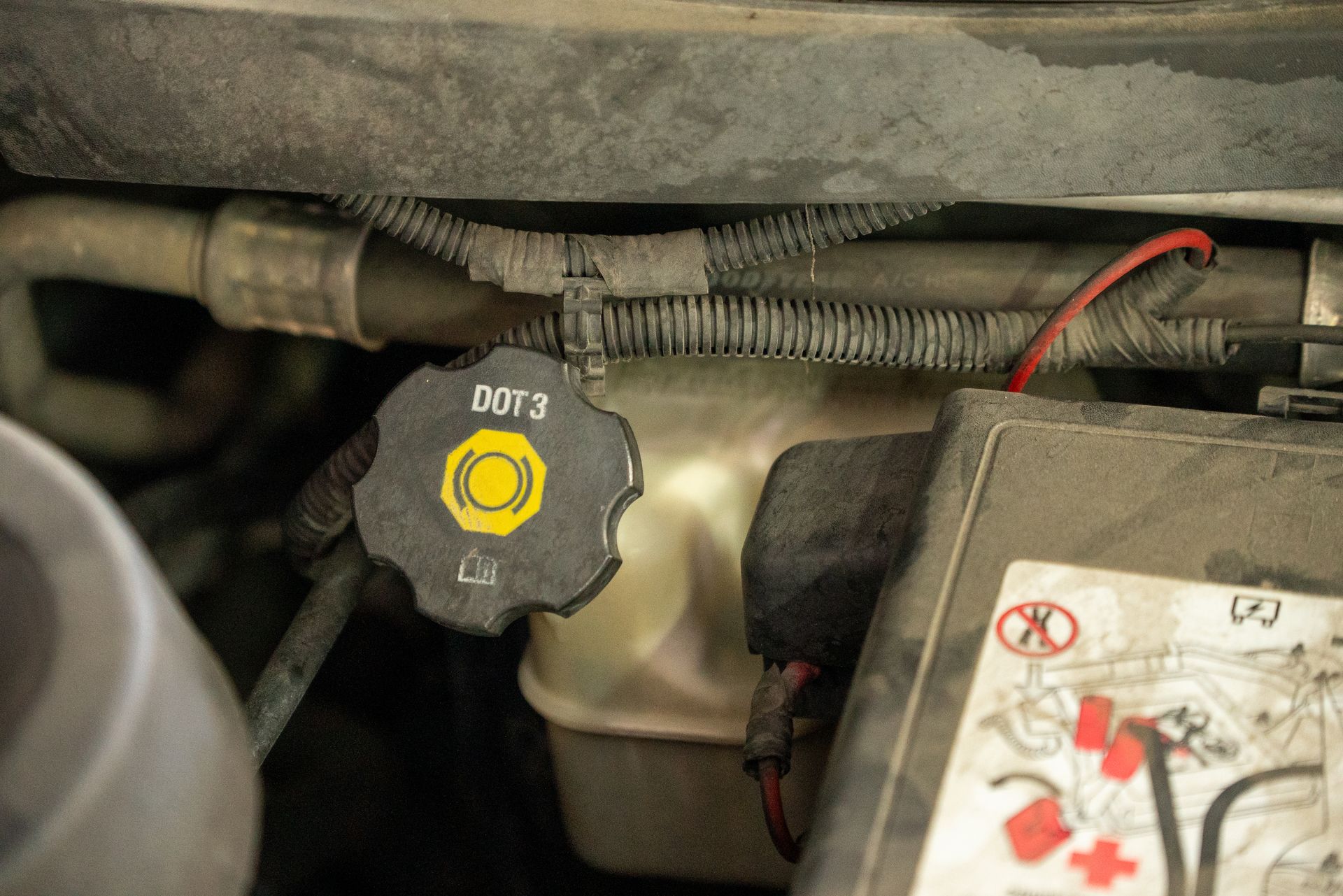
When people think about brake service, they usually think about brake pads or rotors. One part that often gets overlooked is the brake fluid.
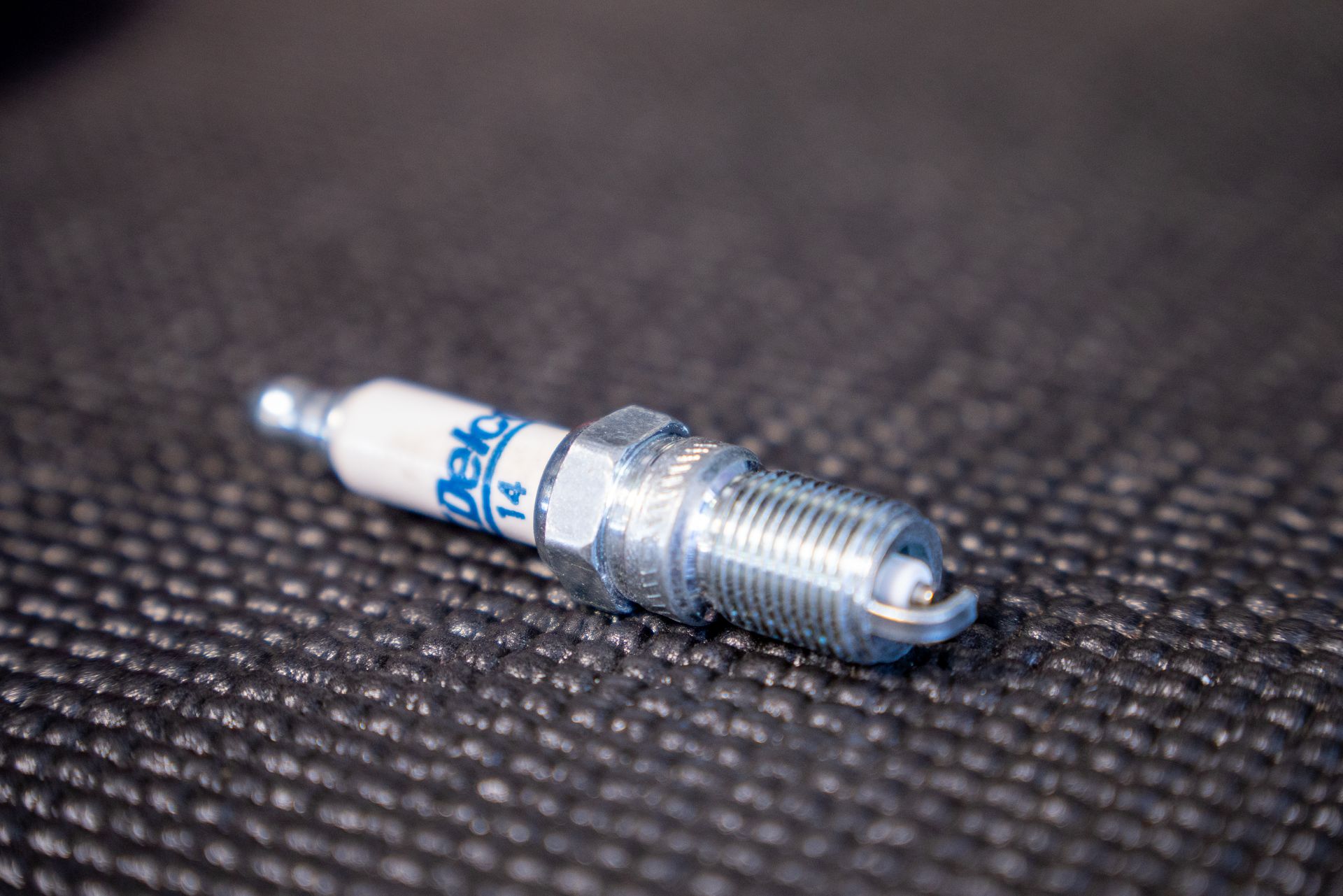
Your engine needs three things to run: air, fuel, and spark. Spark plugs provide that spark every time you start your vehicle. Even though they are small, they have a big job.
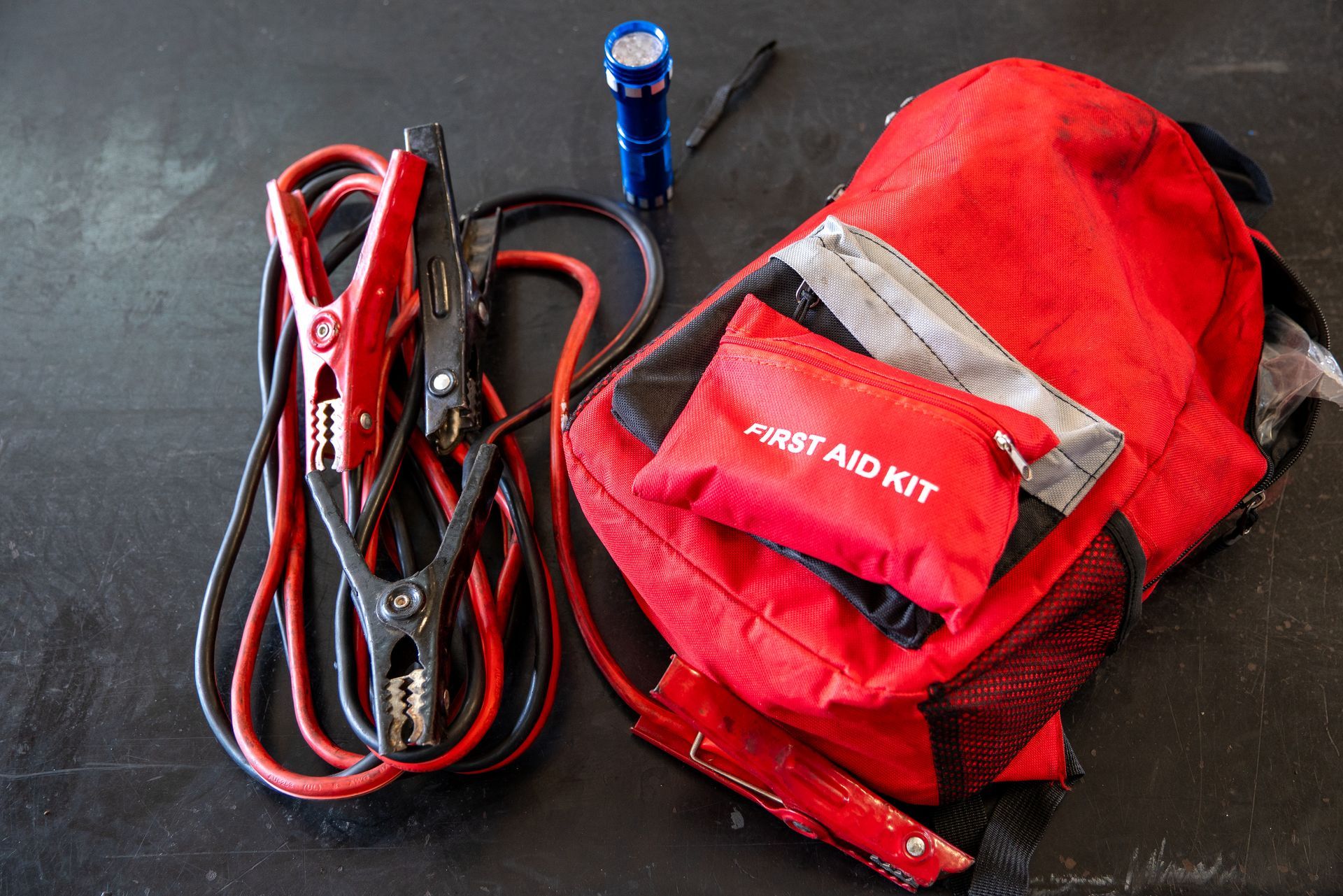
School is back, and that means your student will spend more time behind the wheel. Whether they are driving to high school, college, work, or sports practice, it's a good idea to make sure they are ready for the unexpected.