Decoding the Check Engine Light: What You Need to Know
Have you ever been driving along, minding your own business, when suddenly, the dreaded check engine light pops up on your dashboard?
It can be a stressful moment, but understanding what it means can help ease your worries.
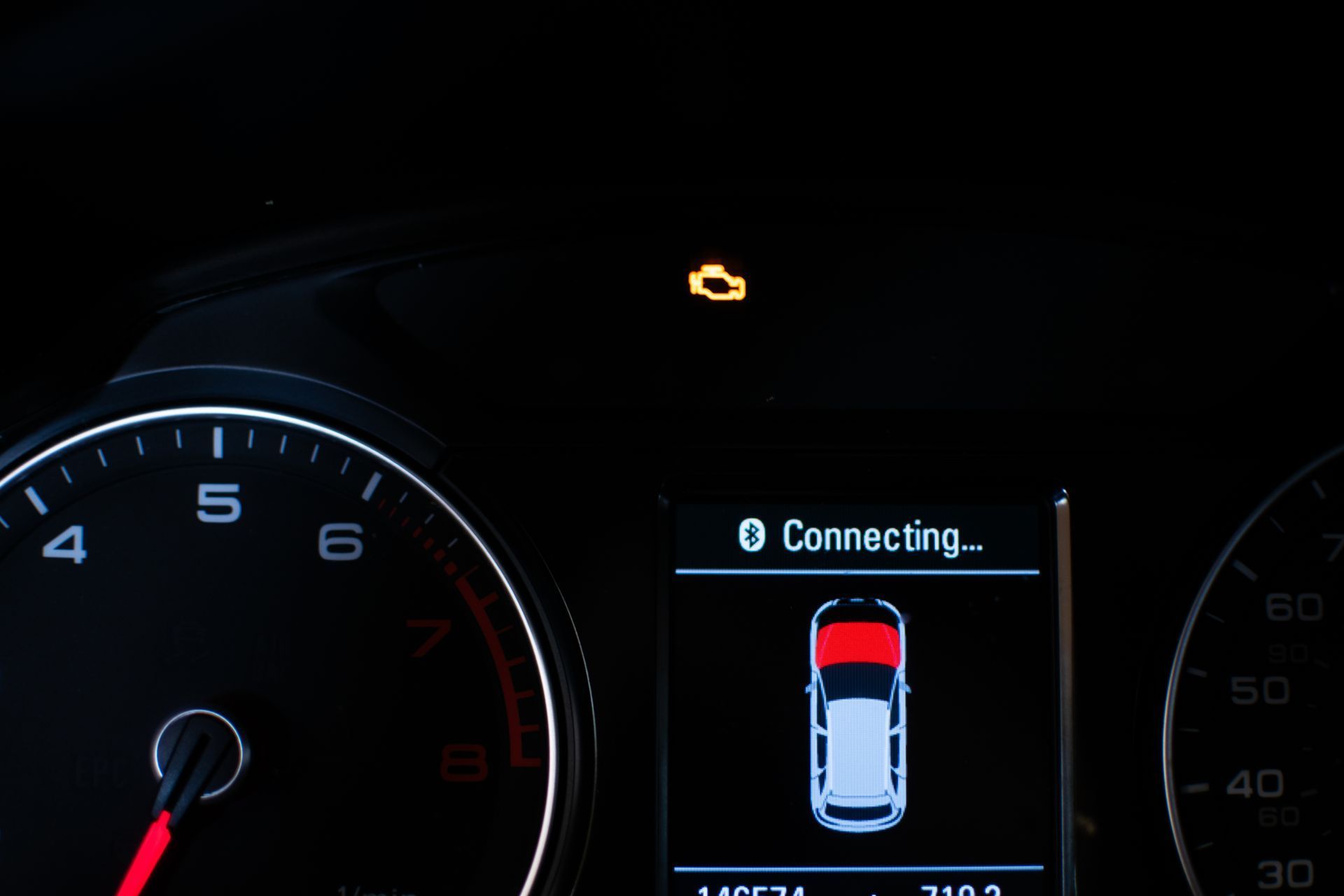
The check engine light is like your car's way of sending up a distress signal. It's telling you that something isn't quite right under the hood, and it's time to pay attention.
But what does it mean?
Well, that's where things get a little tricky. The check engine light can come on for a variety of reasons, ranging from minor issues like a loose gas cap to more serious problems like a malfunctioning sensor or engine misfire.
That's why it's important to take the check engine light seriously. Ignoring it and hoping it will go away on its own is not a good idea. In fact, driving with the check engine light on can sometimes make the problem worse and lead to more expensive repairs down the line
So, what should you do if your check engine light comes on?
The first step is not to panic. Take a deep breath and try to assess the situation. If your car seems to be running fine and there are no strange noises or smells, it's probably safe to continue driving, but you should still schedule an appointment to have your car checked out as soon as possible.
On the other hand, if the light is blinking, or your car is sputtering, shaking, or making strange noises, it's best to pull over to a safe location and turn off the engine. Continuing to drive in this condition could cause further damage to your car.
Once you've safely pulled over, give us a call at David's Automotive Repair. We'll be happy to schedule an appointment to diagnose the problem and get you back on the road as soon as possible.
Remember, the check engine light is your car's way of telling you that something needs attention. By taking it seriously and addressing the issue promptly, you can help prevent more serious problems and keep your car running smoothly for years to come.

Your Check Engine Light can come on even when your car seems to run fine .
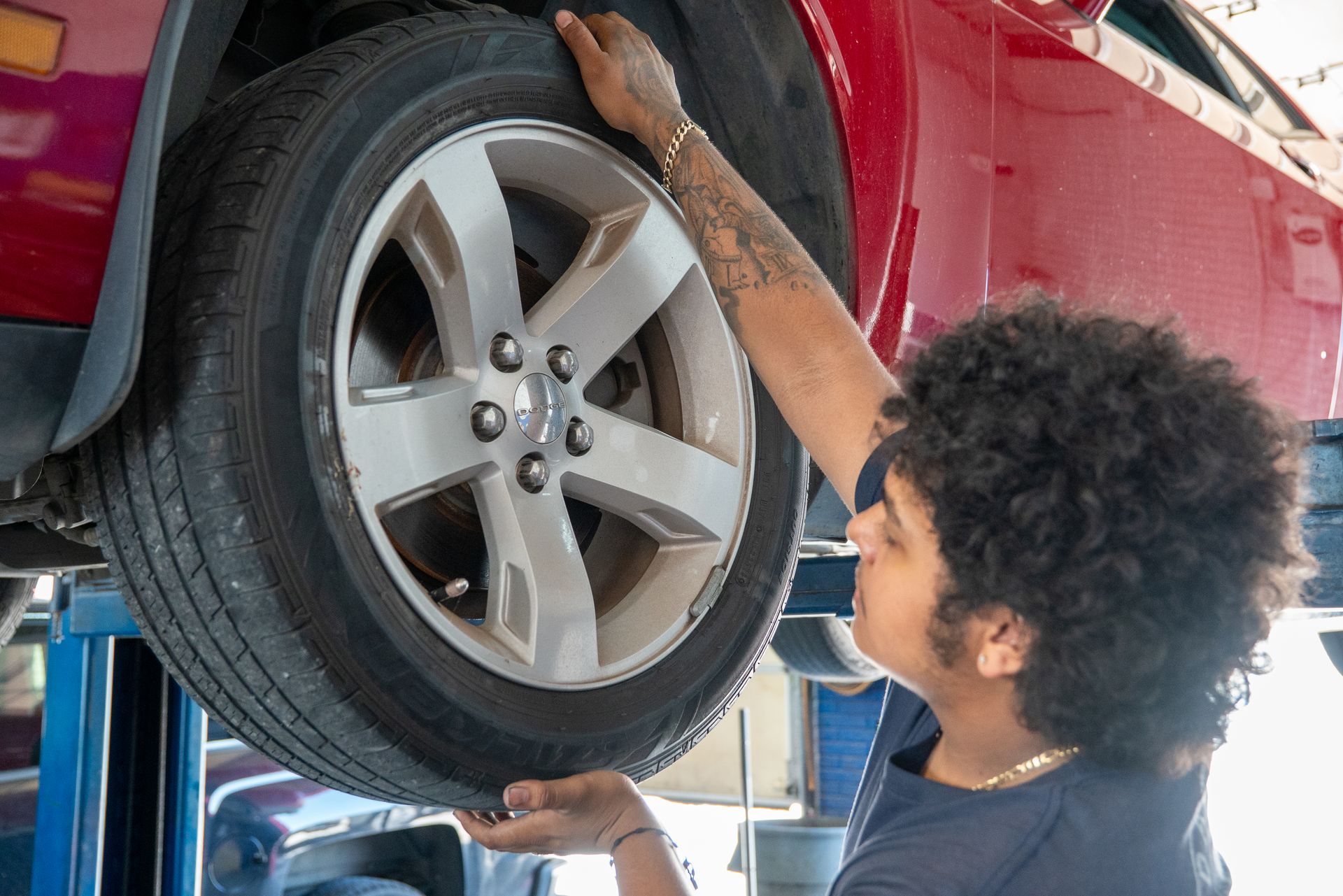
Yes. A bad wheel bearing can make a humming or growling sound that is easy to mistake for tire noise. The sound may start out quiet and get louder as you drive faster.
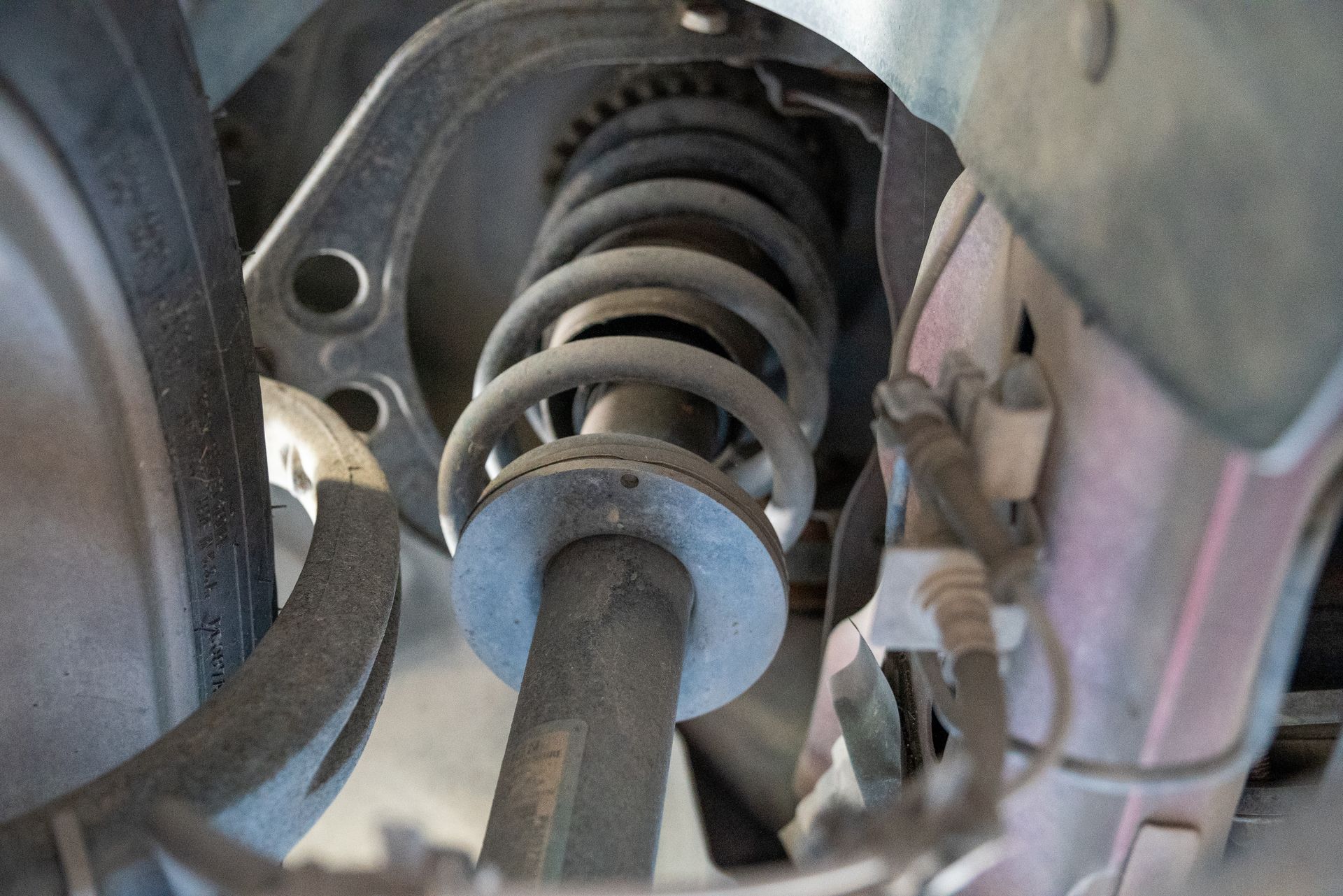
Your vehicle should not make a loud clunk each time you hit a bump. If you hear a clunking noise over bumps, there may be a worn or loose part in the suspension or steering system.
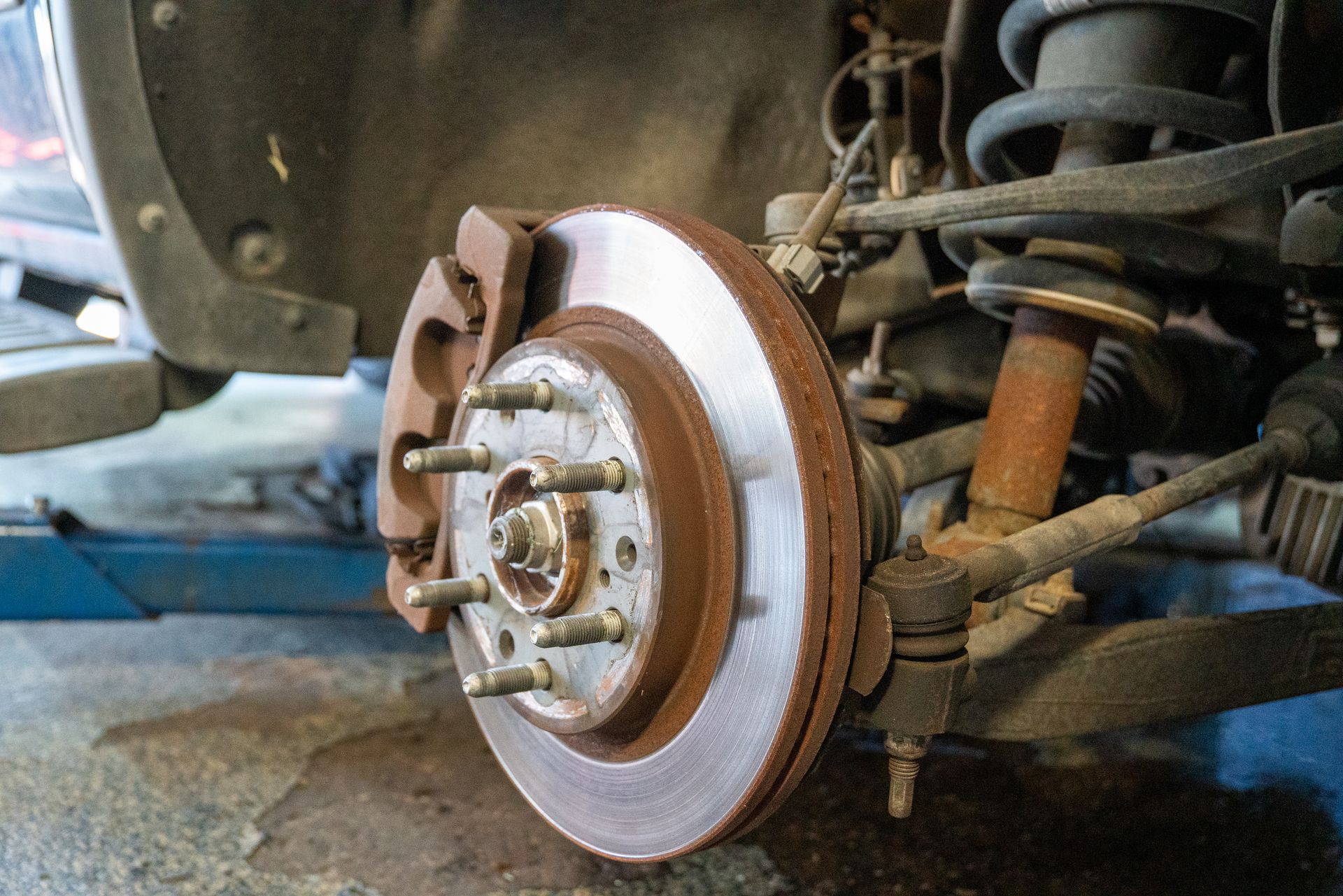
Your vehicle should stay straight when you press the brake pedal. If your car pulls left or right when braking, there may be a problem with the brakes, tires, or suspension.
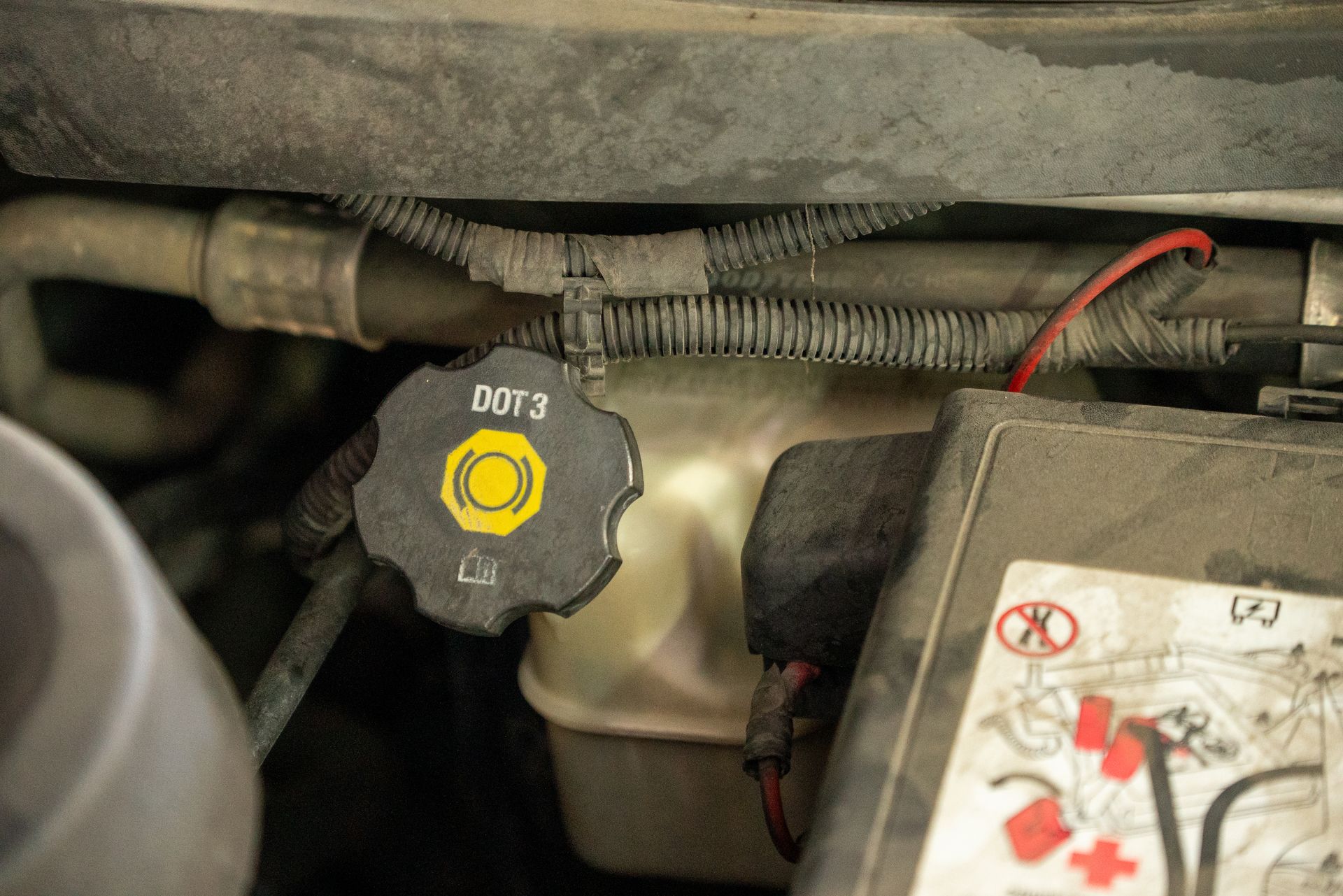
When people think about brake service, they usually think about brake pads or rotors. One part that often gets overlooked is the brake fluid.
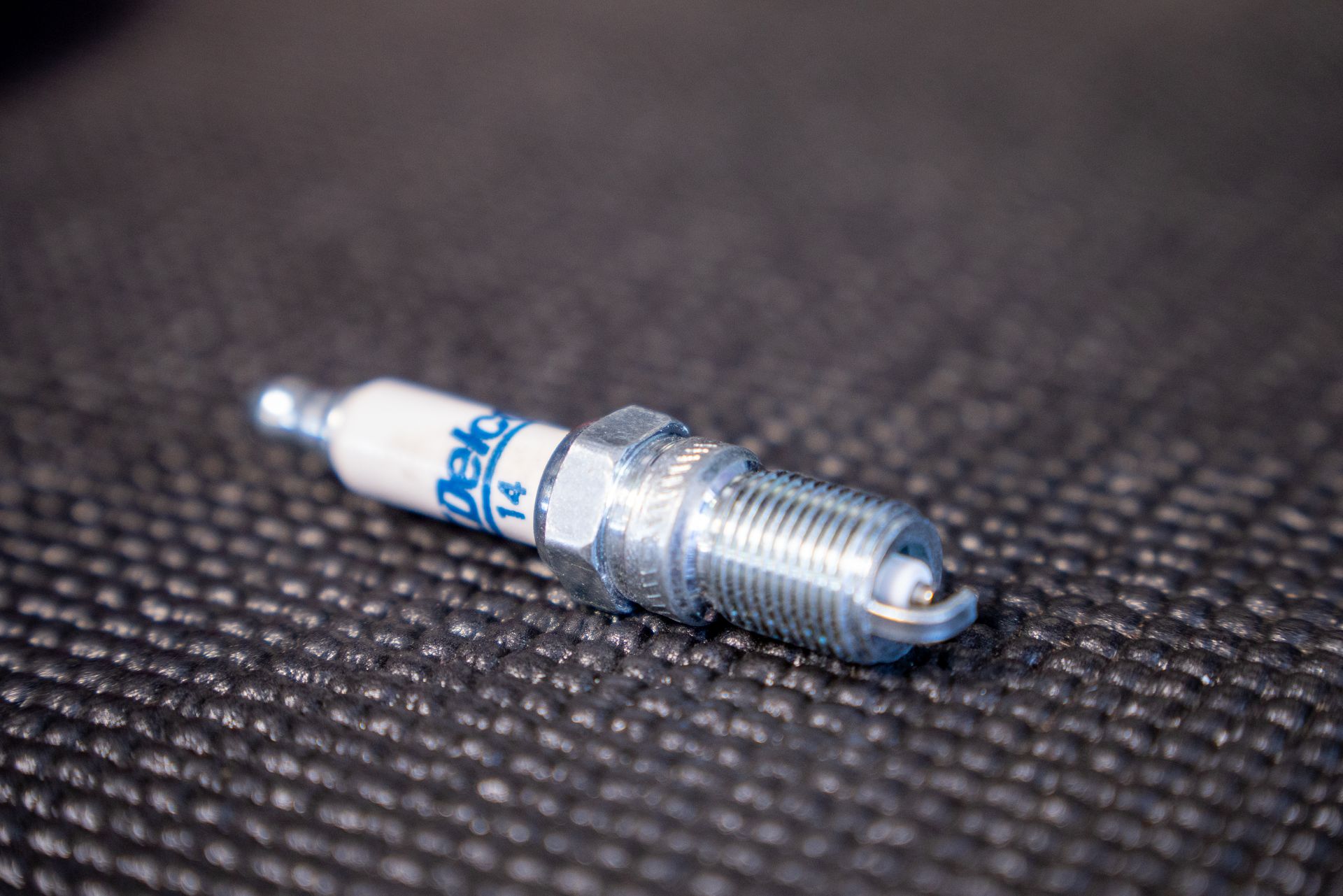
Your engine needs three things to run: air, fuel, and spark. Spark plugs provide that spark every time you start your vehicle. Even though they are small, they have a big job.

School is back, and that means your student will spend more time behind the wheel. Whether they are driving to high school, college, work, or sports practice, it's a good idea to make sure they are ready for the unexpected.
Discover expert brake repairs at David's Automotive Repair in The Colony, TX. Ensure safety and performance. Schedule an online appointment now!
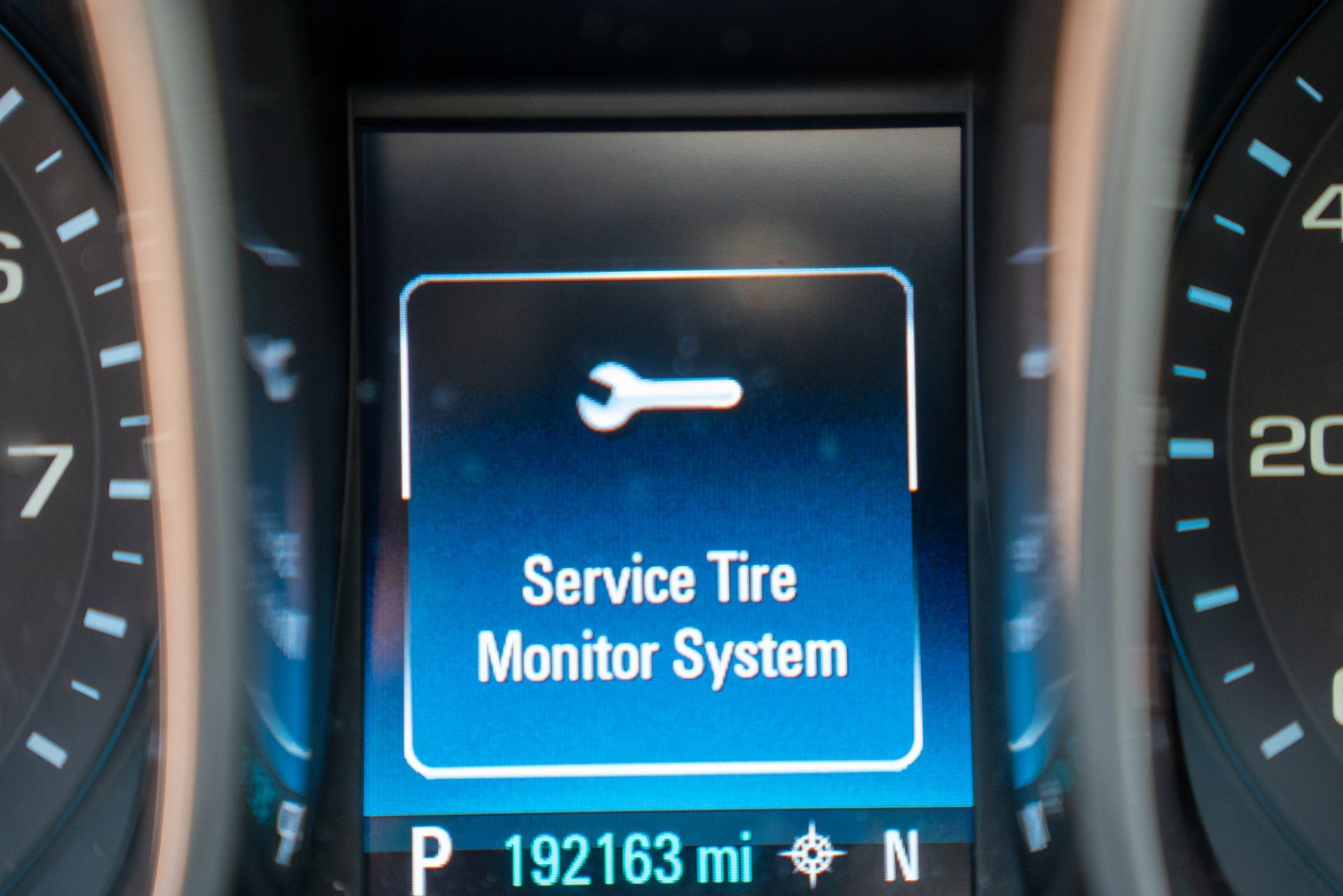
You hand your teen the keys and remind them to drive safely. A few days later, they call and say, "A light came on, but the car still drives fine."
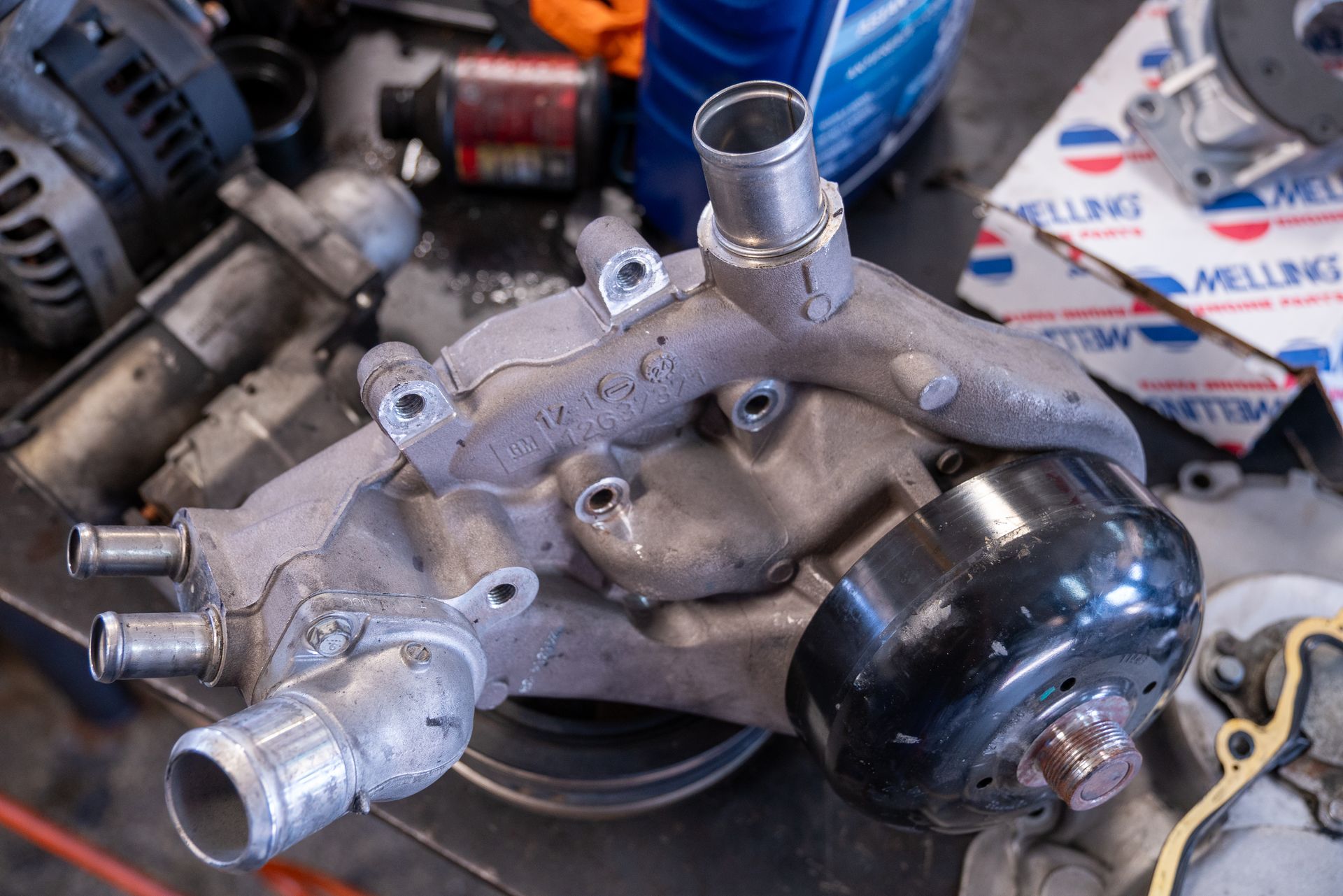
Few things get your attention faster than seeing the temperature gauge climb. If your engine starts getting too hot, don't ignore it. An overheating engine can turn a simple repair into a very expensive one.