
Boost Your Engine's Performance: The Importance of the Mass Airflow Sensor
The Mass Airflow (MAF) sensor is a key player in your car’s engine system.
It measures how much air is coming into the engine and helps the engine control unit decide how much fuel to use. This balance is for getting the best performance and fuel efficiency from your vehicle, which can save you money at the pump.

So how does the MAF sensor work? If it’s a hot wire type, a heated wire cools down as air passes over it. The sensor measures how much energy is needed to keep that wire hot, which tells it the air amount. A vane style MAF sensor uses a small flap that opens with airflow. The more air, the further the flap opens, sending a signal to the engine control unit.
When the MAF sensor isn’t working right, you might notice your car stalling, struggling to accelerate, or even triggering the check engine light. A dirty or damaged sensor can cause your engine to use more fuel than necessary, leading to higher gas expenses.
Keeping your MAF sensor clean and properly maintained is key to ensuring your car runs well and efficiently. Regular check-ups and good air filters can help extend its life, saving you money on repairs and fuel. If you think your Mass Airflow sensor needs attention,
reach out
to us at David's Automotive Repair. Our team is ready to help you keep your car in top shape!
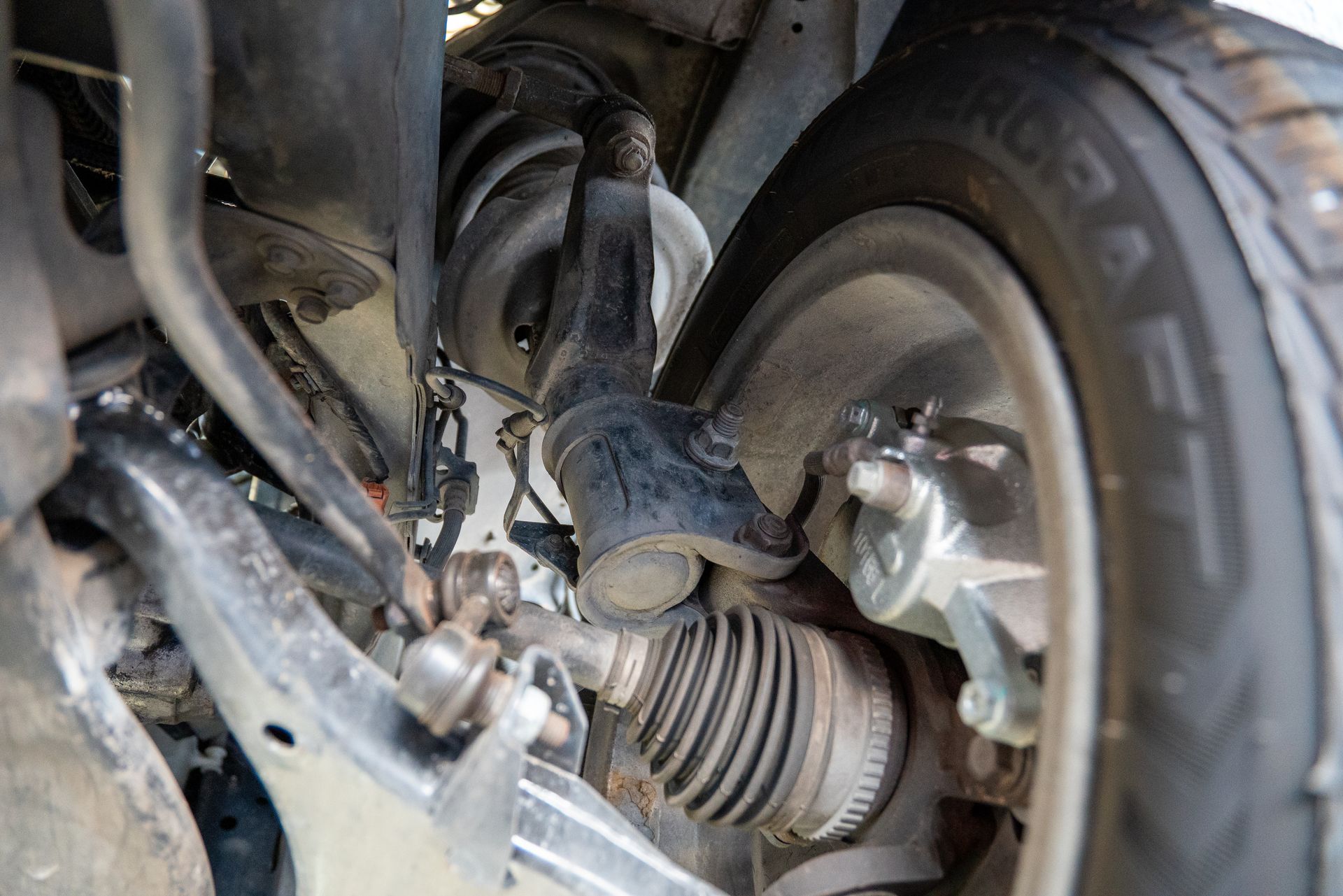
If your steering feels loose or your car wanders on the road, there may be wear in the steering or suspension system. You may feel like you have to keep moving the steering wheel just to stay in your lane.
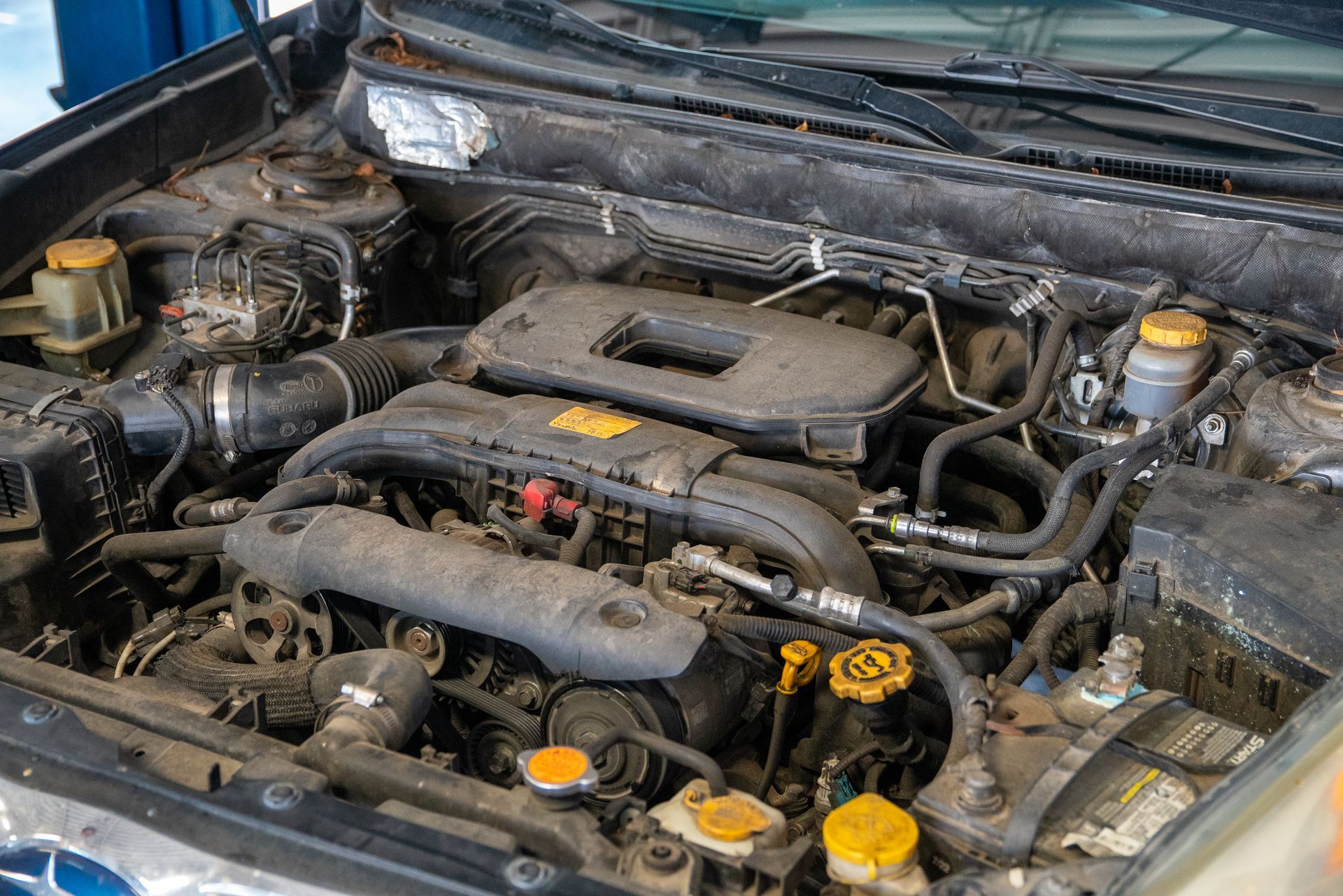
If your car stalls at stoplights but runs while you are driving, the engine may be having trouble staying running at idle. The cause could be an air, fuel, ignition, or electrical problem.
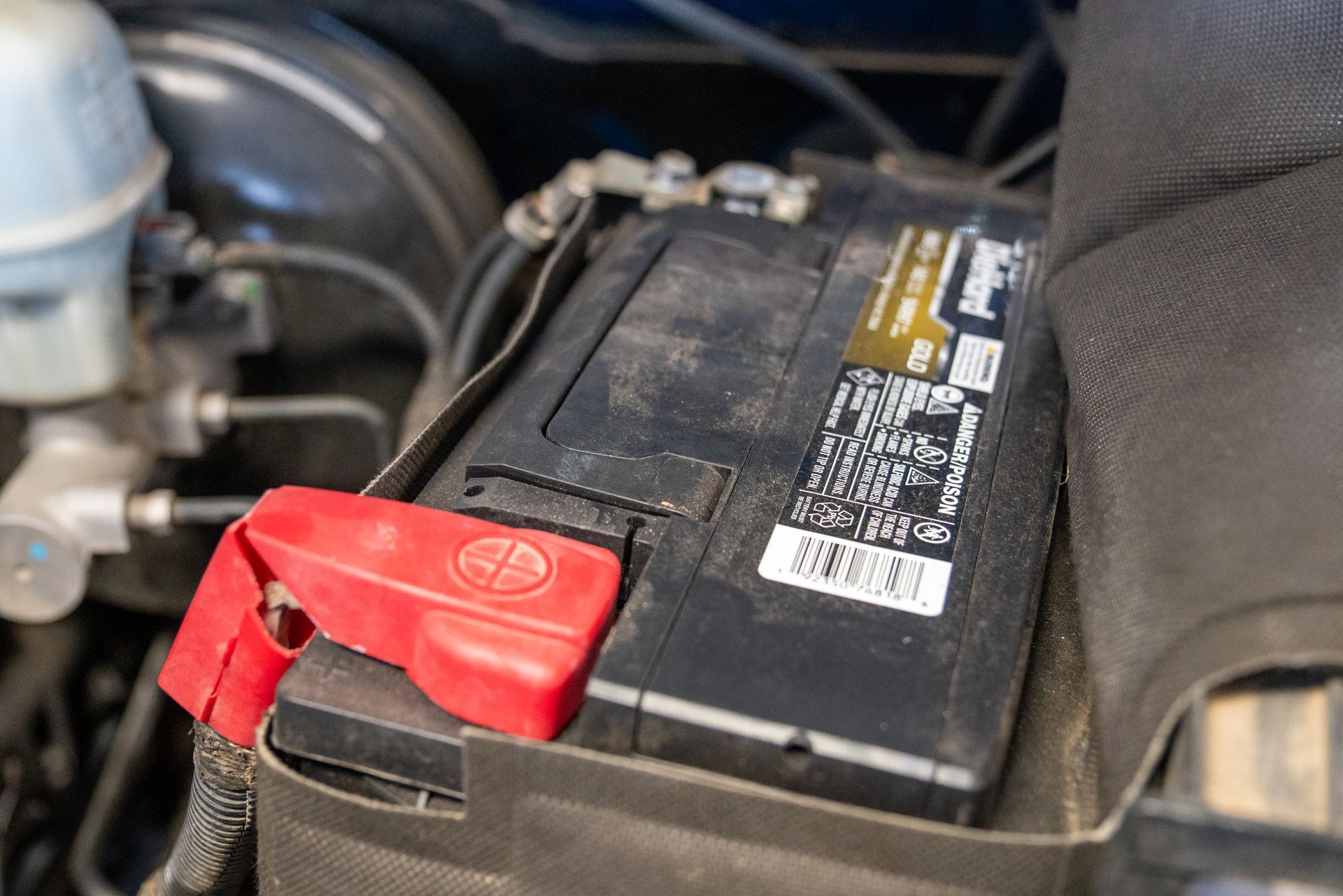
Yes. A weak battery can cause warning lights, slow starting, flickering lights, and other strange electrical problems. Modern vehicles use many computers, and those computers need steady voltage to work the right way.
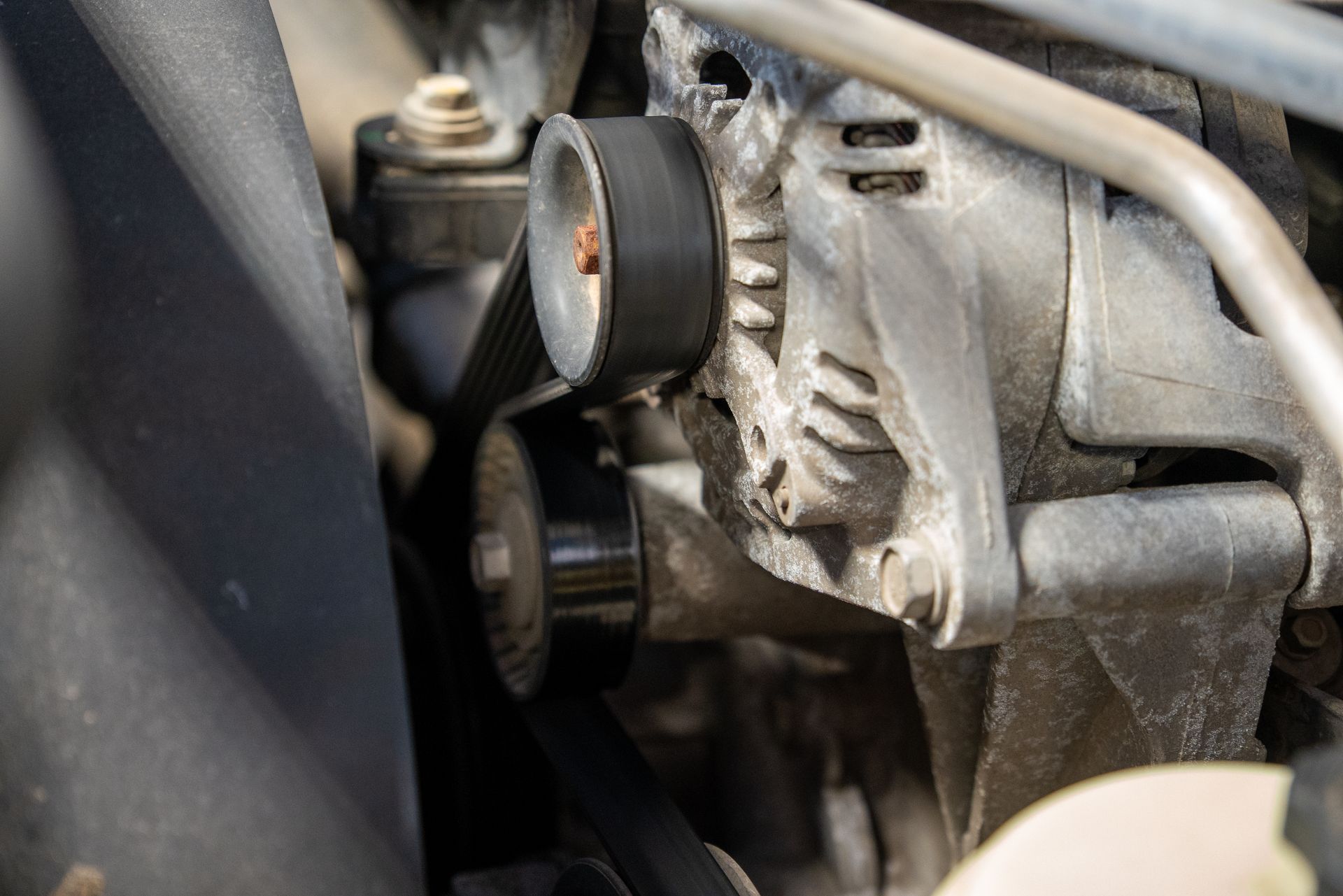
If your car squeals when you first start it, the noise may be coming from the serpentine belt or one of the parts that keeps the belt moving. The sound may last only a few seconds or continue until the engine warms up.
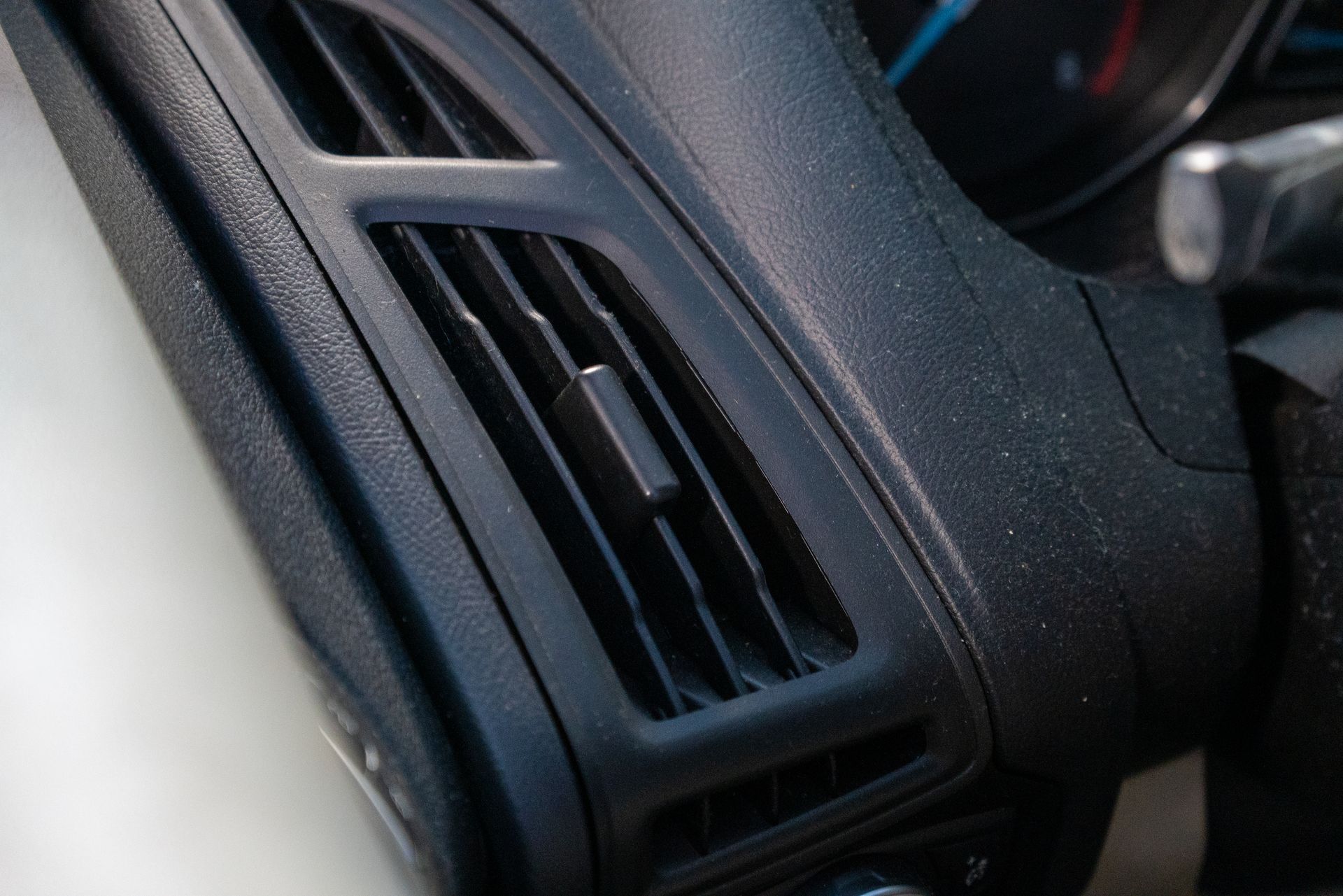
If your heater blows warm air on one side and cold air on the other, the HVAC system may not be directing air the right way. This is common on vehicles with dual-zone climate control, where the driver and passenger can choose different temperatures.
Discover the importance of alignments at David's Automotive Repair in The Colony, TX. Optimize your vehicle's performance. Call us today!
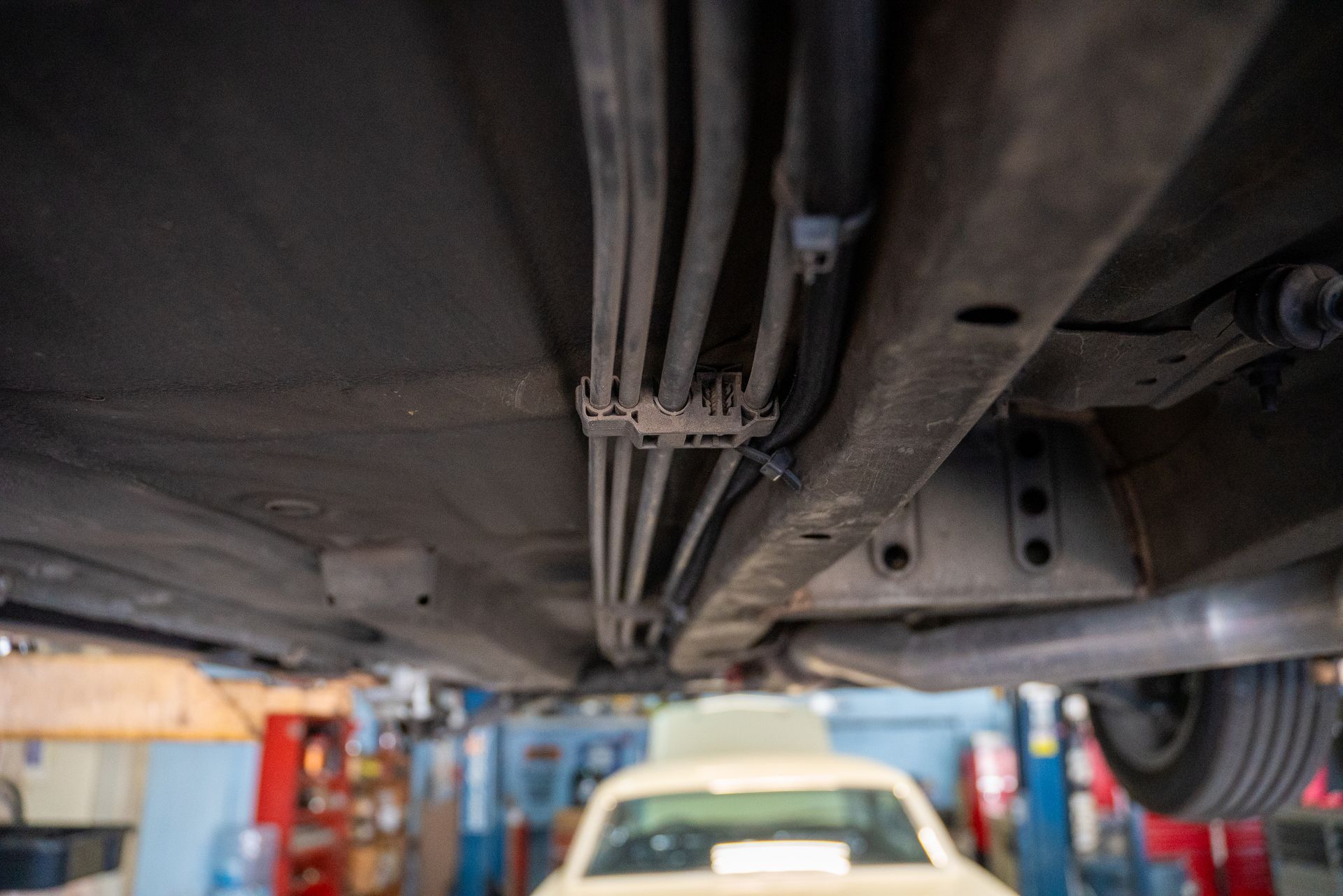
If your car smells like gas, take the odor seriously. A fuel smell can come from a fuel leak, EVAP system problem, loose gas cap, or another issue that lets fuel or fuel vapor escape.

If your headlights dim when you stop at a red light, the charging system may need attention. You may notice the lights get brighter again when you press the gas or start moving.
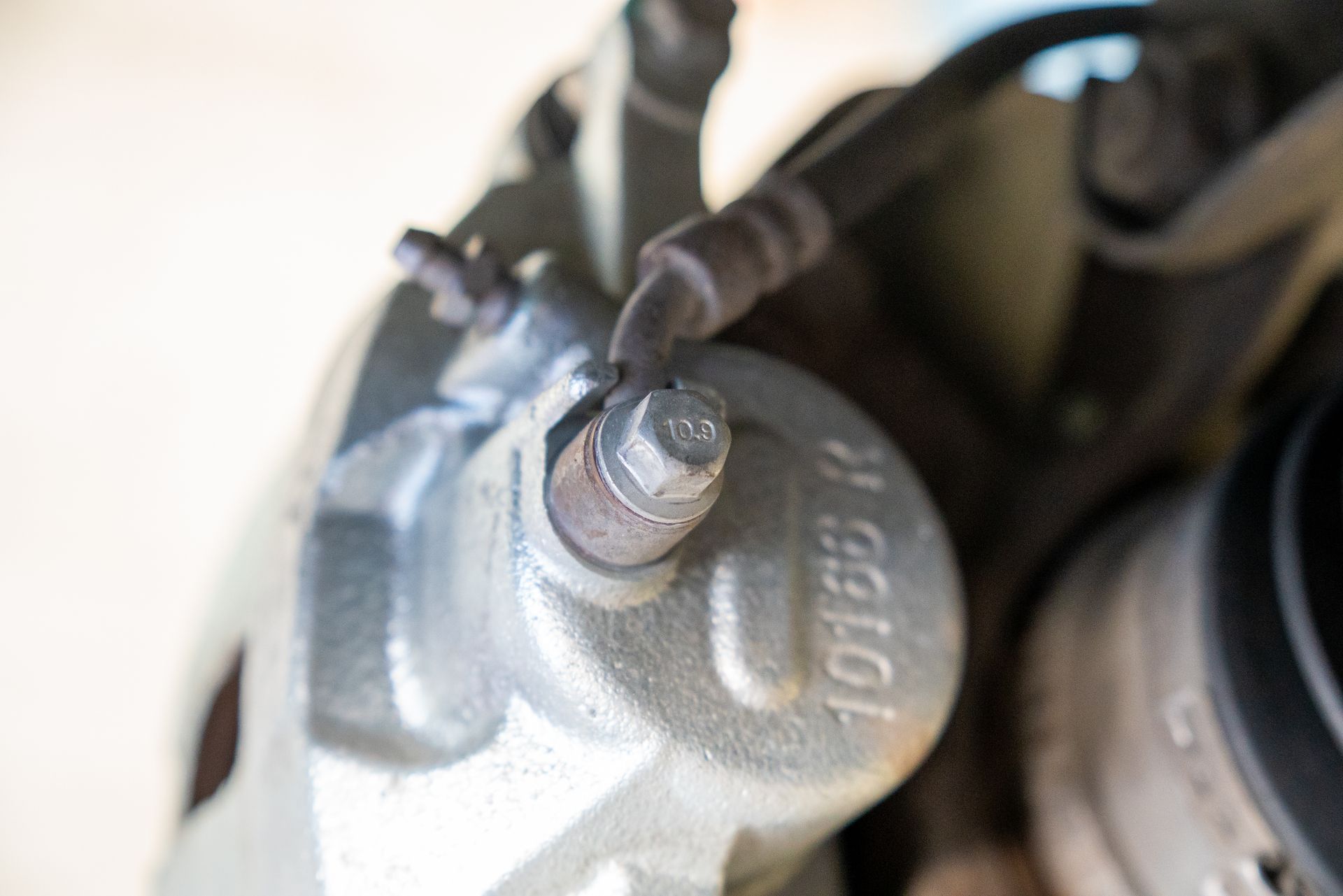
A soft or spongy brake pedal can mean there is a problem in the brake system. The pedal may feel like it sinks too far, feels weak, or does not give you the firm feel you expect when stopping.
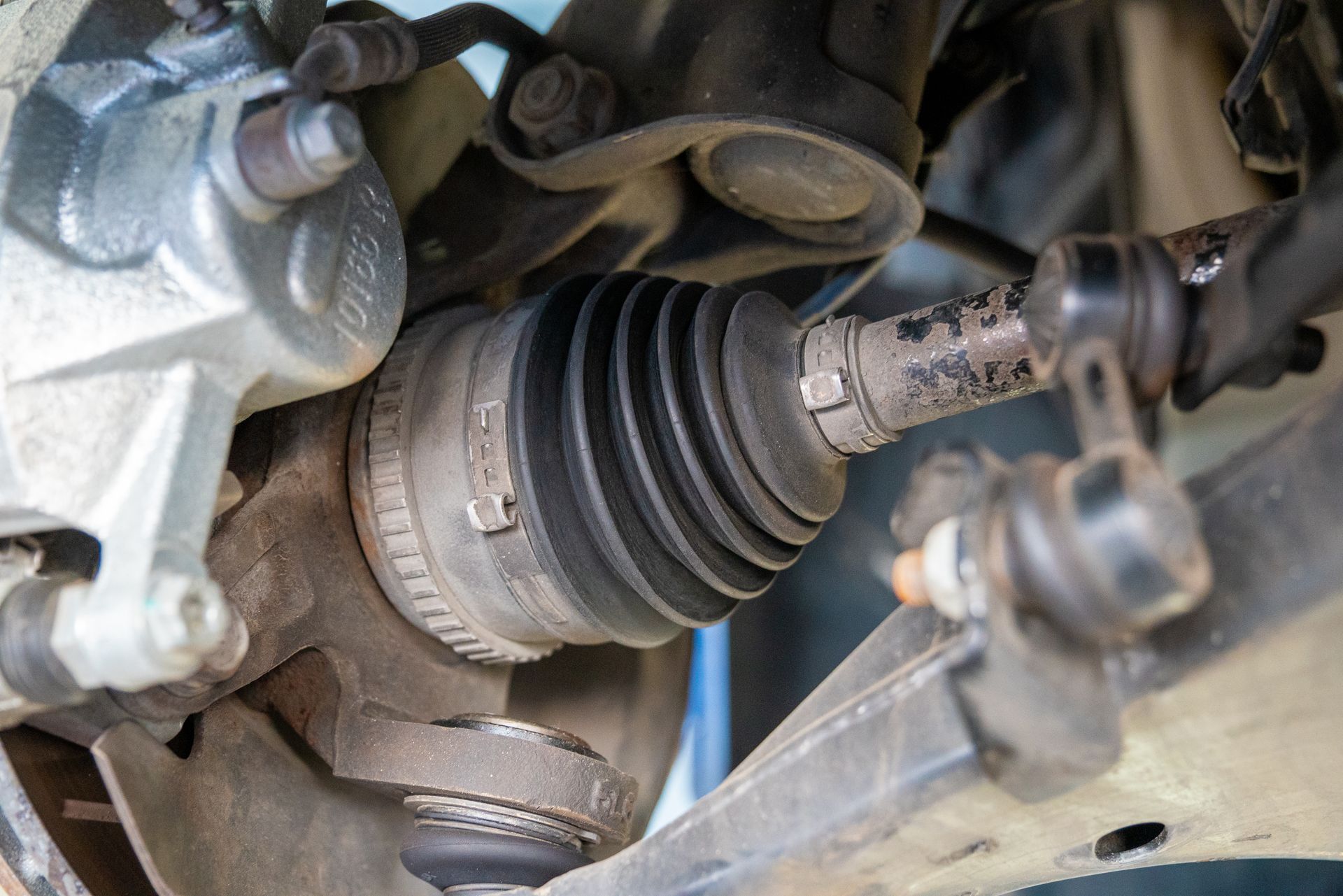
If you hear a clicking sound when you turn, a worn CV joint is one of the most common causes. The noise may be louder during a sharp turn, such as when you pull into a parking space or make a U-turn.