AC Compressor Problems & AC Leaks: What You Need to Know
When your car’s AC stops blowing cold air, it’s usually more than just an inconvenience—especially in The Colony, TX where summer heat can be intense. Two of the most common causes are AC compressor problems and refrigerant leaks.
Let’s break it down in a simple way.
What the AC Compressor Does
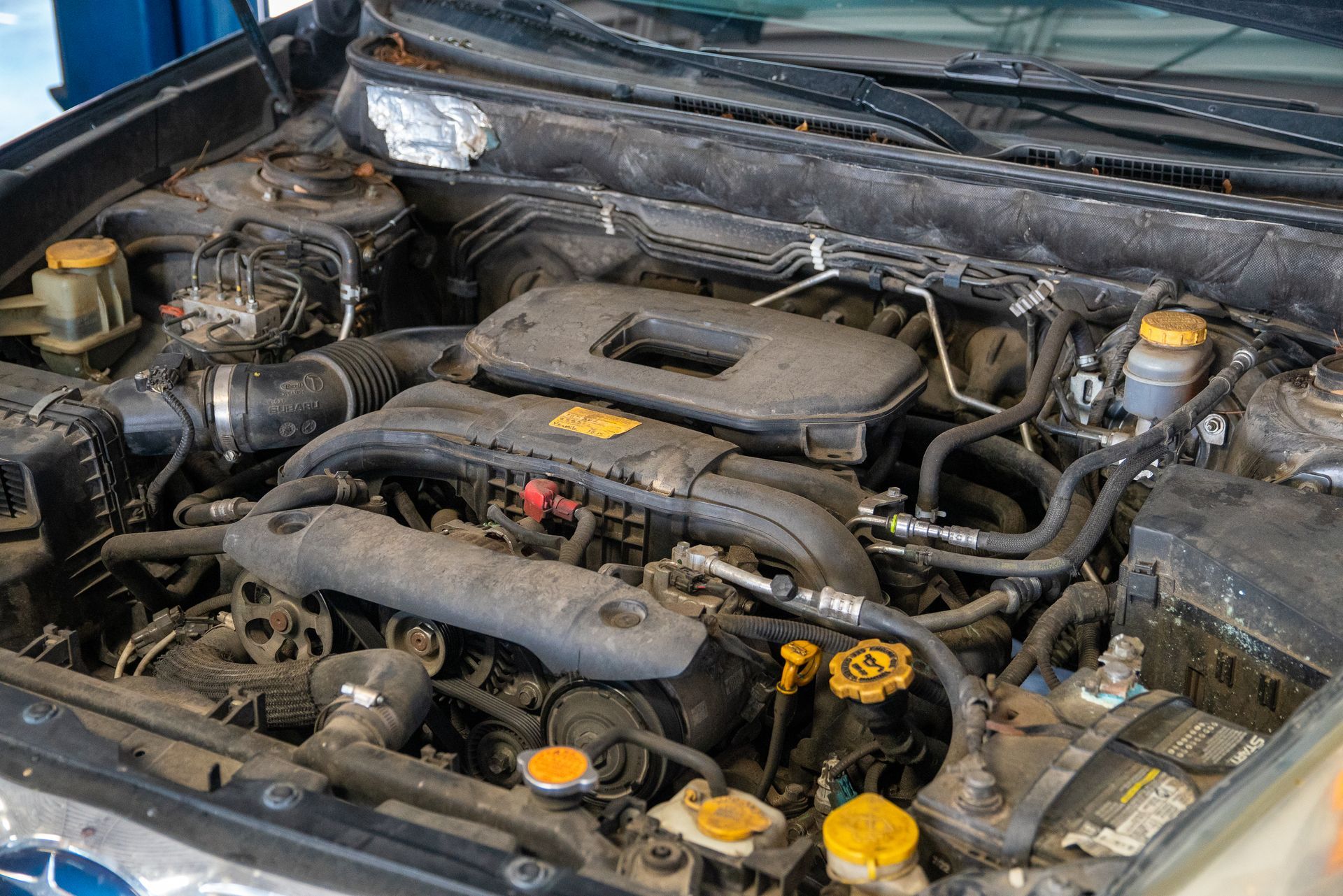
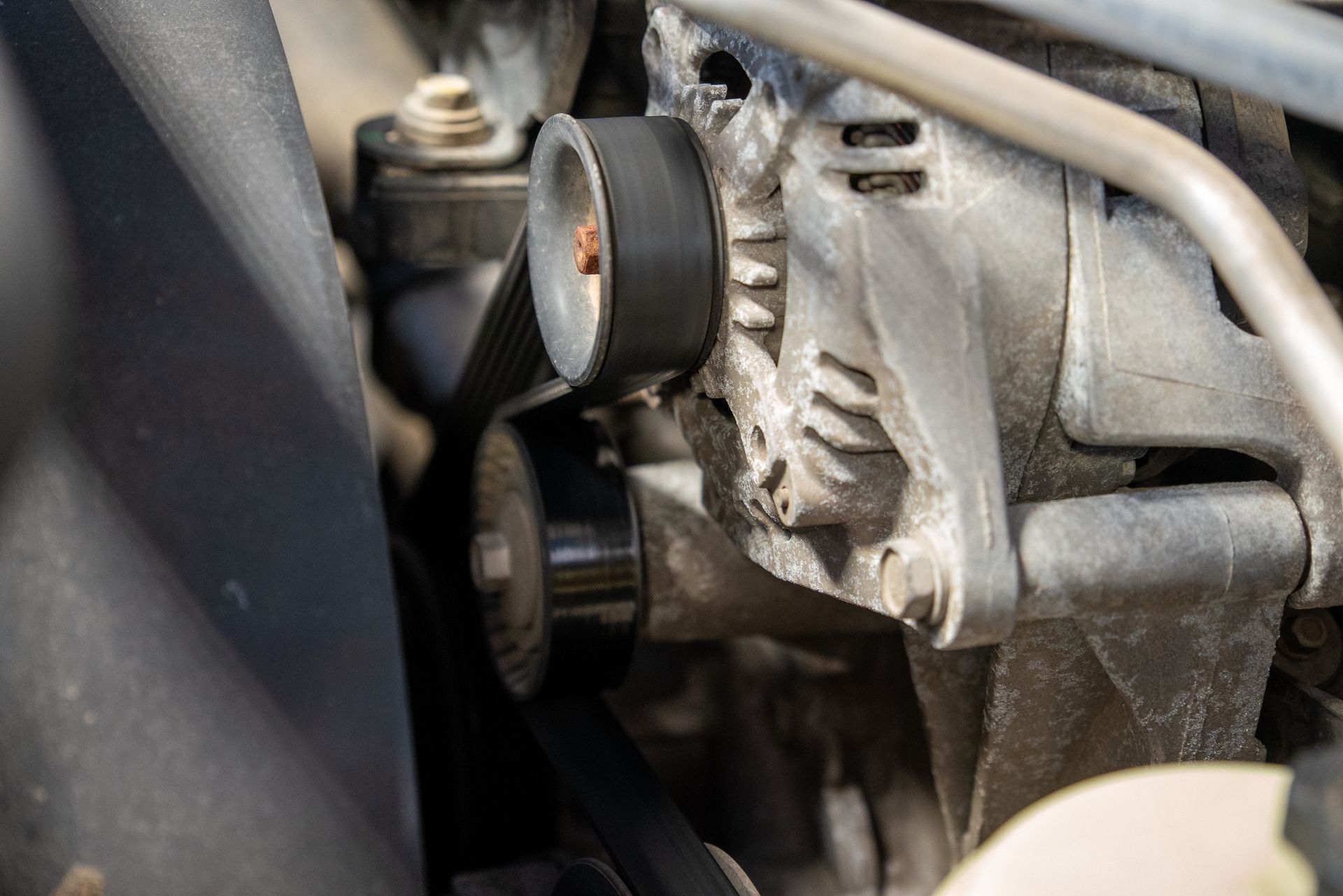
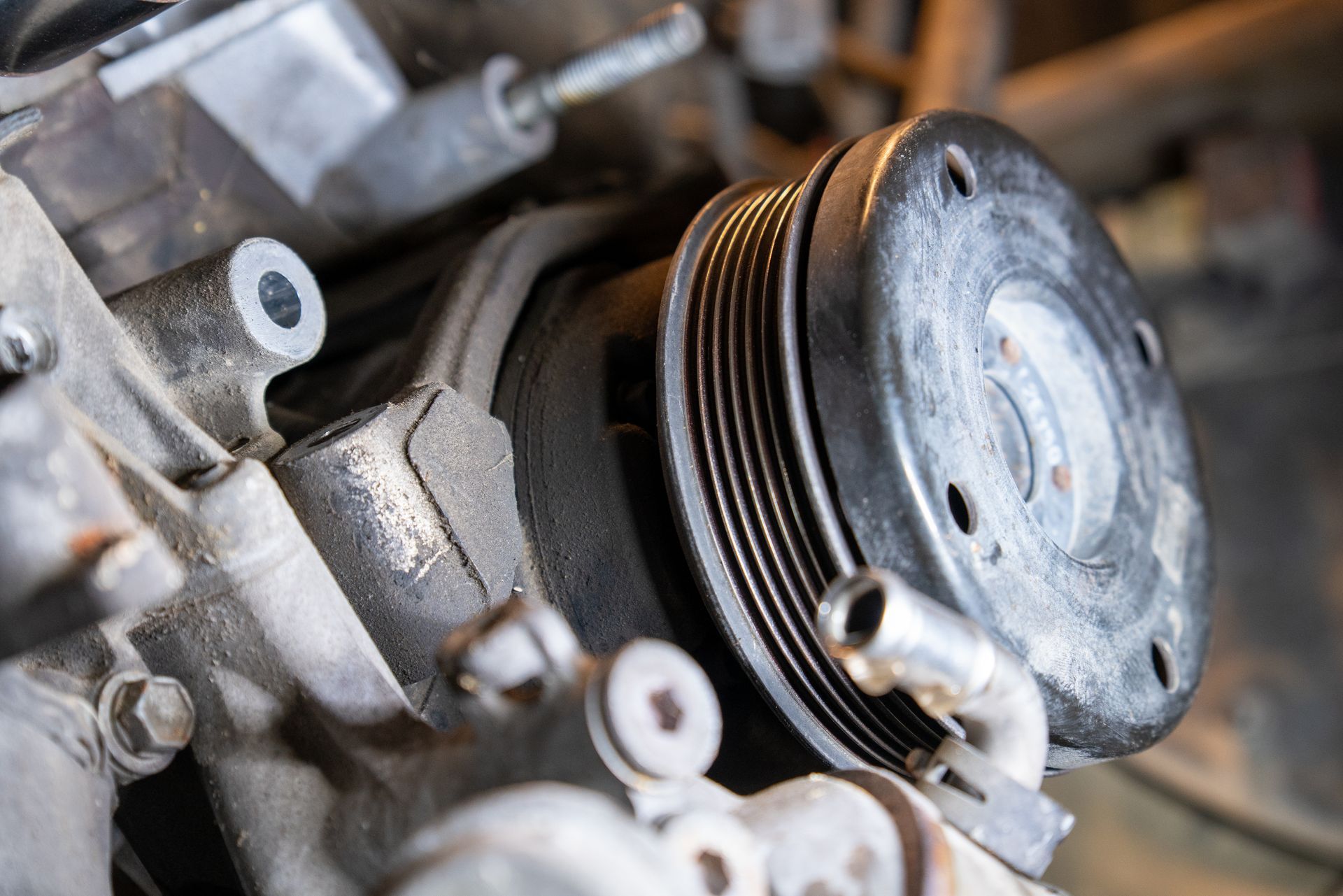
The AC compressor is the heart of your vehicle’s air conditioning system.
It takes refrigerant and compresses it, allowing it to circulate through the system and remove heat from inside your vehicle. Without the compressor working properly, your AC won’t be able to produce cold air.
What Causes AC Compressor Problems
Over time, compressors can wear out or fail due to:
- Lack of use (especially during cooler months)
- Low refrigerant levels
- Internal wear and tear
- Electrical issues
When the compressor starts to fail, you may notice weak airflow, warm air, or unusual noises when the AC is on.
How AC Leaks Start
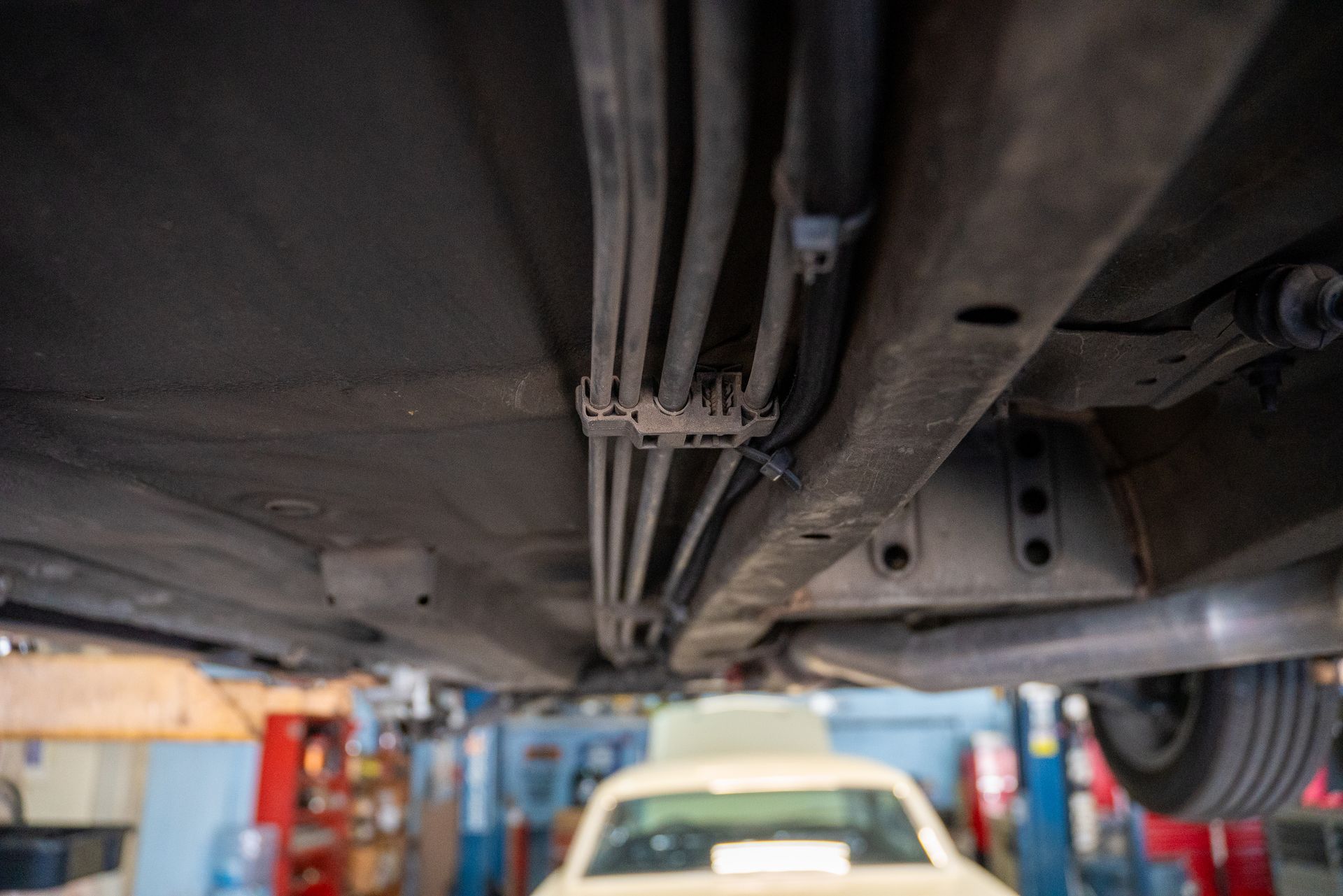
AC systems are sealed, but over time, small leaks can develop in hoses, seals, or components.
These leaks allow refrigerant to escape, which reduces your system’s ability to cool properly. Even a small leak can make a big difference in performance.
Signs of an AC Leak
Common signs include:
- AC blowing warm or slightly cool air
- AC performance getting worse over time
- Visible oil or residue around AC components
- Hissing sounds when the system is running
If left unchecked, a leak can eventually lead to full system failure.
Why These Issues Matter
A low refrigerant level caused by a leak can put extra strain on your AC compressor. Over time, this can cause the compressor to fail completely—turning a smaller repair into a much more expensive one.
That’s why it’s important to address AC issues early.
Save Money with Early Repairs
Fixing a small AC leak or servicing your system early can help prevent major compressor damage and keep repair costs lower.
Schedule Your AC Inspection Today
If your AC isn’t keeping up with the Texas heat, don’t wait.
Call David’s Automotive Repair at 972-625-1836 or schedule your reservation online in The Colony, TX today.
Stay cool, drive comfortably, and avoid costly AC repairs this summer.